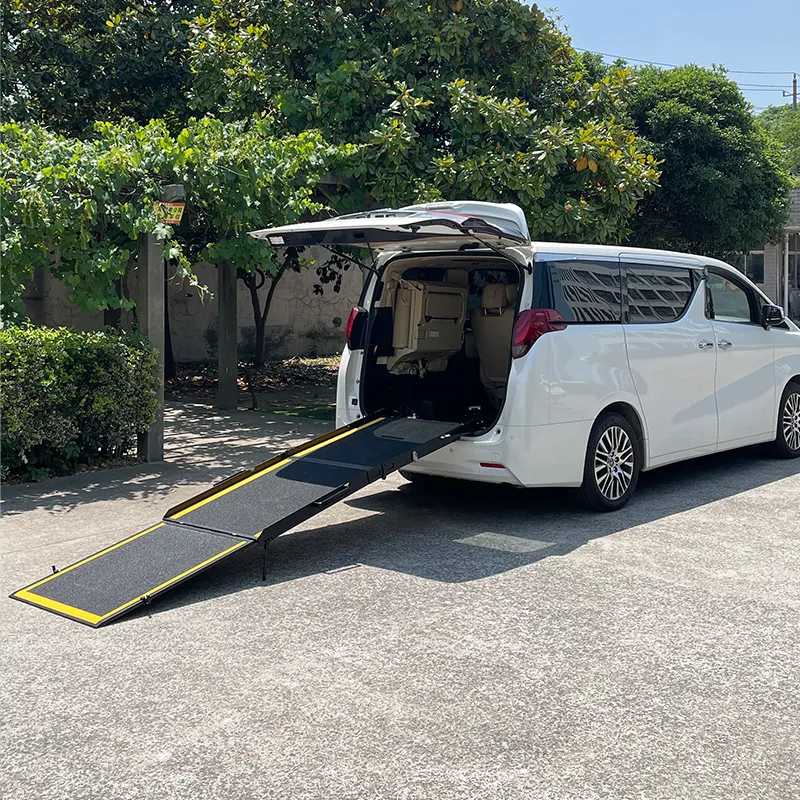
Determining the long-term dependability of a commercial or personal wheelchair accessible van requires evaluating conversion engineering standards, entry ramp cycle fatigue, and integrated restraint compatibility. A poorly modified vehicle can suff...
VIEW MORE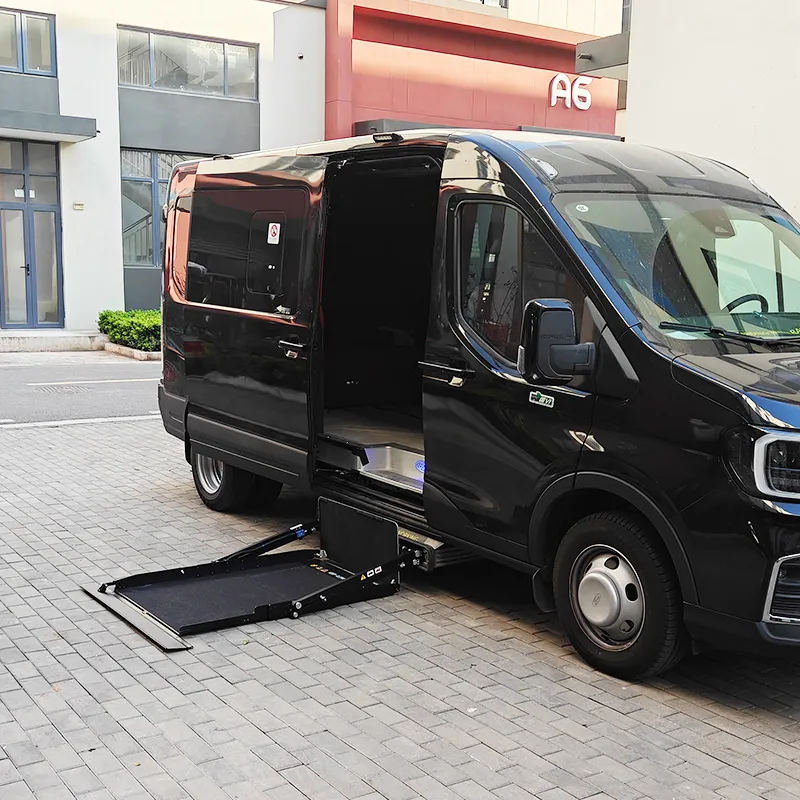
Selecting or engineering a commercial wheelchair accessible van requires moving beyond basic convenience adaptations to evaluate structural crashworthiness and dynamic stability. Modifying a factory passenger chassis to create a wheelchair accessib...
VIEW MORE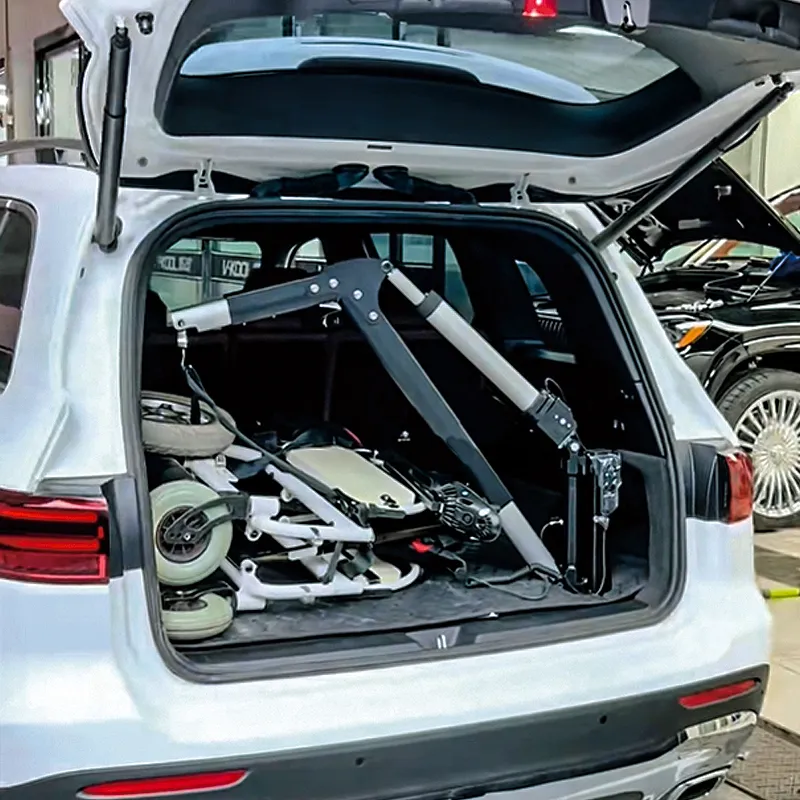
Acquiring a purpose-built wheelchair van addresses fundamental accessibility hurdles, converting complex transportation challenges into reliable personal mobility. Standard passenger vehicles lack lower entry points, reinforced floor channels, and ...
VIEW MORE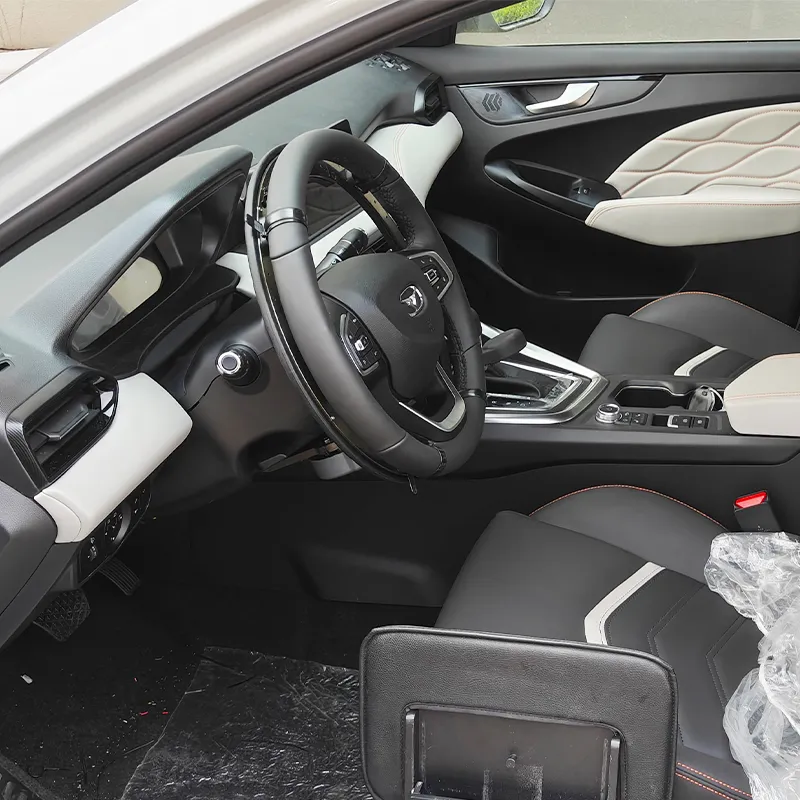
Adapting motor vehicles with innovative driving aids transforms personal transportation from a physical barrier into an accessible, empowering experience. For individuals with reduced mobility, standard foot pedals and steering wheels require upper...
VIEW MORE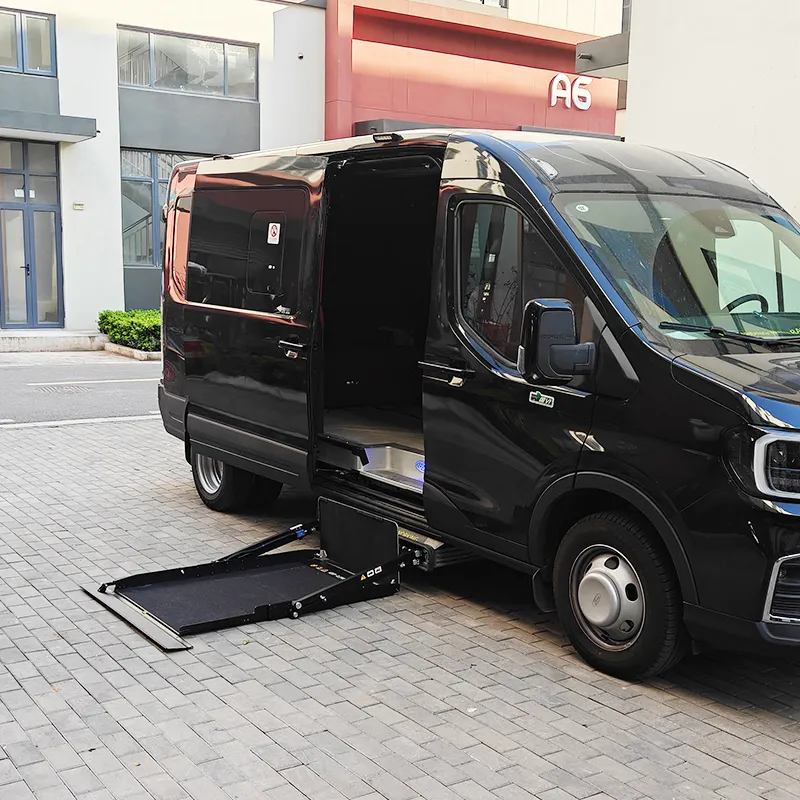
Dynamic Crash Dynamics and Securement Protocols for Wheelchair Accessible Vehicles When configuring a wheelchair accessible vehicle, relying on standard factory-installed seatbelts or non-rated mobility equipment introduces catastrophic biomechan...
VIEW MORE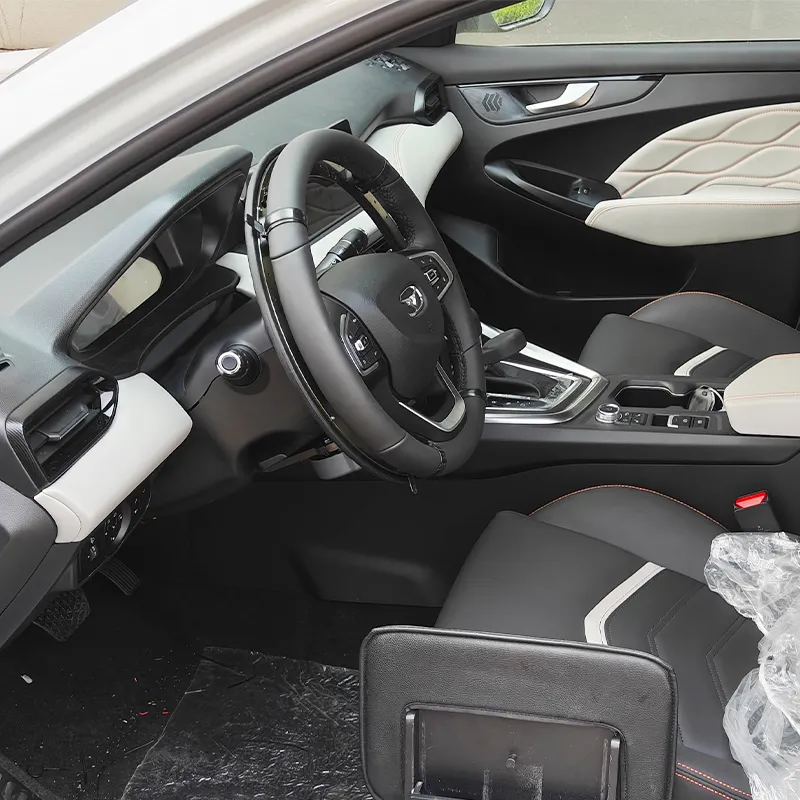
Hand Controls: Adaptive Solutions for Lower Limb ImpairmentsMechanical vs. Electronic Hand Controls: Matching Technology to Functional NeedsHand controls are among the most critical driving aids for individuals with lower limb impairments. Mechanical...
VIEW MORE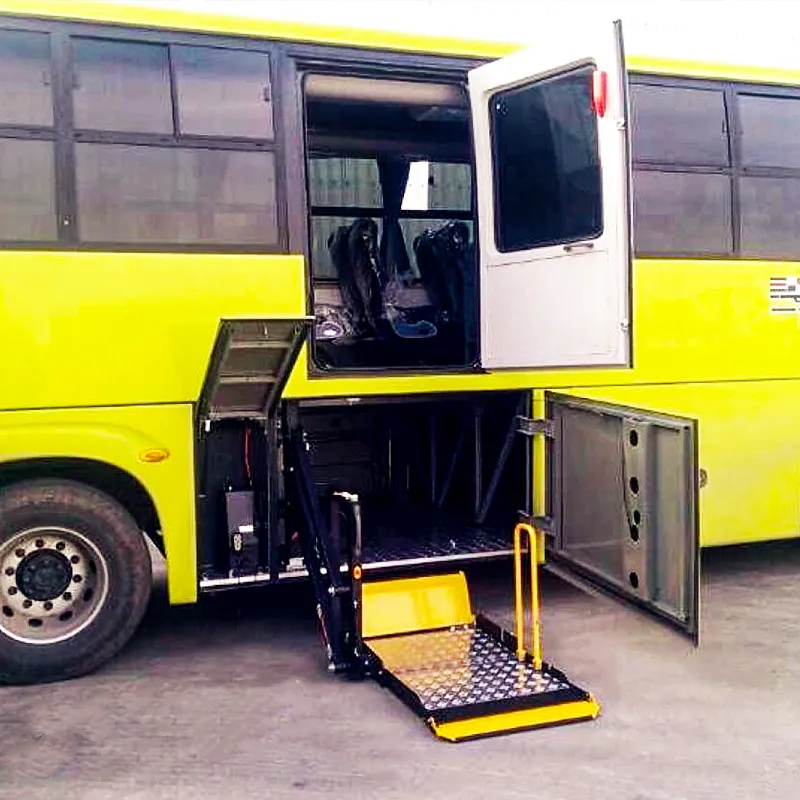
Evaluate Your Compact Vehicle’s Physical Constraints for Wheelchair StorageMeasure Trunk Type, Door Configuration, and Load Floor HeightBefore selecting a wheelchair, document your vehicle’s cargo-area constraints—this step is foundational to reliabl...
VIEW MORE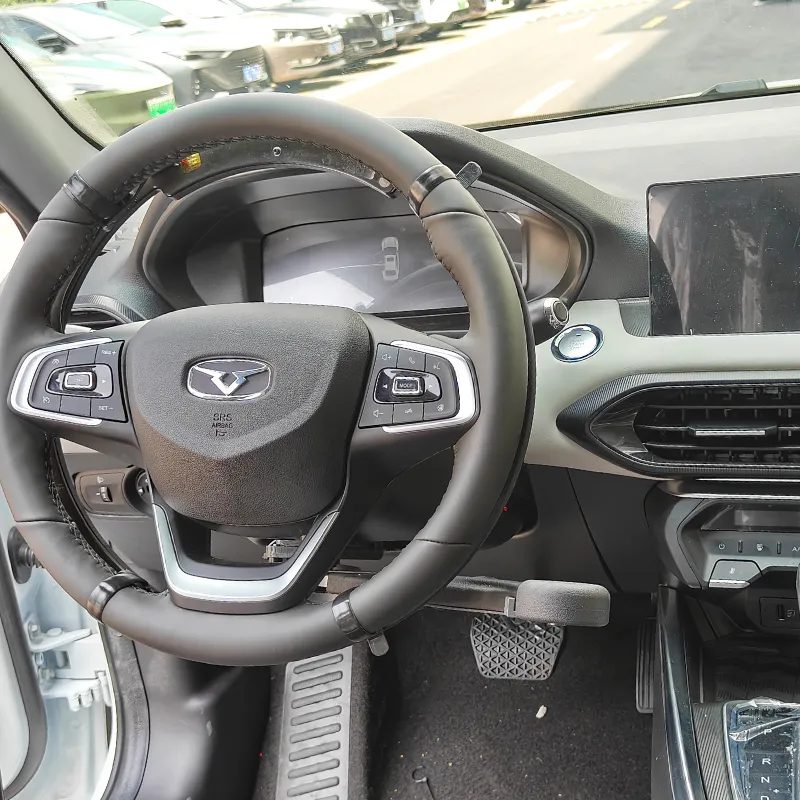
Understanding Your Functional Needs Before Selecting Driving AidsMapping Physical Abilities to Core Driving Tasks: Braking, Steering, and Reaction TimeSelecting the right driving aids starts with a clear-eyed assessment of how your current physical a...
VIEW MORE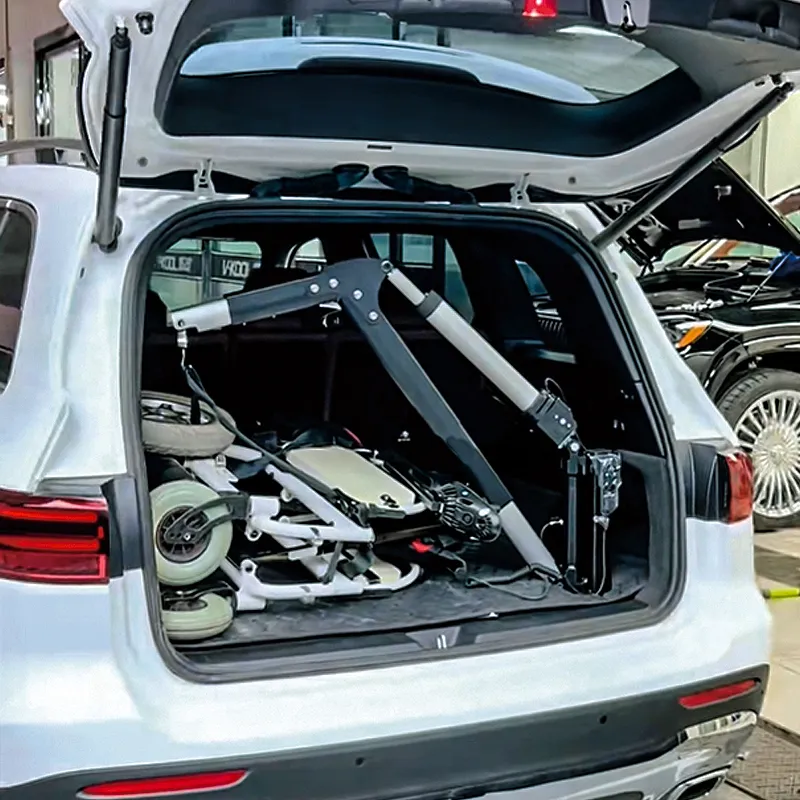
Step 1: Conduct a Mobility-Centered Needs AssessmentCollaborating with OTs and Mobility Specialists to Define Functional RequirementsA successful wheelchair van customization begins with a thorough evaluation of the user’s physical abilities, daily r...
VIEW MORE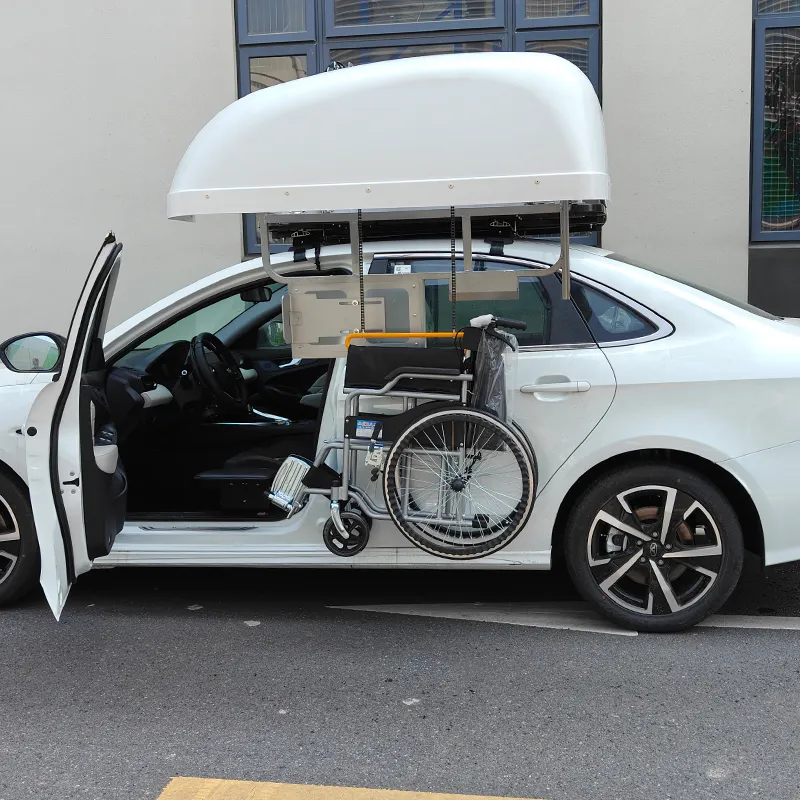
Assess Your Family’s Mobility RequirementsDaily travel patterns, passenger count, and wheelchair user roles (driver vs. passenger)Before evaluating vehicle specs, map your family’s real-world routines: school drop-offs, therapy appointments, grocery ...
VIEW MORE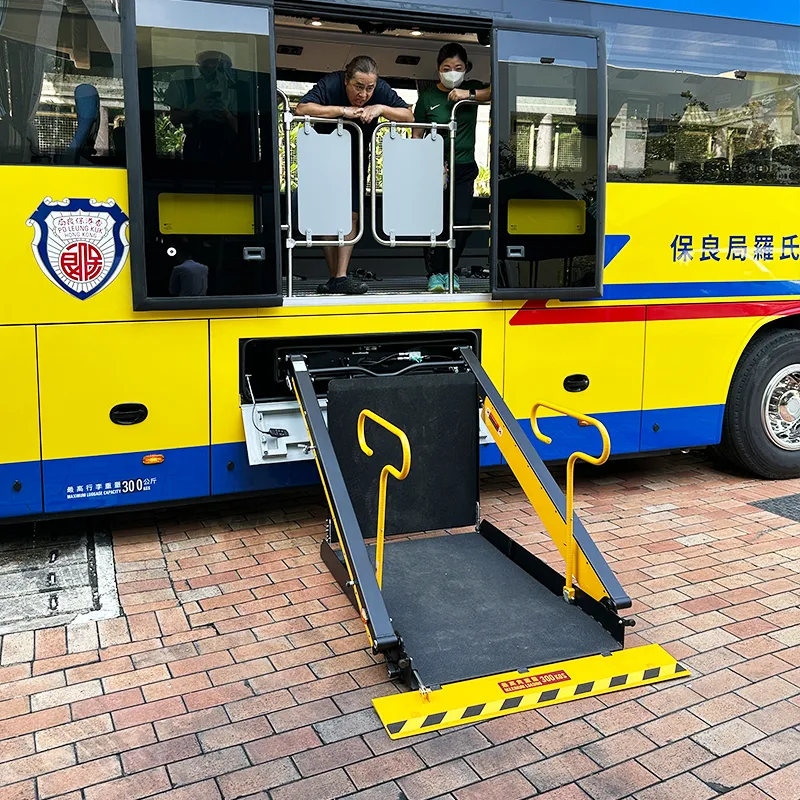
Assessing Mobility Requirements to Guide Wheelchair Accessible Vehicle CustomizationBefore selecting specific modifications, a detailed evaluation of the user’s daily mobility needs is essential to ensure the wheelchair accessible vehicle truly suppo...
VIEW MORE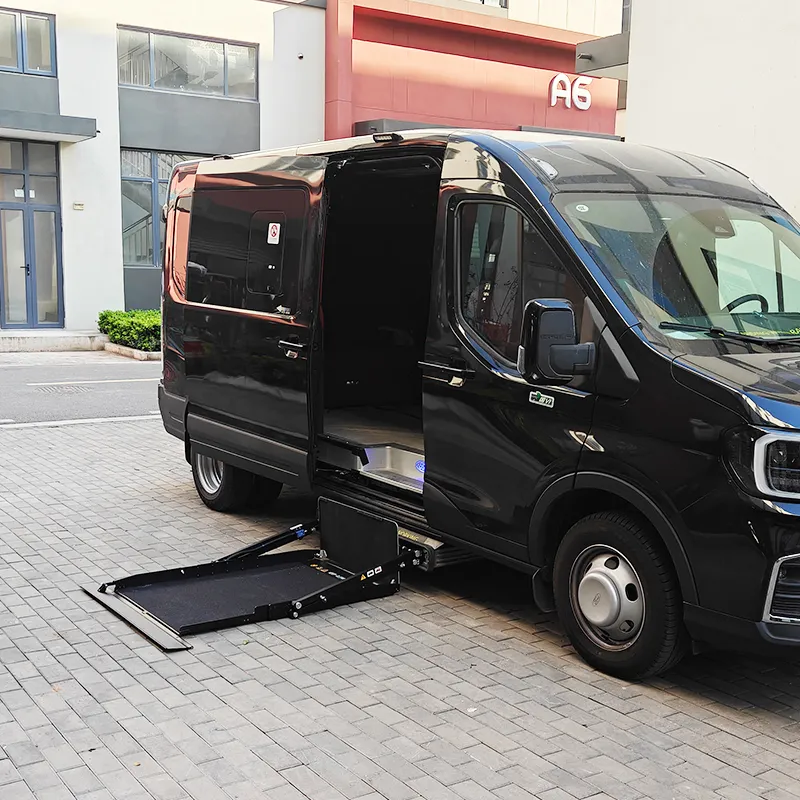
Restoring Personal Independence Through Wheelchair Accessible VehiclesEliminating Painful Transfers and Reducing Caregiver DependenceThe core of independence for wheelchair users is the ability to move without physical strain or reliance on others. T...
VIEW MORE
Changzhou Xinder-Tech Electronics Co., Ltd. provides automotive accessibility equipment for OEMs and fleets. Our wheelchair lifts, ramps, swivel seats & restraint systems meet IATF 16949, CE, E-mark, and crash standards. 95% China market share. Request a quote today.
NO. 3 Hanshan Rd., Xinbei District, Changzhou, Jiangsu, China
Copyright © 2025 by Changzhou Xinder-Tech Electronics Co., Ltd. Privacy Policy
 EN
EN