EN
EN

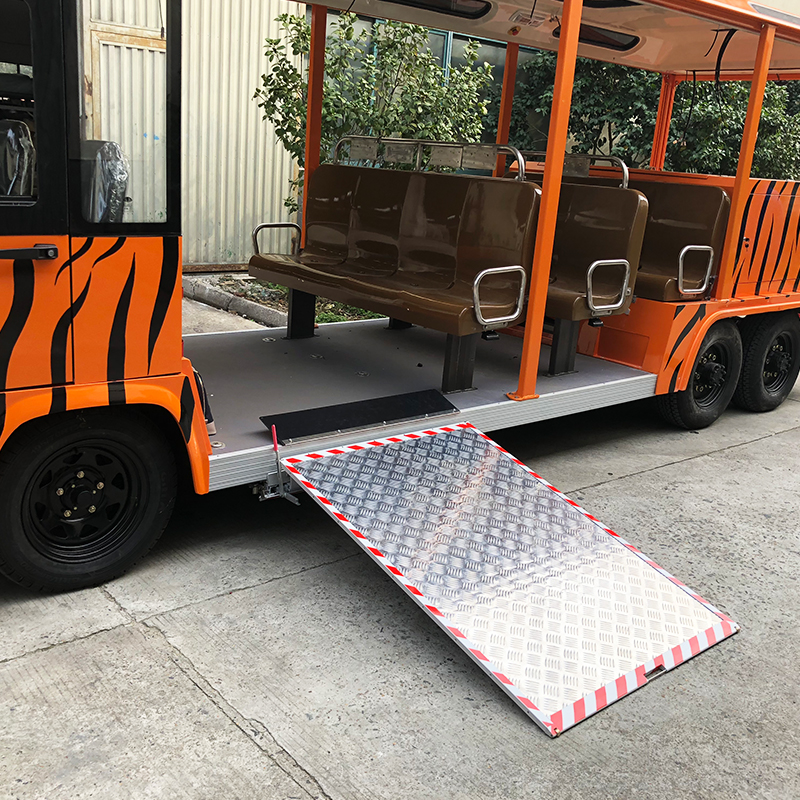
The Bus Wheelchair Ramp as the Gateway to Independent Mobility
How reliable ramp deployment enables first-contact accessibility for wheelchair users
The first few seconds at a bus stop define whether a wheelchair user will travel independently—or remain stranded. A bus wheelchair ramp that deploys smoothly—typically via a driver-operated switch that extends it from the floor in seconds—creates an instant, safe bridge between curb and vehicle. This first-contact experience allows boarding without assistance, preserving autonomy and dignity. When the mechanism works as intended, passengers roll on, pay the fare, and secure their position like any other rider. Today’s integrated ramps are discreetly built into the floor, enabling activation from the driver’s seat—a far cry from Chicago’s fleet in the 1980s, which had zero wheelchair-accessible buses. Seamless deployment transforms public transit from an unpredictable service into a consistent mobility tool, encouraging spontaneous trips to work, medical appointments, or social visits—and reducing reliance on costlier paratransit services.
Consequences of ramp failure: missed connections, delayed trips, and eroded travel confidence
When a bus wheelchair ramp malfunctions, the fallout is immediate and cumulative. A stuck or unresponsive ramp forces drivers to attempt manual deployment, alert maintenance, or leave the passenger unable to board. In tightly timed transfer systems, even a five-minute delay means missing a connecting bus or train—disrupting entire schedules. For someone heading to a job interview or dialysis appointment, one failure can trigger cascading losses. Beyond the practical impact, repeated breakdowns erode trust: passengers begin to view public transit as unreliable and avoid it, retreating into isolation or carer-dependent travel. Transit agencies report that inconsistent ramp performance correlates with lower ridership among people with disabilities and rising paratransit demand. Every failed boarding sends a message that the system is not designed for them—undermining years of accessibility investment. Reliable mechanical and electrical design is not just a maintenance issue; it is foundational to upholding equity in public transportation.
Bus Wheelchair Ramp Standards: Balancing ADA Compliance with Real-World Usability
Decoding the 1:6 slope requirement—and why terrain, boarding speed, and user safety demand flexibility
The widely cited 1:6 slope ratio for bus wheelchair ramps reflects a baseline balance of length and rise—but real-world conditions challenge this static figure. Uneven curbs, sloped sidewalks, and variable bus stop heights create dynamic boarding angles, while manual chair propulsion speed and upper-body strength make even a compliant ramp more demanding than it appears on paper. A single failed boarding on a steep incline can trigger delays, missed transfers, and heightened anxiety. Research from the Transportation Research Board (2022) shows that a 1:6 slope combined with wet or debris-covered surfaces increases required push force by up to 40%. Operators must therefore assess not just the ramp’s static angle but the full boarding environment—including landing stability, clearance, and weather-related friction—to prevent micro-accidents that threaten both rider confidence and ADA compliance.
Emerging best practices: 1:4 slope ramps, automated deployment, and anti-slip surface integration
Leading transit agencies are now adopting a 1:4 slope as the new default for bus wheelchair ramp designs—cutting push-force demand by nearly 30% compared to steeper alternatives. This steeper incline is paired with automated deployment systems that eliminate manual folding and reduce operator error. Integrated anti-slip surfaces—such as grit-impregnated aluminum or thermoplastic elastomer coatings—maintain a static coefficient of friction above 0.6 even when wet, exceeding the ADA’s minimum. A 2023 pilot program across a major metropolitan fleet showed that 1:4 ramps with automatic deployment reduced average boarding time from 95 to 62 seconds and cut wheelchair-related service calls by 22%. These improvements are now being codified into procurement specifications, with side barriers raised to 2 inches and platform widths expanded to 34 inches to accommodate larger power chairs. The result is a ramp that moves beyond minimal compliance toward genuine, all-weather usability.
Integrating the Bus Wheelchair Ramp into Inclusive Transit System Design
The bus wheelchair ramp is not an isolated piece of equipment—it is a critical link in a chain of integrated accessibility features that, together, make public transit truly inclusive. When agencies embed the ramp into a broader universal design strategy, they ensure every journey—from bus stop shelter to vehicle interior—is seamless for wheelchair users. This means coordinating ramp dimensions with raised curbs at stops, ensuring clear floor space and securement areas inside the bus, and synchronizing automated ramp deployment with kneeling bus functions. Physical infrastructure must be paired with digital tools, such as real-time arrival information that includes wheelchair accessibility status, and with well-trained operators who assist without patronizing. A ramp that deploys smoothly onto a well-designed, illuminated, and weather-protected boarding platform eliminates boarding anxiety and fosters independence. Inclusive design also requires ongoing feedback loops: engaging disability advisory committees to test ramp usability in varied conditions and using that data to refine specifications. The goal is a system where the ramp is not a retrofit—but an inherent element of a transit network that anticipates and welcomes all riders. By weaving it into the fabric of accessible infrastructure, cities move beyond compliance to genuine equity, transforming public transportation into a reliable, dignified option for people with disabilities.
Measuring Impact: How Bus Wheelchair Ramp Reliability Drives Broader Accessibility Outcomes
From boarding time to system trust: quantifying ramp performance in ridership and satisfaction metrics
A reliable bus wheelchair ramp is the foundation of a trip’s success. Smooth, timely deployment shortens boarding time and dissolves rider stress—building deep, unspoken trust in the transit system. Riders come to believe that a bus will arrive, the ramp will work, and they’ll reach their destination. That trust translates directly into higher ridership and satisfaction. A 2023 University of Louisville study found that wheelchair users are 1.8 times more likely to experience a ramp-related incident during boarding or alighting than while the bus is moving—and nearly half of those incidents lead to injury. Each failure erodes confidence, prompting riders to limit trips, shift to less reliable paratransit, or abandon public transit altogether. Agencies that track and minimize ramp downtime see measurable gains in system reputation. Quantifying performance—through mean time to repair, deployment success rate, and user-reported boarding delays—creates a feedback loop linking technical reliability directly to passenger loyalty and inclusive mobility.
Case study: Metro Transit’s ramp reliability initiative—27% fewer boarding delays and 19% higher repeat ridership
A large Midwestern transit agency launched a targeted ramp reliability program after internal data revealed ramp failures were the single largest source of boarding-related complaints from wheelchair users. The initiative combined predictive maintenance sensors, daily pre-trip ramp cycle checks, and a rapid-response repair team guaranteeing a 4-hour fix window. Over 18 months, the agency recorded a 27% reduction in boarding delays attributed to ramp malfunctions. More significantly, repeat ridership among wheelchair users rose by 19%, as measured by smart card data linked to registered accessibility accounts. Drivers reported fewer stressful interactions at stops, and customer satisfaction ratings for accessibility reached an all-time high. The program succeeded because it treated the bus wheelchair ramp not as a peripheral feature—but as a mission-critical system. By investing in proactive reliability, the agency demonstrated that a mechanically sound ramp directly expands freedom of movement, fosters independence, and turns a single successful boarding into lifelong loyalty.
FAQ
What is the purpose of a bus wheelchair ramp?
A bus wheelchair ramp provides a safe and accessible bridge for wheelchair users to board and alight buses independently, maintaining their autonomy and dignity.
What happens when a ramp fails?
Ramp failures can lead to missed connections, delayed trips, and a loss of trust in public transit, forcing passengers to rely on costly alternatives like paratransit.
What is ADA compliance for wheelchair ramps?
ADA compliance requires a standard 1:6 slope ratio for ramps, but real-world conditions often demand modifications to ensure optimal usability and user safety.
What are emerging practices for bus wheelchair ramps?
Transit agencies are adopting 1:4 slope ramps, automated deployment systems, and anti-slip surfaces to improve usability, reduce push force, and enhance reliability.
What is the role of feedback in ramp usability?
Engaging with disability communities and gathering data on ramp performance in varied conditions help transit agencies refine their designs and ensure inclusivity.
Table of Contents
- The Bus Wheelchair Ramp as the Gateway to Independent Mobility
- Bus Wheelchair Ramp Standards: Balancing ADA Compliance with Real-World Usability
- Integrating the Bus Wheelchair Ramp into Inclusive Transit System Design
- Measuring Impact: How Bus Wheelchair Ramp Reliability Drives Broader Accessibility Outcomes
- FAQ