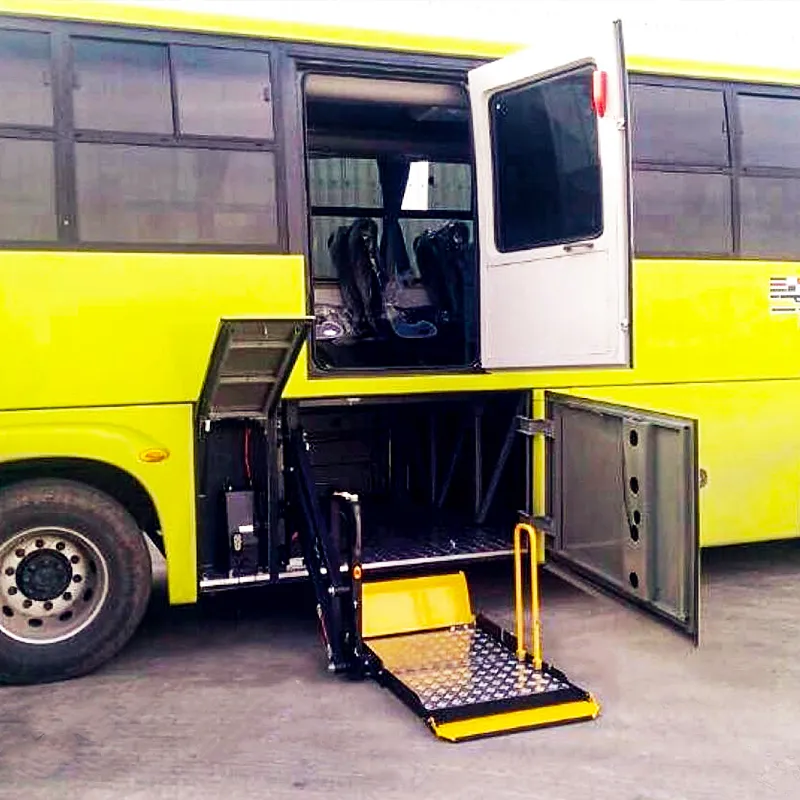
Understanding Wheelchair Accessible Vehicles and Key TypesWheelchair accessible vehicles (WAVs) are specially modified cars, vans, or SUVs that enable wheelchair users to enter, travel, and exit without transferring from their chair. These vehicles f...
VIEW MORE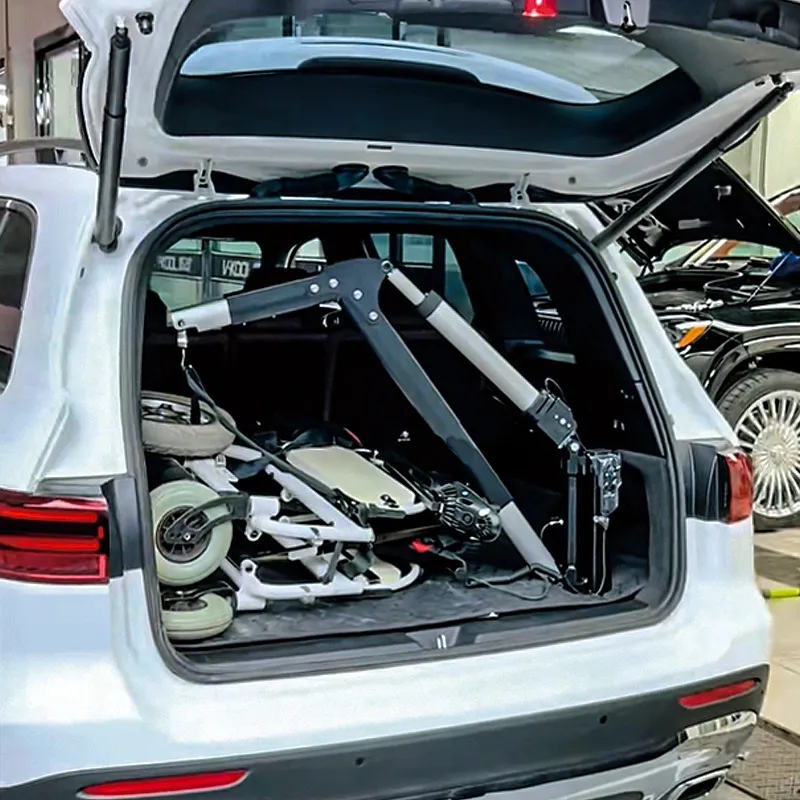
Why Wheelchair Restraint Certification Matters for CrashworthinessReal-World Failures Drive the Need for Standardized TestingInadequate wheelchair securement and occupant protection have repeatedly led to serious injuries during transit collisions. A...
VIEW MORE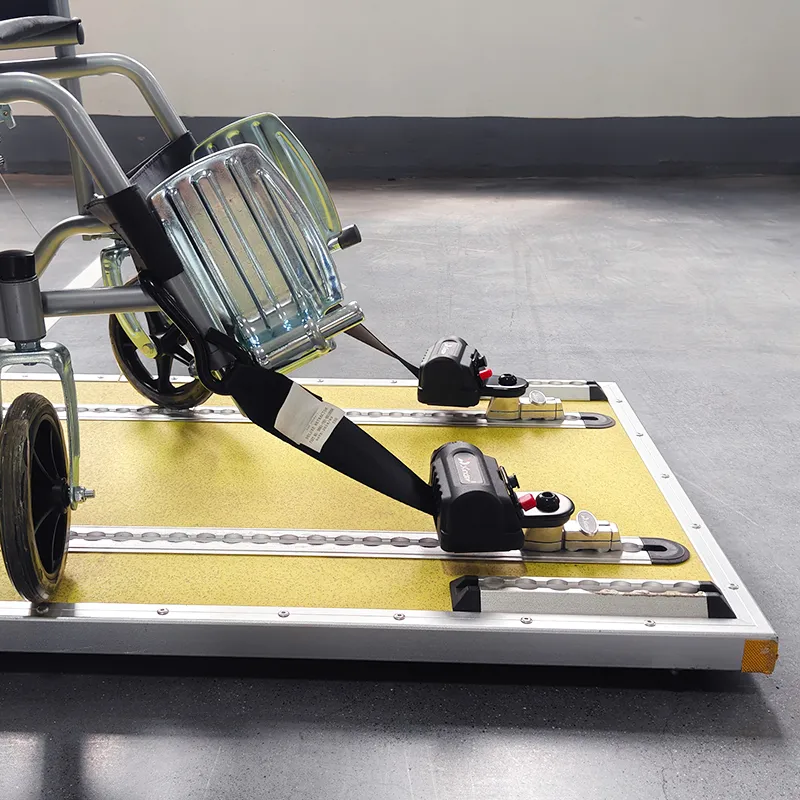
The Critical Role of Wheelchair Restraint in Preventing Transit InjuriesHow wheelchair restraint prevents falls, tip-overs, and secondary impacts during sudden stops or collisionsA wheelchair restraint system functions as the primary barrier between ...
VIEW MORE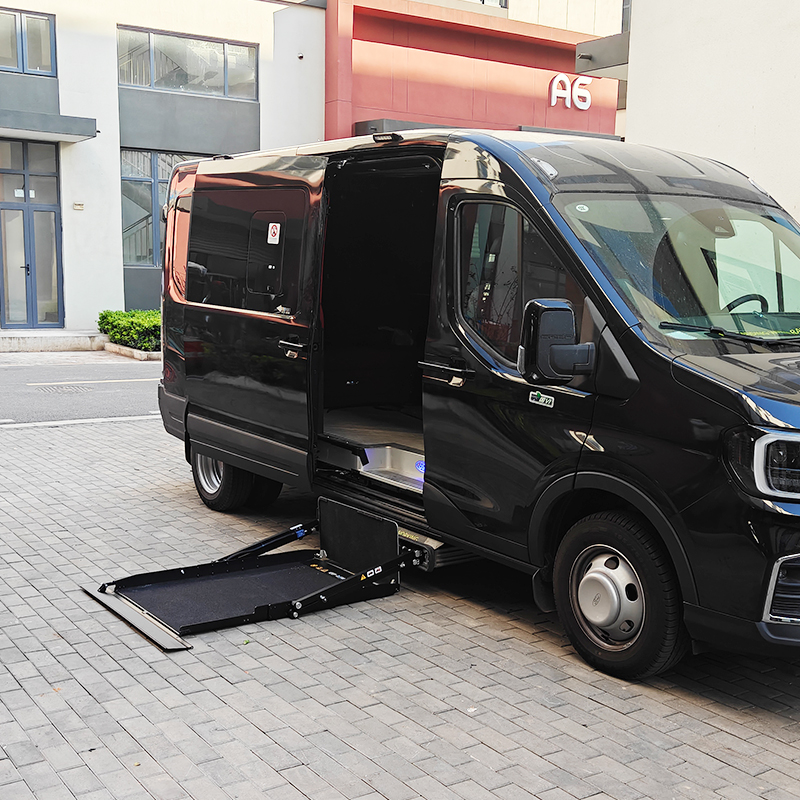
Wheelchair Tiedown and Occupant Restraint Systems (WTORS) in Wheelchair Vans4-Point Tie-Downs with 2,500-lb Attachment Strength: Engineering Standards and Real-World PerformanceA 4-point tie-down system secures a wheelchair at all four corners using ...
VIEW MORE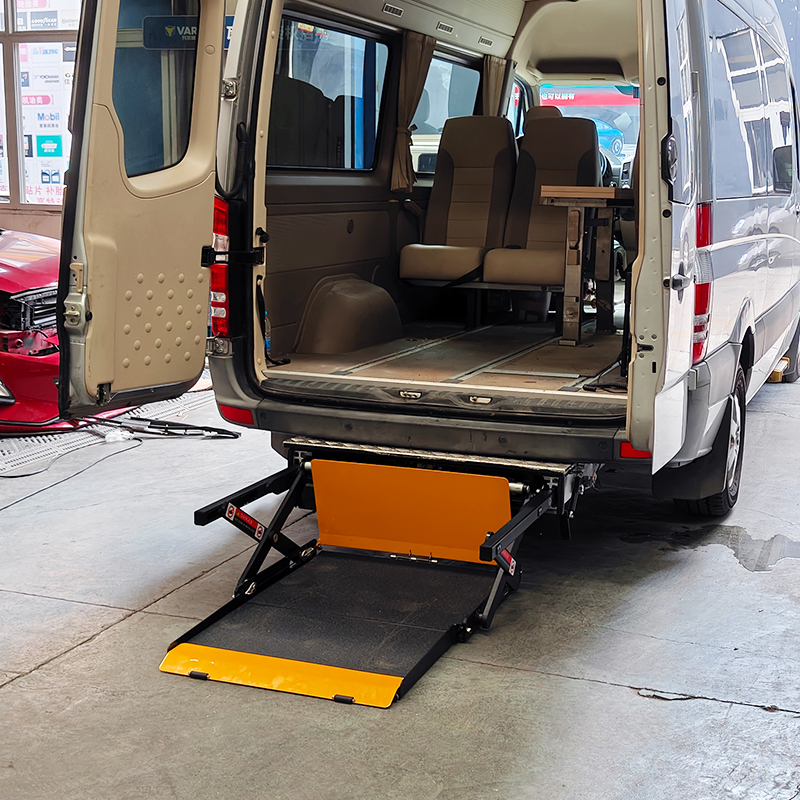
Safety First: How Proper Wheelchair Storage Prevents Injury and Meets Regulatory StandardsReducing Crash-Related Risks Through Certified Wheelchair SecurementIn a vehicle collision, an unsecured wheelchair can become a dangerous projectile. Crash tes...
VIEW MORE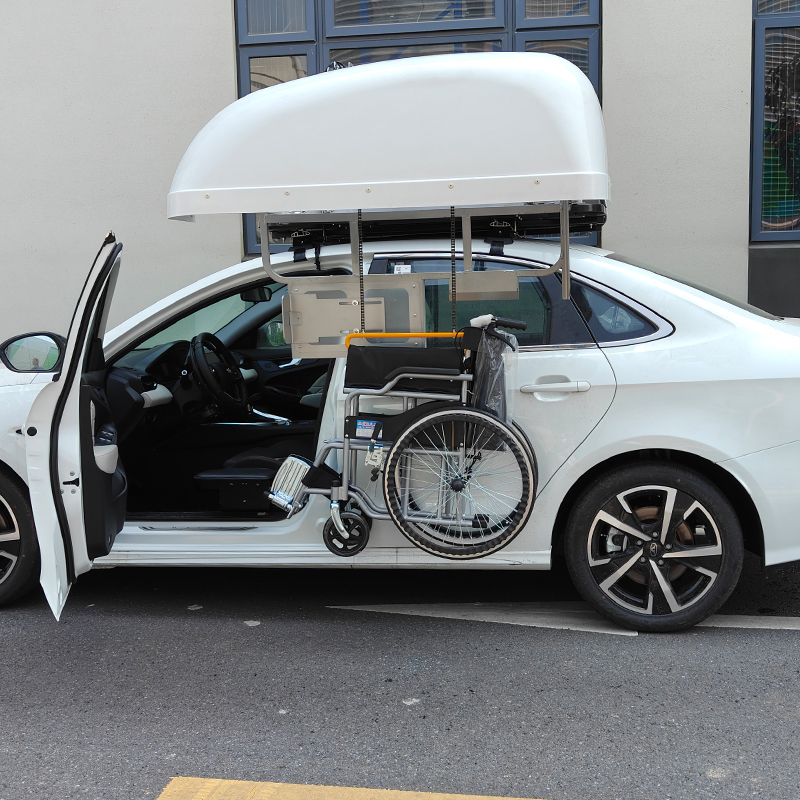
Wheelchair Storage Eliminates Physical Strain and Safety Risks During Loading The Ergonomic Toll of Manual Wheelchair Handling in Vehicles Manual lifting and stowing of a wheelchair in a vehicle imposes repetitive, high-risk biomechanical loads on ...
VIEW MORE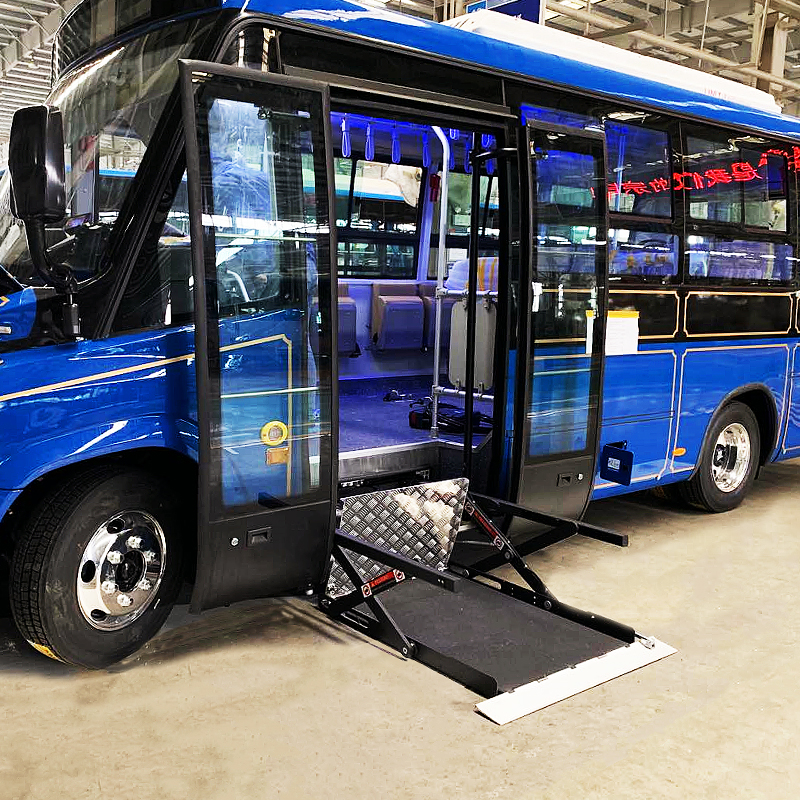
Federal Regulatory Foundation: ADA and DOT Rules for Bus Wheelchair Ramps49 CFR Part 38.23(b)(1): Core Dimensions, Deployment, and Accessibility MandatesThe federal regulatory foundation for bus wheelchair ramps is codified in 49 CFR Part 38.23(b)(1)...
VIEW MORE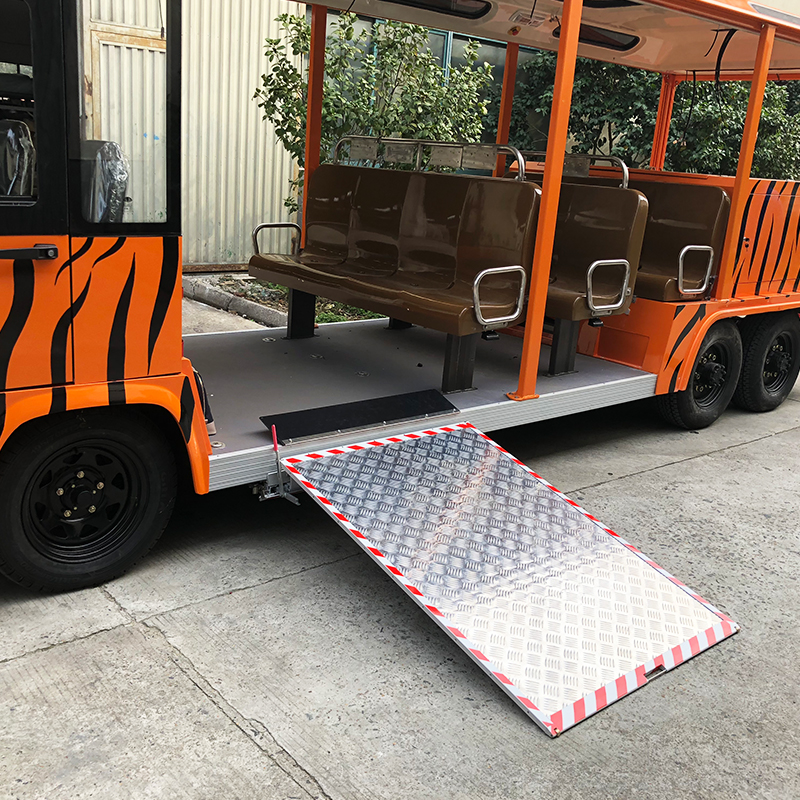
The Bus Wheelchair Ramp as the Gateway to Independent MobilityHow reliable ramp deployment enables first-contact accessibility for wheelchair usersThe first few seconds at a bus stop define whether a wheelchair user will travel independently—or remai...
VIEW MORE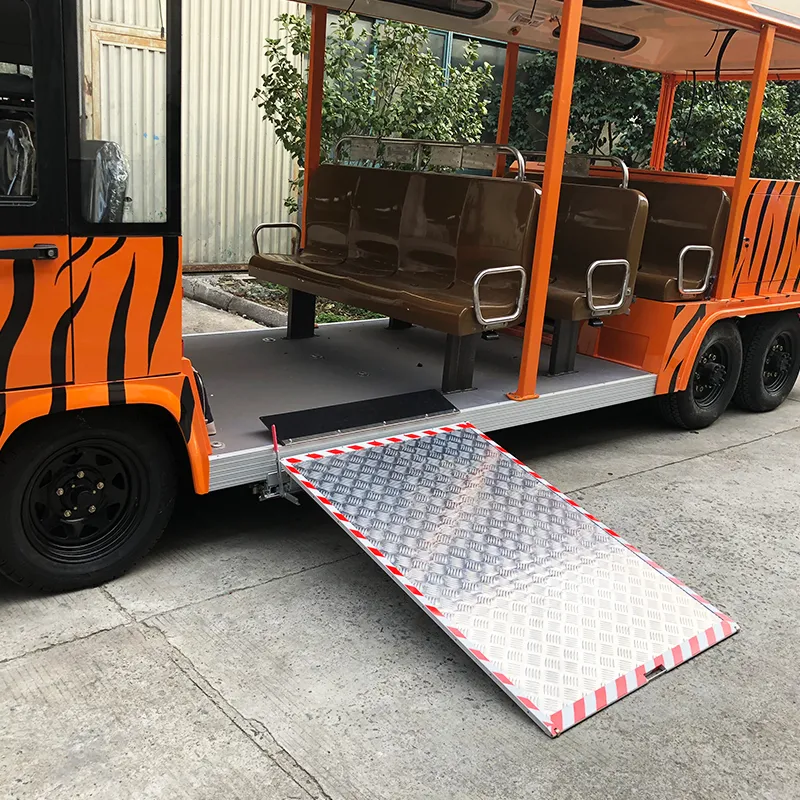
Bus Wheelchair Ramp Functionality: Design, Standards, and Operational AdvantagesMechanics of Deployment: Slope, Width, and Load Capacity for Safe AccessThe mechanical design of a bus wheelchair ramp directly determines passenger safety and ease of us...
VIEW MORE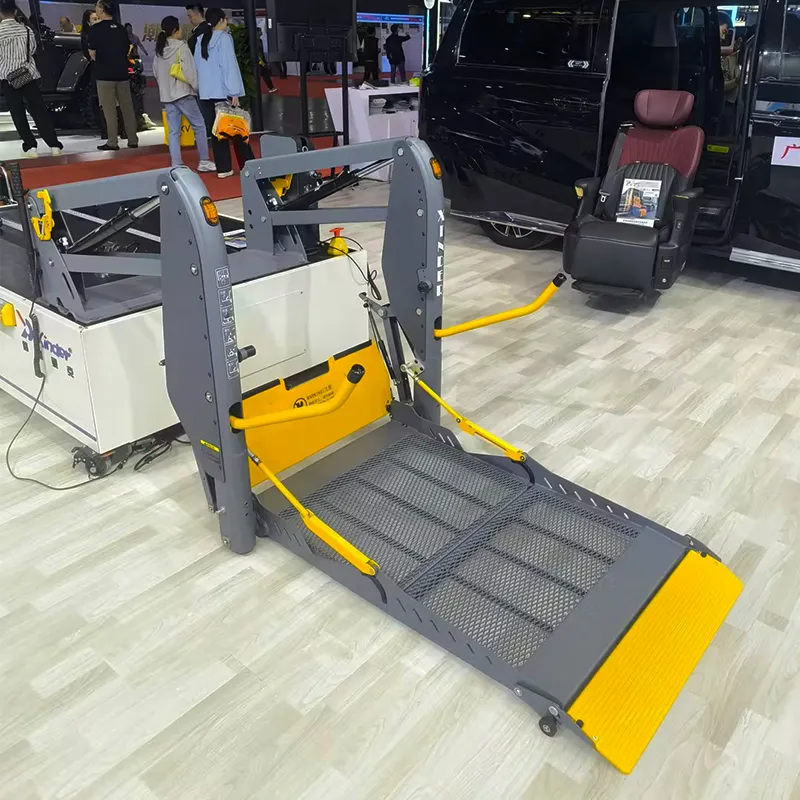
Assess Your Core Mobility Requirements FirstStart by identifying how the van will be used. An independent driver needs different controls and access than a passenger-only rider. For independent drivers, the vehicle must allow safe, repeatable entry t...
VIEW MORE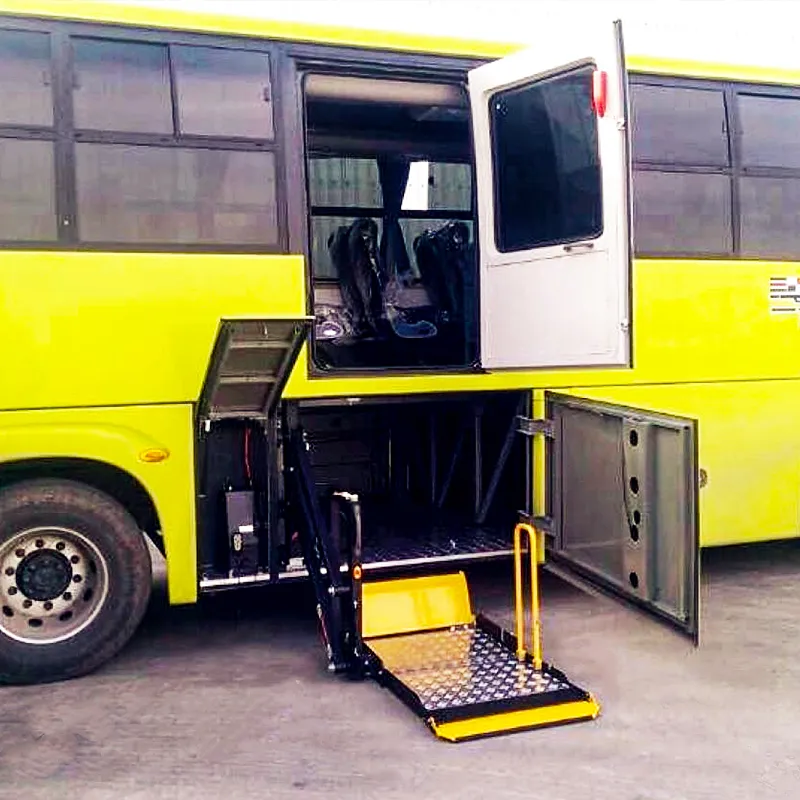
Match Wheelchair Type and Specifications to Storage SolutionsTie-Downs, Docking Systems, and Integrated Van Restraints: Pros, Cons, and Use CasesSelecting the right securement method starts with understanding how each system interacts with your wheel...
VIEW MORE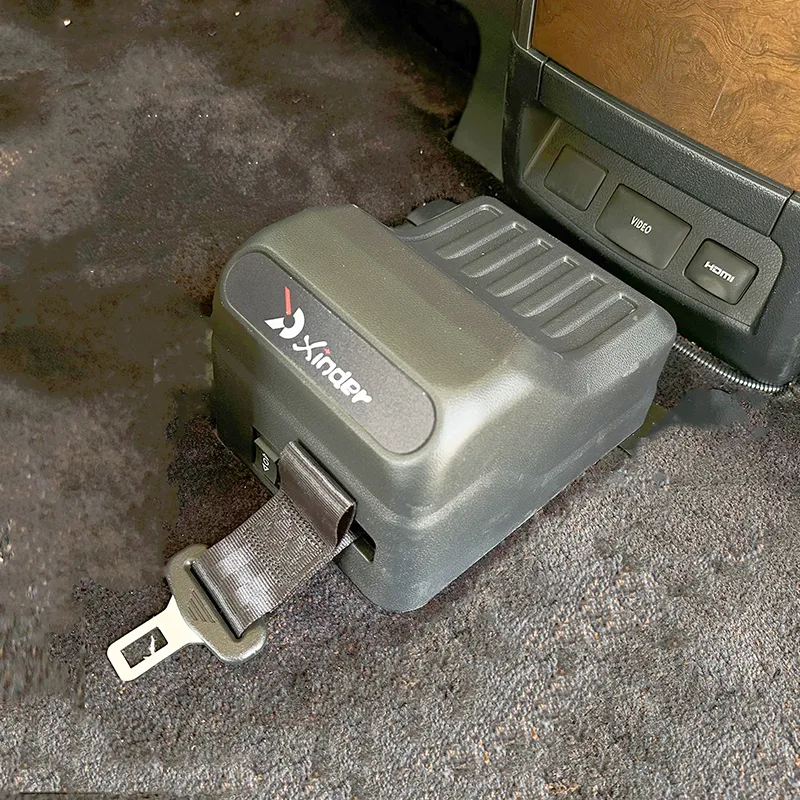
Safety and Regulatory Foundations of Universal Wheelchair Storage Crash-tested WTORS requirements across vehicle classes (minivans, SUVs, trucks, adaptive vans) Universal wheelchair storage systems must integrate crash-tested Wheelchair Tie-down an...
VIEW MORE
Changzhou Xinder-Tech Electronics Co., Ltd. provides automotive accessibility equipment for OEMs and fleets. Our wheelchair lifts, ramps, swivel seats & restraint systems meet IATF 16949, CE, E-mark, and crash standards. 95% China market share. Request a quote today.
NO. 3 Hanshan Rd., Xinbei District, Changzhou, Jiangsu, China
Copyright © 2025 by Changzhou Xinder-Tech Electronics Co., Ltd. Privacy Policy
 EN
EN