EN
EN

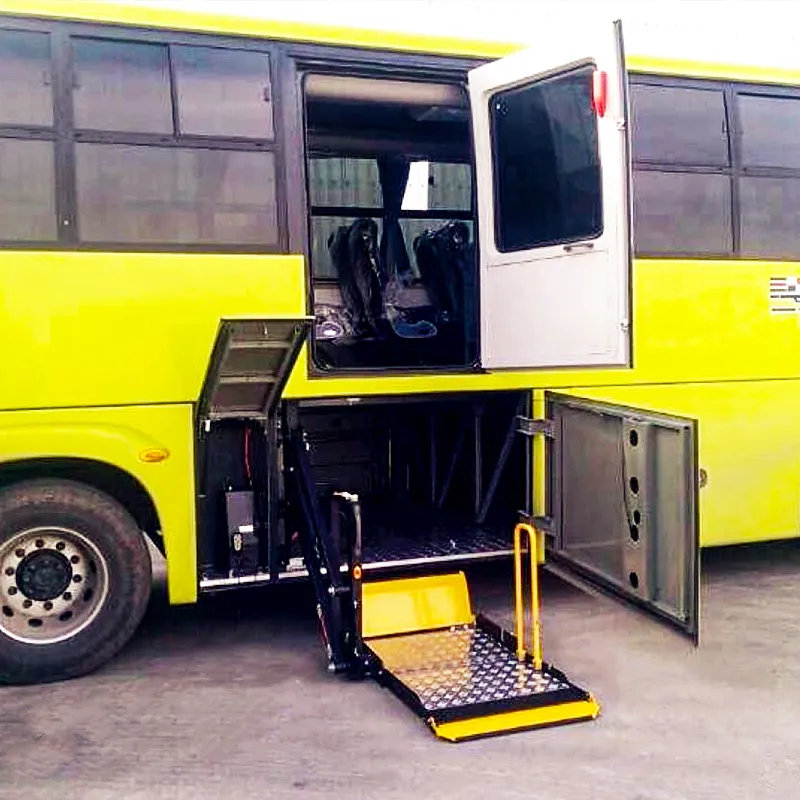
Match Wheelchair Type and Specifications to Storage Solutions
Tie-Downs, Docking Systems, and Integrated Van Restraints: Pros, Cons, and Use Cases
Selecting the right securement method starts with understanding how each system interacts with your wheelchair’s design and daily routine. Traditional tie-downs use four straps to anchor the frame and often require a second person or significant upper-body strength. They are inexpensive and widely compatible, but positioning can be inconsistent—and every re-strap introduces potential slack. Docking systems, such as a front-lock mechanism combined with a rear tie-down, reduce setup time and improve repeatability: the user simply rolls into a floor-mounted receiver until a latch clicks, then secures the back (E-Z Lock, 2023). This approach lowers the risk of human error but adds hardware cost (~$800–$1,200) and limits compatibility to modified wheelchairs with built-in docking brackets. Integrated van restraints—common in purpose-built mobility vans—embed securement points into the vehicle floor and seat tracks, allowing the wheelchair to serve as the driver’s seat and eliminating transfer entirely. However, they are vehicle-specific and require professional installation. For most users who rely on daily transport in a single vehicle, a docking system offers the best balance of safety, consistency, and convenience.
How Wheelchair Dimensions, Weight Class, and Frame Material Affect Wheelchair Storage Compatibility
Not every securement system fits every wheelchair. The three critical factors are footprint, weight, and frame construction. A standard manual chair (roughly 26″ wide × 36″ deep, 35–45 lb) will fit nearly any tie-down zone or docking receiver. Power wheelchairs, which can exceed 250 lb and stretch beyond 48″ in length, demand reinforced floor anchors and a higher-capacity docking station. Weight class is especially important for integrated van restraints: most systems are rated to a maximum of 300 lb (wheelchair plus occupant). Exceeding that voids the warranty and introduces serious safety risks. Frame material also matters. Rigid aluminum frames hold their shape well under strap tension, while folding steel frames can flex, causing the chair to shift during transport. A growing number of mobility specialists recommend docking systems for power wheelchairs because the front latch creates a fixed pivot point that prevents rocking. Before purchasing a storage solution, measure your wheelchair’s overall length and width with armrests and footrests removed, then verify that the securement zone in your vehicle can accommodate those dimensions without blocking other seat positions.
Assess Vehicle Architecture: Size, Interior Layout, and Load Floor Requirements
Minivans, Full-Size SUVs, and Purpose-Built Mobility Vans: Cargo Volume, Ramp Clearance, and Securement Zone Constraints
Vehicle architecture determines where and how wheelchair storage can be installed. Minivans offer generous interior length but limited height, so ramp clearance and securement zone depth often compete with passenger seating. Full-size SUVs provide taller cargo areas and higher load floors, which may require powered lifts or in-floor ramps to maintain a low entry angle. Purpose-built mobility vans eliminate guesswork by designing the load floor, ramp angle, and tie-down locations around wheelchair specifications from the start. Cargo volume in standard minivans typically ranges from 32 to 42 cubic feet behind the third row, while full-size SUVs offer 38 to 46 cubic feet—enough to accommodate a manual chair but often too shallow for powered chairs without folding or removing seats. Ramp clearance depends on vehicle height; a steeper ramp increases floor height but reduces usable cargo length. Securement zone constraints include the distance from the ramp hinge to the forward barrier and the available track width. Matching these dimensions to the wheelchair storage system ensures the chair locks in place without interfering with doors, seats, or belt routes. Always verify load floor height, wheel well intrusions, and the location of seat anchors before finalizing a storage solution.
Evaluate Entry and Loading Mechanics: Ramp vs. Lift Configurations
Side-Entry vs. Rear-Entry Vehicles and Their Impact on Wheelchair Storage Positioning and Transfer Efficiency
The vehicle’s entry point directly changes where and how wheelchair storage is positioned. Side-entry vans place the wheelchair beside the driver, enabling a shorter transfer path—the chair can be stored immediately adjacent to the front seat, reducing the distance a user must reach. Rear-entry vehicles position the wheelchair behind the cargo zone, often requiring the user to navigate around seats or fold down a bench. This layout increases transfer time and may force the wheelchair to be stored farther from the driver’s seat. For frequent daily transfers—especially among independent drivers—side-entry designs typically offer faster, less strenuous positioning.
Manual Ramps, In-Floor Ramps, and Powered Lifts: How Each Affects Usable Depth and Wheelchair Storage Stability
The loading mechanism determines how much interior depth remains for secure wheelchair placement. Manual ramps are lightweight and fold away, preserving almost full cargo depth and allowing the wheelchair to be positioned anywhere within the securement zone. In-floor ramps slide under the vehicle floor, freeing up wall space but slightly reducing rear clearance when deployed. Powered lifts require a dedicated platform that extends outward, consuming rear cargo area and limiting the distance from the lift to the securement points. Stability improves with shorter horizontal travel—lifts place the wheelchair closer to the attachment hardware, reducing sway during transit. The trade-off is always between storage flexibility and mechanical complexity.
Prioritize User-Centered Needs: Role, Mobility Goals, and Daily Usage Patterns
The ideal wheelchair storage configuration balances technical compatibility with the user's daily routine. A full-time caregiver securing a heavy power chair needs different mechanical advantages than an active adult lifting a rigid-frame manual chair. Transfer independence is paramount for drivers, who require a system that does not block cabin access or compromise egress. Frequency of use is a deciding factor: quick-release docking stations streamline high-volume routines, while simple, manual securement systems serve occasional transport reliably. Ultimately, the strongest solutions emerge when engineering precision meets lived experience—prioritizing what works every day, not just on paper.
FAQ Section
What are the main types of wheelchair securement systems?
Tie-downs, docking systems, and integrated van restraints are the primary securement systems. Each has unique advantages and limitations based on compatibility and user requirements.
How does wheelchair weight affect securement system compatibility?
Wheelchair weight determines the capacity of securement systems. Manual chairs typically fit all systems, while heavy power chairs (250 lb+) require reinforced floor anchors and higher-capacity docking stations.
What considerations are important for vehicle architecture?
Vehicle size, interior layout, ramp clearance, and securement zone constraints are critical to ensuring a wheelchair fits securely without interfering with other functionalities.
Which entry mechanism works better, side-entry or rear-entry?
Side-entry vehicles generally provide faster and more convenient wheelchair positioning compared to rear-entry vehicles, which may require longer transfer distances.
What trade-offs exist between manual ramps and powered lifts?
Manual ramps preserve cargo space and flexibility, while powered lifts offer stability but occupy more interior depth and require additional hardware.