EN
EN

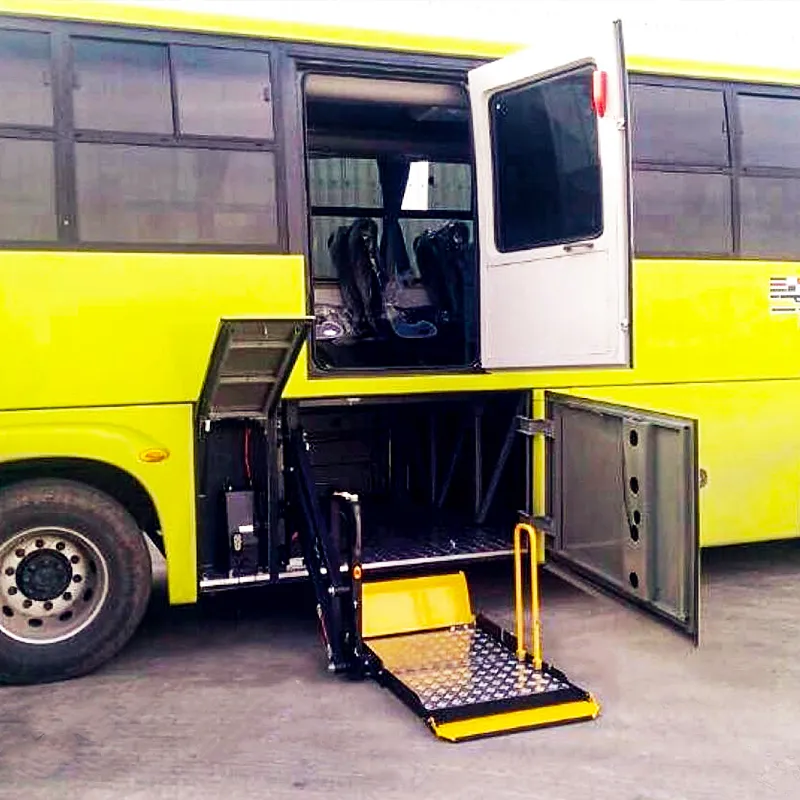
Understanding Wheelchair Accessible Vehicles and Key Types
Wheelchair accessible vehicles (WAVs) are specially modified cars, vans, or SUVs that enable wheelchair users to enter, travel, and exit without transferring from their chair. These vehicles feature lowered floors, ramps or lifts, and securement systems designed for safety, independence, and comfort. The two primary conversion styles—side-entry and rear-entry—serve distinct user needs. Side-entry conversions deploy a ramp from the passenger side, allowing the wheelchair user to sit in the front or middle row; many models even support wheelchair-driving capability. This configuration works well in standard parking spaces and is widely preferred for personal use. Rear-entry conversions use a back-mounted ramp, preserving factory side doors and requiring fewer structural modifications—making them simpler and often more affordable. However, they demand greater rear clearance and are best suited for passengers rather than drivers. For organizations serving multiple riders—such as paratransit providers or medical transport services—full-size vans with high roofs and extended wheelbases offer optimal capacity, headroom, and integration of automated lifts and securement systems. Matching vehicle type to lifestyle, mobility goals, and operational context remains essential.
Critical Features to Evaluate in Wheelchair Accessible Vehicles
Choosing the right WAV hinges on two interdependent systems: how the user enters the vehicle and how they—and their wheelchair—are secured during transit. These features directly affect daily usability, long-term reliability, and compliance with national safety standards—not just convenience.
Entry Systems: Ramps vs. Lifts
Ramps remain the most common entry solution, especially for lower-floor vehicles like minivans. Manual ramps provide simplicity and low maintenance, while powered ramps enhance independence by eliminating physical effort. Side-entry ramps allow flexible seating arrangements and driver-in-wheelchair capability; rear-entry ramps preserve original door functionality and reduce modification complexity. Ramp slope, width, and deployment clearance should align with the user’s wheelchair dimensions and typical parking environments. In contrast, wheelchair lifts—typically platform-based—are better suited for higher-ground-clearance vehicles or users with heavier power chairs. They require additional headroom and integrated electrical systems but offer precise vertical positioning. Lift capacity must exceed the combined weight of the occupant and chair, and all lift mechanisms should comply with SAE J2937 and WC-19 crash-test requirements.
Securement Solutions: Tie-Downs and Integrated Restraints
Once onboard, proper securement is non-negotiable. Traditional 4-point tie-down systems use retractable straps anchored to reinforced floor points—requiring manual attachment and periodic inspection for wear. Integrated docking systems, such as Q’Straint or EZ-Lock receivers, eliminate guesswork by locking the wheelchair into a fixed floor mount, delivering consistent, repeatable restraint with minimal effort. Regardless of system type, all securement hardware must meet WC-18 (for tiedowns) and WC-19 (for integrated restraints) standards—the only federally recognized benchmarks for crashworthiness in wheelchair transportation. Occupant seat belts must be three-point, lap-and-shoulder configurations, properly anchored and compatible with the user’s posture and mobility needs. Anchor placement, retractor function, and buckle integrity should be verified during every pre-trip check.
Top Wheelchair Accessible Vehicle Models by Use Case
Selecting the right WAV means matching vehicle architecture to real-world use—not just specifications. Personal mobility demands differ significantly from commercial fleet requirements, and the best models reflect those priorities in design, durability, and regulatory alignment.
Minivans for Personal and Family Mobility
Minivans—including the Chrysler Pacifica, Toyota Sienna, and Honda Odyssey—dominate the personal WAV market thanks to their low floor height, wide cabin openings, and proven reliability. Professionally converted models typically feature a 13- to 15-inch floor drop, removable front seats, and flexible second-row configurations to accommodate both wheelchair users and ambulatory family members. Their compact footprint enables easy maneuvering in urban settings and tight driveways, while fuel efficiency supports daily commutes and school runs. Because conversion costs are comparatively lower—and outcomes highly predictable—many state vocational rehabilitation programs and private insurers prioritize minivan-based WAVs when approving funding.
Full-Size Vans for Commercial and Fleet Operators
For ADA-mandated paratransit, non-emergency medical transport (NEMT), and corporate shuttle services, full-size vans like the Ford Transit, Mercedes-Benz Sprinter, and Ram ProMaster deliver unmatched versatility and longevity. High-roof variants provide standing room for attendants and seamless integration of dual or triple wheelchair positions, each equipped with automated lifts and WC-19-compliant securement. These platforms support extended service intervals, heavy-duty suspension upgrades, and custom interior layouts—including partitioned zones, climate-controlled compartments, and ADA-compliant signage. Fleet operators benefit from scalable financing, manufacturer-backed warranty extensions, and eligibility for federal and state incentives tied to accessible transportation compliance.
Purchasing, Financing, and Maintaining Wheelchair Accessible Vehicles
The upfront investment in a WAV can appear prohibitive—but multiple, often underutilized, funding pathways exist. State vocational rehabilitation agencies routinely cover vehicle modifications when tied to employment retention or advancement. Nonprofit organizations such as Help Our Military Heroes and United Spinal Association offer grants specifically for adaptive equipment or full-vehicle acquisition. Veterans may qualify for the Department of Veterans Affairs’ Automobile Allowance and Adaptive Equipment program, which provides up to $25,422 toward vehicle purchase or conversion. Early exploration of these resources shifts the conversation from “Can I afford it?” to “Which option best fits my goals?”
Grants, Tax Credits, and Fleet Incentives
Charitable grants often cover conversion costs outright—or supplement loans—while state rehabilitation programs focus on employment-related modifications. Federal tax credits, including the Disabled Access Credit (IRS Form 8826), allow eligible individuals to claim up to $15,000 annually for accessibility improvements, applied dollar-for-dollar against tax liability. For fleets, ADA compliance unlocks eligibility for state clean-vehicle rebates and federal Section 504 grant opportunities—especially when deploying zero-emission or hybrid-accessible vans. Combining these with specialized low-interest loans from lenders like Accessible Vans or Mobility Ventures creates a financially sustainable path to ownership, whether for individual independence or organizational mission fulfillment.
FAQs
What is a wheelchair accessible vehicle (WAV)?
A WAV is a specially modified vehicle, such as a car, van, or SUV, that accommodates wheelchair users, allowing them to enter, travel, and exit without transferring from their chair. These vehicles include features like ramps or lifts, lowered floors, and securement systems for safety and ease of use.
What are the differences between side-entry and rear-entry WAVs?
Side-entry WAVs have ramps on the passenger side, allowing wheelchair users to sit in the front or middle row and even drive the vehicle. Rear-entry WAVs feature a back-mounted ramp, are easier to modify, more affordable, and are better suited for passengers rather than drivers.
What should I prioritize when choosing a WAV?
Focus on entry systems (ramps vs. lifts) and securement solutions. Consider factors like the type of wheelchair, parking environment, available space, and the user’s mobility needs. Ensure all systems meet relevant safety standards such as SAE J2937, WC-18, and WC-19.
Which vehicles are best for personal use?
Minivans like the Chrysler Pacifica, Toyota Sienna, and Honda Odyssey are popular for personal use due to their low floor height, flexible seating, and affordability.
What vehicles are ideal for commercial or fleet operations?
Full-size vans like the Ford Transit, Mercedes-Benz Sprinter, and Ram ProMaster are best for commercial use. They offer higher capacity, customizable interiors, and compliance with ADA and WC-19 standards.
Are financial assistance programs available for purchasing a WAV?
Yes, funding options include state vocational rehabilitation programs, nonprofit grants, veterans’ benefits, federal tax credits, and fleet incentives aligned with accessibility and environmental compliance.
Table of Contents
- Understanding Wheelchair Accessible Vehicles and Key Types
- Critical Features to Evaluate in Wheelchair Accessible Vehicles
- Top Wheelchair Accessible Vehicle Models by Use Case
- Purchasing, Financing, and Maintaining Wheelchair Accessible Vehicles
-
FAQs
- What is a wheelchair accessible vehicle (WAV)?
- What are the differences between side-entry and rear-entry WAVs?
- What should I prioritize when choosing a WAV?
- Which vehicles are best for personal use?
- What vehicles are ideal for commercial or fleet operations?
- Are financial assistance programs available for purchasing a WAV?