Driving Aids: Redefining Independent Driving for Disabled Drivers
For drivers with limited mobility—whether due to spinal cord injuries, muscular dystrophy, arthritis, or other physical conditions—operating a vehicle independently often feels like an unattainable goal. Traditional vehicles are designed for able-bodied individuals, with throttle and brake controls placed in positions that require full use of legs and feet, creating insurmountable barriers for those with lower-body impairments. Compromised aftermarket solutions often involve invasive vehicle modifications, clunky controls that hinder operation, or safety risks that undermine confidence behind the wheel. Recognizing the urgent need for a user-centric, safe, and non-intrusive solution, Xindertech has developed the Driving Aid Devices for Disabled Drivers—a specialized product line engineered exclusively for automatic transmission vehicles, enabling drivers with limited mobility to operate cars safely, comfortably, and with full control. By integrating intuitive manual driving systems, seamless vehicle integration, and thoughtful accessibility features, Xindertech restores the freedom of independent driving, empowering users to travel on their own terms.
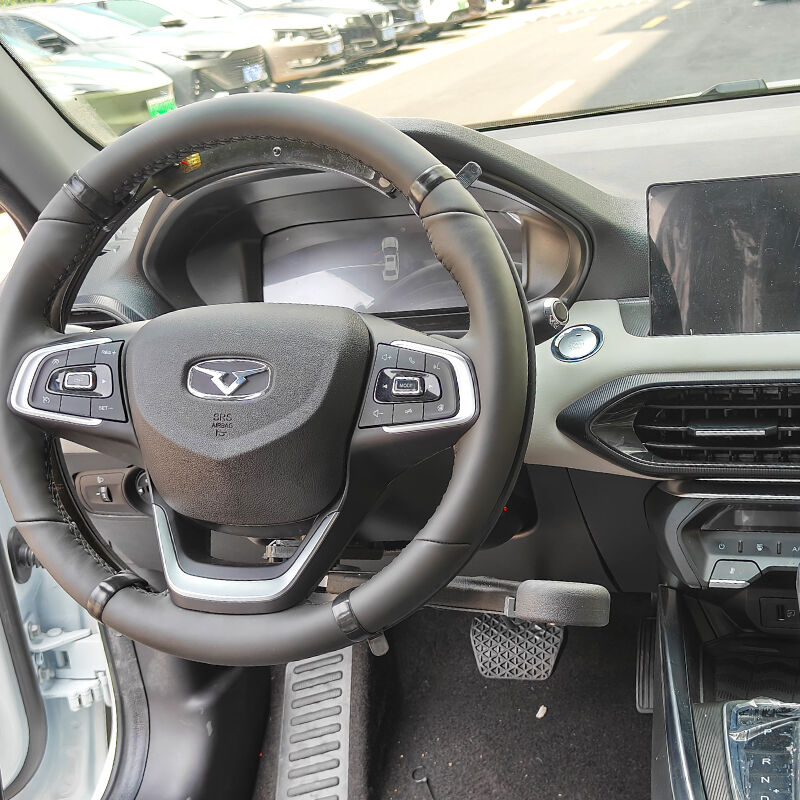
At the heart of Xindertech’s Driving Aids is the manual driving system—a dual-component setup that reimagines throttle and brake control for users unable to operate standard foot pedals. This system eliminates the need for lower-body movement, placing all critical driving functions within easy reach of the hands, while ensuring zero compromise on safety or vehicle performance. The core components—an electronic throttle accelerator mounted on the steering wheel and a mechanical brake lever positioned beside the driver’s seat—are engineered to work in perfect harmony with the vehicle’s original systems, delivering responsive, precise control that feels natural and intuitive. Unlike cobbled-together solutions that disrupt the vehicle’s ergonomics, Xindertech’s design prioritizes familiarity: the steering wheel remains the central control point, and the brake lever integrates seamlessly with the vehicle’s interior, allowing users to focus on driving rather than adapting to unfamiliar controls. This thoughtful approach reduces learning curves and builds confidence, making independent driving accessible to a wide range of users with varying mobility limitations.
The electronic throttle accelerator—a flagship component of the system—offers two customizable options to cater to different user preferences and dexterity levels, ensuring a personalized driving experience. The first option is the push-button accelerator ring, mounted above the steering wheel in a position that aligns with the natural resting place of the driver’s fingers. This ring features pressure-sensitive buttons that deliver linear acceleration: the more pressure applied with the fingertips, the smoother the acceleration, mimicking the feel of a traditional foot pedal. The design is ergonomically optimized, with a contoured shape that reduces fatigue during long drives and large, tactile buttons that are easy to locate and operate—even for users with limited finger mobility. The second option is the rotary accelerator ring, installed below the steering wheel for users who prefer rotational control. This ring operates via gentle finger rotation: turning the ring forward increases speed, while releasing it decelerates, providing precise control that is particularly beneficial for users with limited grip strength. Both accelerator options utilize advanced digital signal transmission technology, which ensures instantaneous response—eliminating lag and delivering a driving experience that is both safe and enjoyable. Critically, neither design interferes with the vehicle’s original steering wheel airbag: the accelerator rings are mounted externally, with no modifications to the steering wheel’s internal structure, ensuring that safety systems remain fully functional in the event of a collision. Additionally, the accelerator components are designed for quick installation and removal—no tools required—allowing other drivers to revert to the vehicle’s standard controls in minutes, making the system ideal for shared vehicles or families with multiple drivers.
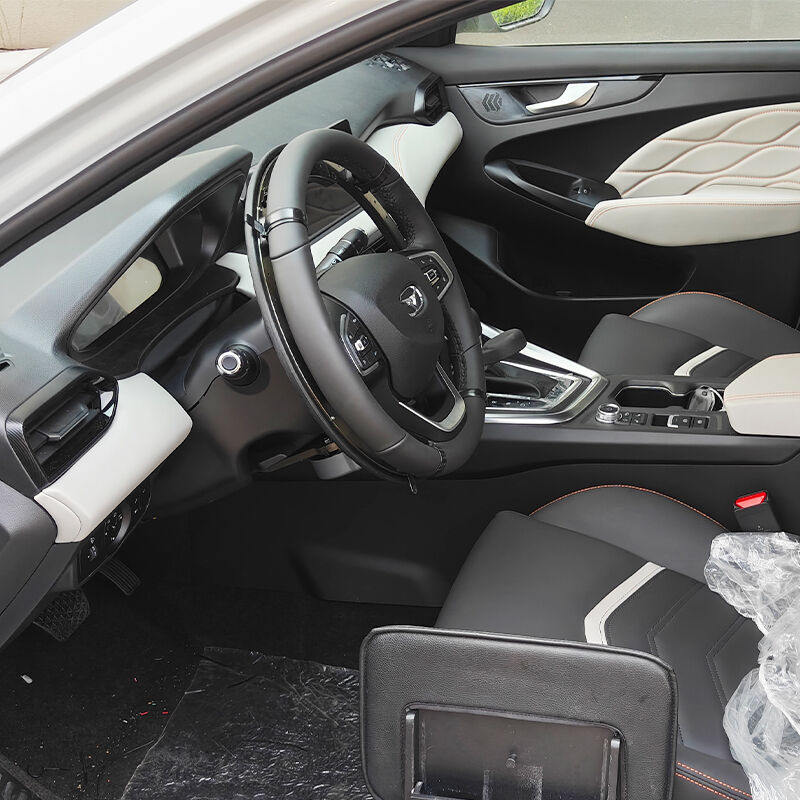
Complementing the throttle system is the mechanical brake control, engineered for reliability, responsiveness, and ease of use. The brake is implemented as an auxiliary lever located in the center console area, within arm’s reach of the driver’s seat—eliminating the need to stretch or reposition the body while driving. The lever features a sturdy, ergonomic handle with a non-slip grip, designed to accommodate users with varying hand strengths and dexterity levels. Engaging the brake is intuitive: a simple forward push of the lever applies gradual, controlled braking, with resistance that increases proportionally to the pressure applied—ensuring that users can modulate braking force with precision, whether in heavy traffic or emergency situations. The mechanical brake system is directly linked to the vehicle’s original brake mechanism, delivering the same stopping power as the standard foot pedal while adding an extra layer of safety through redundant design. Unlike hydraulic or electric brake modifications that can compromise vehicle performance, Xindertech’s mechanical system preserves the vehicle’s original braking characteristics, ensuring consistent, reliable performance in all driving conditions.
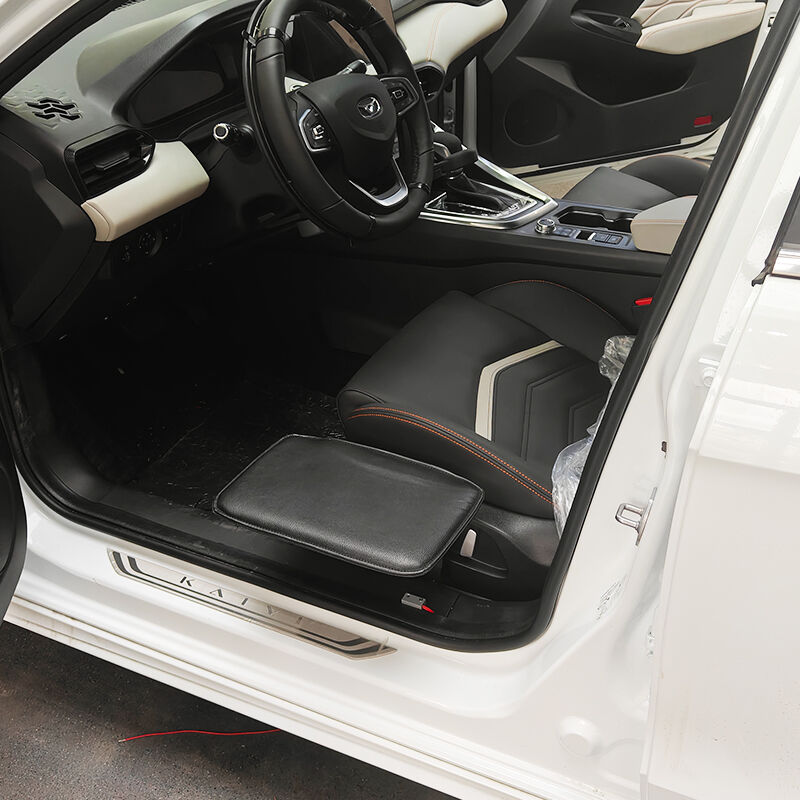
To address the often-overlooked challenge of entry and exit, Xindertech’s Driving Aids include manually folding seat side panels—a thoughtful addition that bridges the gap between the vehicle seat and the user’s wheelchair. For many disabled drivers, transferring from a wheelchair to the driver’s seat is a delicate process that requires a smooth, unobstructed path. Traditional vehicle seats feature rigid side panels that create a barrier, forcing users to lift themselves over the edge—a movement that is not only difficult but also risky. Xindertech’s folding side panels solve this problem: with a simple lever or button press, the side panel folds inward, creating a flush, continuous surface between the wheelchair and the driver’s seat. This seamless transition reduces the physical effort required for transfers, minimizes the risk of falls or strain, and preserves the user’s dignity by eliminating the need for assistance. The side panels are constructed from lightweight yet durable materials, matching the vehicle’s original seat upholstery to maintain a cohesive interior aesthetic, and lock securely in place during driving to ensure safety.
A defining strength of Xindertech’s Driving Aids is their seamless integration with the original vehicle, which minimizes modification traces and preserves the vehicle’s value, comfort, and safety. Unlike aggressive aftermarket solutions that require cutting, drilling, or rewiring of the vehicle’s core systems, Xindertech’s components are designed for installation. The throttle accelerator rings mount to the steering wheel via adjustable clamps, and the brake lever attaches to the center console using non-permanent brackets—no permanent alterations to the vehicle’s structure are required. This design not only reduces installation time (most systems can be installed by certified technicians in under two hours) but also allows for easy removal, making the system compatible with lease vehicles or future vehicle upgrades. The components themselves feature a sleek, modern design that complements the vehicle’s interior, with finishes that match common factory materials (such as plastic, leather, or metal). There are no exposed wires or bulky hardware—all connections are hidden, and the controls blend naturally with the vehicle’s existing features, ensuring that the driving aids do not detract from the vehicle’s aesthetic appeal.
Safety is woven into every aspect of Xindertech’s Driving Aids, with multiple layers of protection that ensure peace of mind for users, caregivers, and other road users. Beyond the airbag-compatible design and redundant brake system, the throttle accelerators include built-in safety features such as overload protection (which prevents sudden acceleration if the controls are accidentally pressed) and an automatic shutoff function that deactivates the accelerator if the vehicle’s parking brake is engaged. The brake lever is equipped with a secondary locking mechanism that prevents accidental activation, and the folding seat side panels lock securely during driving to avoid movement. All components undergo rigorous testing to meet or exceed international automotive safety standards (including ISO 15008 and FMVSS 124), with crash simulations, durability tests, and environmental stress tests ensuring that the system performs reliably in extreme conditions—from -30°C to 60°C—and after years of daily use. Additionally, Xindertech’s driving aids are compatible with the vehicle’s original safety systems, including anti-lock brakes (ABS), electronic stability control (ESC), and collision avoidance systems, ensuring that users benefit from the full range of modern automotive safety features.
Beyond their core functionality, Xindertech’s Driving Aids are designed to enhance the overall quality of life for users, addressing both practical and emotional needs. For many disabled individuals, independent driving is more than a convenience—it’s a gateway to employment, education, social engagement, and personal freedom. By eliminating the need to rely on public transportation, ride-sharing services, or caregivers for travel, Xindertech’s solutions restore a sense of autonomy and self-determination that is often lost with mobility impairments. Users can commute to work, run errands, visit friends and family, or take spontaneous trips—all without relying on others. For caregivers, the driving aids reduce the burden of providing transportation, freeing up time and energy for other forms of support. The system’s ease of use also reduces stress: the intuitive controls and seamless integration mean that users can focus on enjoying the drive, rather than worrying about operating unfamiliar equipment. Additionally, the quick installation and removal feature makes the system versatile—users can install it in their personal vehicle, a rental car, or a family member’s car, ensuring that independent driving is possible wherever life takes them.
Xindertech’s Driving Aids are engineered to cater to diverse user needs and vehicle types, making them a versatile solution for a wide range of scenarios. The system is compatible with all automatic transmission vehicles, including sedans, SUVs, crossovers, and MPVs, and can be customized to accommodate specific mobility limitations. For users with quadriplegia or severe upper-body impairments, Xindertech offers optional adaptations such as adjustable lever lengths, padded grips, or voice-activated controls (available on select models). For those who share vehicles with able-bodied drivers, the quick-release design ensures that the system can be swapped out in minutes, with no impact on the vehicle’s standard operation. The driving aids are also suitable for both new and used vehicles, making independent driving accessible to users regardless of their budget. Xindertech’s certified technicians work closely with users to assess their specific needs, recommend the best configuration, and ensure that the system is installed correctly—providing personalized support that extends beyond the sale.
In addition to their practical benefits, Xindertech’s Driving Aids play a vital role in promoting social inclusion and breaking down barriers for disabled individuals. By enabling independent driving, the products help to reduce isolation and increase participation in community life, allowing users to engage more fully in work, school, and social activities. The sleek, non-stigmatizing design of the components also helps to challenge stereotypes about disabled drivers: unlike bulky, obvious assistive devices that draw unwanted attention, Xindertech’s driving aids blend seamlessly with the vehicle’s interior, allowing users to drive with confidence and pride. For society as a whole, the products promote a more inclusive vision of mobility—one where driving is a right, not a privilege, regardless of physical ability. Xindertech’s commitment to accessibility is reflected in every aspect of the product design, from the customizable controls to the installation, ensuring that the driving aids are as inclusive as the independence they provide.
In conclusion, Xindertech’s Driving Aid Devices for Disabled Drivers are more than just assistive tools—they are life-changing solutions that restore the freedom of independent driving to individuals with limited mobility. By combining intuitive throttle and brake controls, seamless vehicle integration, thoughtful accessibility features, and uncompromising safety standards, Xindertech has redefined what it means to drive with a disability. The system’s customizable design caters to diverse needs, while its installation preserves vehicle value and versatility. For users, the driving aids are a source of empowerment—enabling them to travel independently, pursue opportunities, and live life on their own terms. For caregivers and families, they offer peace of mind, knowing that their loved ones can drive safely and comfortably. As Xindertech continues to innovate and refine its product line, it remains dedicated to breaking down barriers and creating a more inclusive world where mobility is accessible to all. For disabled drivers, Xindertech’s Driving Aids are not just a way to operate a vehicle—they are a key to freedom, independence, and dignity.

Changzhou Xinder-Tech Electronics Co., Ltd. provides automotive accessibility equipment for OEMs and fleets. Our wheelchair lifts, ramps, swivel seats & restraint systems meet IATF 16949, CE, E-mark, and crash standards. 95% China market share. Request a quote today.
NO. 3 Hanshan Rd., Xinbei District, Changzhou, Jiangsu, China
Copyright © 2025 by Changzhou Xinder-Tech Electronics Co., Ltd. Privacy Policy
 EN
EN