EN
EN

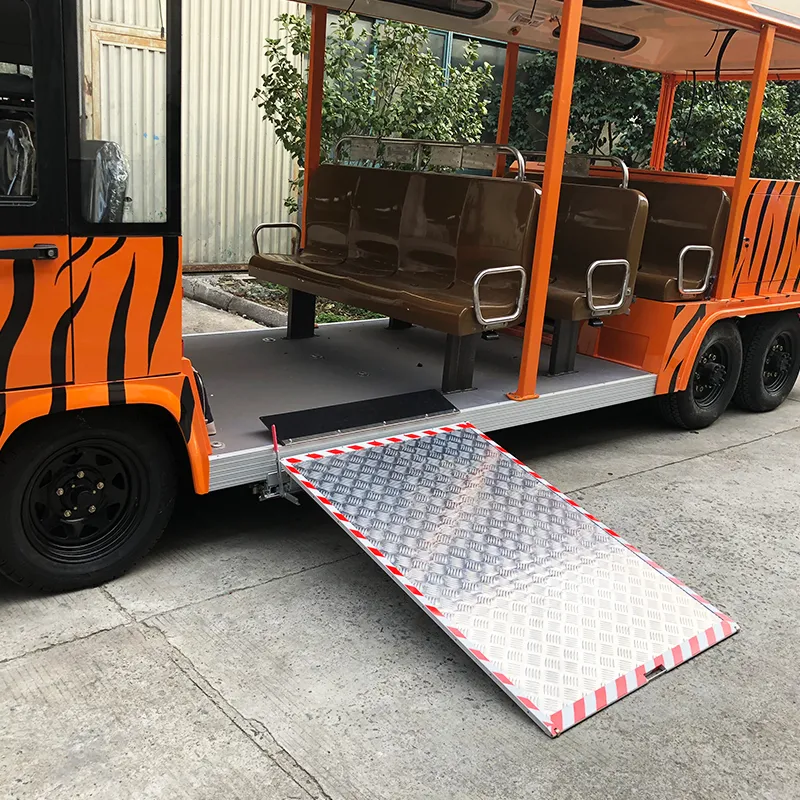
Bus Wheelchair Ramp Functionality: Design, Standards, and Operational Advantages
Mechanics of Deployment: Slope, Width, and Load Capacity for Safe Access
The mechanical design of a bus wheelchair ramp directly determines passenger safety and ease of use. Deployment must comply with ADA standards: powered ramps are limited to a maximum slope of 1:16.7 (6%), while manual ramps may reach 1:12 (8.3%). A minimum width of 30 inches accommodates standard wheelchairs and scooters, and load capacity is set at 600 pounds for ramps over 30 inches in length—sufficient for most mobility devices. Electric or pneumatic activation systems deploy the ramp in four to six seconds, with obstruction-sensing technology to prevent jamming. A firm, slip-resistant surface further reduces fall risk during boarding. Together, these features deliver a safe, predictable, and dignified entry experience.
Why Ramps Outperform Lifts: Speed, Reliability, and All-Weather Performance
Ramps have largely replaced lifts as the preferred access method due to superior speed, reliability, and resilience in varied conditions. While lifts require 20–30 seconds to raise or lower, ramps extend and retract in under 10 seconds—reducing dwell time and improving on-time performance. Their simpler mechanical linkages avoid the hydraulic lines, cables, and seals that make lifts prone to failure in extreme cold or heavy rain. Ramps shed snow and moisture more effectively; lifts, by contrast, accumulate ice and water that can seize moving parts. With fewer components to maintain, ramps also reduce lifecycle costs and increase fleet uptime. For riders, the ramp enables a smooth, level transition from curb to cabin—eliminating the height shifts, vibrations, and instability associated with lift operation.
ADA Compliance and Real-World Gaps in Bus Wheelchair Ramp Implementation
Key Regulatory Requirements: 6% Max Slope, 30-Inch Minimum Width, and Securement Protocols
The Americans with Disabilities Act (ADA) establishes precise technical requirements for bus wheelchair ramps to ensure equitable access. Powered ramps must not exceed a 6% slope (1:16.67), and surfaces must be at least 30 inches wide and slip-resistant. Load capacity must meet or exceed 600 pounds for ramps longer than 30 inches—or 300 pounds for shorter models. Floor-mounted securement tracks and straps are required to stabilize wheelchairs during transit. Yet real-world implementation often falls short: inconsistent maintenance leads to sluggish or nonfunctional ramps, and insufficient driver training compromises proper securement. These gaps erode the safety and independence the ADA intends to guarantee.
Enhancing Independence, Dignity, and Safety Through Reliable Bus Wheelchair Ramp Access
Reducing Physical Strain and Injury Risk During Boarding and Alighting
A well-functioning ramp eliminates the need for manual transfers or unassisted step climbing—both of which pose significant injury risks. The controlled 6% incline allows users to roll on or off steadily, minimizing shoulder strain, pressure injuries, and slips. Integrated handrails and non-slip surfacing enhance stability, especially in wet or icy conditions. For transit agencies, this translates into measurable safety gains: industry data shows accessible ramps reduce boarding-related injuries by over 40% compared to legacy step-lift configurations. That reduction supports both rider well-being and operational liability management.
Psychological Benefits: Autonomy, Reduced Anxiety, and Travel Confidence
Reliable ramp access restores personal agency—enabling passengers to board without assistance and travel on their own terms. This autonomy significantly lowers anxiety tied to unpredictable access, missed connections, or dependence on strangers. Consistent, intuitive operation fosters pre-trip confidence and encourages spontaneous travel for work, healthcare, education, or social engagement. Over time, such predictability strengthens ridership loyalty and reinforces a sense of inclusion. Agencies that prioritize ramp reliability don’t just meet legal obligations—they affirm dignity and build trust across diverse communities.
Seamless Integration: Low-Floor Buses and Bus Wheelchair Ramp in Daily Life
Enabling Access to Employment, Healthcare, Education, and Community Participation
Low-floor buses paired with dependable wheelchair ramps transform public transit from a logistical hurdle into a practical, everyday tool. When combined with vehicle kneel functionality, the ramp provides a near-level boarding interface—letting riders roll directly onto the bus for a job interview, medical appointment, class, or community event. This seamless access reduces reliance on paratransit, which often requires 24-hour advance booking and rigid time windows. According to the 2022 Transit Accessibility Report, accessible fixed-route service correlates with a more than 20% increase in employment rates among people with disabilities. By removing physical and procedural barriers, the ramp becomes more than infrastructure—it’s a conduit to economic participation, health equity, and full civic life.
FAQ
What are the ADA requirements for bus wheelchair ramps?
ADA standards require powered ramps to have a maximum slope of 6% (1:16.67), a minimum width of 30 inches, and a slip-resistant surface. The load capacity must meet at least 600 pounds for ramps over 30 inches in length.
Why are ramps preferred over wheelchair lifts?
Ramps are faster, more reliable, and perform better in varied weather conditions. They reduce dwell time, are simpler to maintain, and provide smoother transitions for passengers.
How do ramps improve rider safety?
Features like controlled incline, non-slip surfaces, and integrated handrails reduce injury risks such as slips and shoulder strain during boarding and alighting.
What are the psychological benefits of reliable ramp access?
Reliable ramps foster autonomy, reduce travel anxiety, and encourage confidence for spontaneous and independent commuting.
How do low-floor buses enhance wheelchair ramp functionality?
Low-floor buses, coupled with ramps, offer near-level boarding, enabling access to employment, healthcare, and education without logistical hurdles.
Table of Contents
- Bus Wheelchair Ramp Functionality: Design, Standards, and Operational Advantages
- ADA Compliance and Real-World Gaps in Bus Wheelchair Ramp Implementation
- Enhancing Independence, Dignity, and Safety Through Reliable Bus Wheelchair Ramp Access
- Seamless Integration: Low-Floor Buses and Bus Wheelchair Ramp in Daily Life
- FAQ