EN
EN

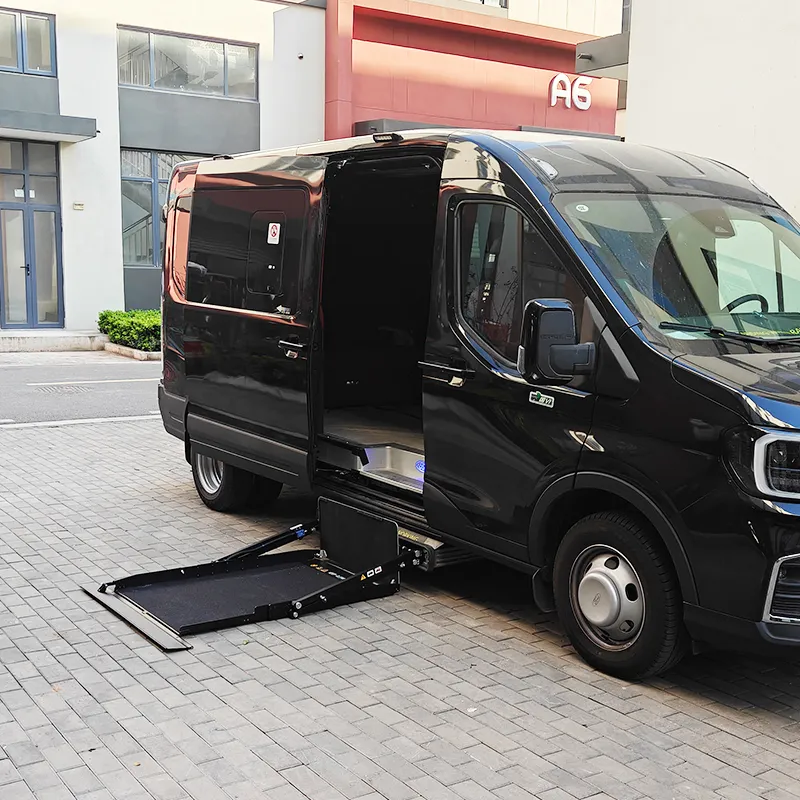
Restoring Personal Independence Through Wheelchair Accessible Vehicles
Eliminating Painful Transfers and Reducing Caregiver Dependence
The core of independence for wheelchair users is the ability to move without physical strain or reliance on others. Traditional vehicle entry often demands a hazardous transfer from wheelchair to car seat—a maneuver that can cause joint stress, skin breakdown, and falls. Wheelchair accessible vehicles eliminate this risk entirely by allowing users to remain seated in their own wheelchair. According to the U.S. Census Bureau, an estimated 3.6 million Americans over age 15 use a wheelchair (2021), many facing daily transfer challenges. By removing the need for that dangerous lift-and-pivot, these vehicles directly reduce shoulder and back injuries among both users and caregivers. A single individual can operate a van with a powered lift or ramp—no longer requiring a family member or aide for every trip. This autonomy relieves the emotional and logistical burden on caregivers while restoring the spontaneity and dignity essential to everyday life. When the vehicle accommodates the wheelchair—not the body—every journey begins and ends with safety and self-determination.
Seamless Entry and Exit via Ramps and Powered Lifts
The most visible symbol of a wheelchair accessible vehicle’s independence is its integrated entry system. Powered lifts and low-angle ramps transform boarding from a multi-person ordeal into a smooth, one-touch operation. A user simply positions their wheelchair, activates a remote or dash-mounted control, and the lift descends, rises, or extends to create a level threshold. Modern vehicles often feature automatic kneeling suspensions that lower the chassis, further reducing ramp incline. With deployment times as fast as 30 seconds, users can enter medical appointments, join family dinners, or escape inclement weather without delay. Such reliability fosters confidence—whether navigating tight parking lots or steep driveways—and turns the vehicle into a seamless extension of personal agency, free from physical barriers.
Expanding Community Access and Social Participation with Wheelchair Accessible Vehicles
Navigating Urban, Rural, and Recreational Environments Confidently
Wheelchair accessible vehicles remove the physical barriers that once confined individuals to limited environments. In cities, a lowered-floor minivan with a ramp allows direct roll-on access from sidewalk to driver’s position—bypassing inaccessible curbs and unreliable public transit. In rural areas—where paratransit is often unavailable—a converted SUV with enhanced suspension handles gravel roads and long distances, making medical visits, grocery trips, and family gatherings consistently achievable. Recreation becomes inclusive: national parks, beaches, and campgrounds are no longer out of reach when secure, comfortable transport and onboard rest space are built-in. This freedom across diverse terrains builds confidence and dissolves isolation, fostering genuine belonging.
Enabling Reliable Attendance at Work, School, and Social Events
Consistent participation in work, education, and community life hinges on dependable transportation. A wheelchair accessible vehicle eliminates the unpredictability of ride-sharing or paratransit schedules, enabling professionals to arrive at the office on time—every day. Students attend classes, labs, and extracurriculars without anxiety over missed pickups. Social events—birthday parties, concerts, religious services—become spontaneous choices rather than logistical puzzles. The ability to say “yes” to a last-minute invitation or stay late at a networking event strengthens relationships and professional networks. This reliability reinforces self-worth and opens doors to career advancement and deeper community integration—proving mobility is foundational to an equitable, engaged life.
Elevating Mental Health and Quality of Life Through Mobility Autonomy
Reducing Decision Fatigue and Anxiety via Predictable, Self-Directed Travel
Constant reliance on others for rides forces a grinding sequence of negotiations, waiting, and unpredictable scheduling. A 2022 occupational therapy survey found that 72% of wheelchair users experienced heightened anxiety when they couldn’t control departure times. Wheelchair accessible vehicles eliminate that mental load by placing the user in charge. Simple errands stop feeling like logistical puzzles; the ability to decide when to leave—without coordinating with a caregiver or dispatcher—slashes daily decision fatigue. This shift from passive passenger to active driver transforms travel from a source of stress into a predictable, calming routine—lowering cortisol spikes and cognitive drain while renewing a sense of calm.
Strengthening Emotional Well-Being Through Consistent Medical Access and Social Inclusion
Reliable transportation directly protects mental health. The CDC (2021) noted that consistent medical access reduces depression symptoms by 30% among mobility-impaired adults. A wheelchair accessible vehicle ensures therapy appointments, specialist visits, and pharmacy runs never hinge on someone else’s availability. Equally vital is re-engagement with social life: attending family gatherings, concerts, or casual coffee dates combats the isolation that often accompanies disability. When a person can simply get in and go, loneliness recedes. Each spontaneous outing rebuilds confidence and reinforces a sense of belonging—demonstrating that emotional well-being is inseparable from the freedom to move.
Ensuring Safety and Confidence with Purpose-Built Adaptive Features
Wheelchair accessible vehicles prioritize safety through purpose-built engineering that standard vehicles cannot match. Integrated four-point tie-down systems and occupant restraint belts meet rigorous crash-test protocols—keeping both wheelchair and user stable during sudden stops. Reinforced flooring and lowered platforms maintain structural integrity, while ramps with non-slip surfaces and automatic barriers prevent roll-offs. Emerging adaptive technologies—including airbags and seat belts that adjust deployment based on occupant size and position—further reduce injury risk. Backup cameras, collision avoidance sensors, and automated door operators enhance situational awareness and minimize accident potential. These layered safety features transform the vehicle into a secure, reliable environment—empowering users to travel with genuine confidence.
FAQs
What is a wheelchair accessible vehicle?
A wheelchair accessible vehicle is a specially designed or modified vehicle that accommodates individuals who use wheelchairs, allowing them to travel while seated in their own wheelchair.
How do powered lifts and ramps enhance accessibility?
Powered lifts and ramps simplify entry and exit by creating a smooth, one-touch system, allowing wheelchair users to board independently without physical strain or caregiver assistance.
Are wheelchair accessible vehicles safe during travel?
Yes, these vehicles are equipped with safety features such as tie-down systems, occupant restraint belts, non-slip ramps, and adaptive technologies to ensure security and confidence while on the road.
Can wheelchair accessible vehicles handle different terrains?
Yes, many models are designed for urban, rural, and recreational terrains, allowing users to navigate cities, gravel roads, beaches, and campgrounds with ease.
How do wheelchair accessible vehicles improve mental health?
They reduce decision fatigue and anxiety by giving users control over their travel schedules, enabling consistent medical access and encouraging social participation to combat isolation.