EN
EN

The Limitations of Standard Vehicles for Handicapped Users
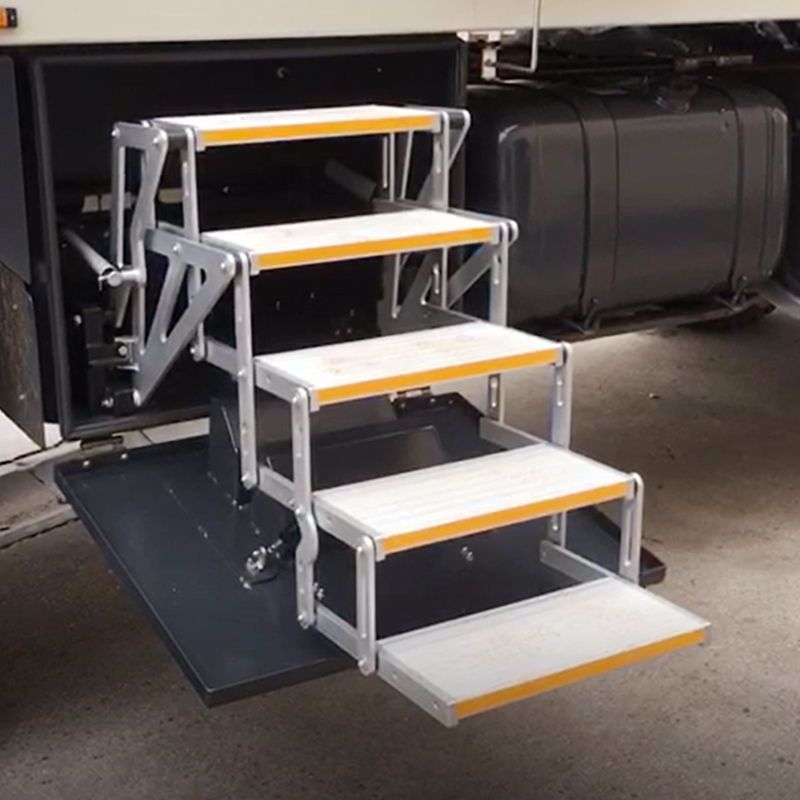
Standard vehicles are engineered for the average driver—overlooking the physical and functional needs of people with disabilities. A conventional sedan or SUV lacks a wheelchair ramp or power lift, forcing unsafe transfers over high sills and through narrow door openings. Interior space is insufficient for wheelchair maneuvering, and securement systems are absent—leaving mobility aids unstrapped during transit. For someone who requires a handicapped vehicle, these shortcomings aren’t mere inconveniences; they pose real safety hazards.
Without adaptive controls—such as hand-operated accelerator and brake levers or steering aids—drivers with limited lower-body function cannot operate the vehicle at all. Standard models also lack visibility systems optimized for seated eye lines, like extended mirrors or strategically positioned backup cameras. These design gaps erode independence, often forcing reliance on others for transportation. Ultimately, standard vehicles fail to support safe, dignified entry, exit, and operation—making thoughtful customization not a luxury, but a necessity for equitable mobility.
How User-Centered Customization Enhances Safety and Independence in Handicapped Vehicles
Standard vehicles often fall short of meeting the unique mobility needs of individuals with disabilities. Generic adaptations risk compromising both safety and autonomy. User-centered customization addresses this gap by grounding modifications in the individual’s specific physical, cognitive, and lifestyle requirements.
Evidence-Based Assessment: Occupational Therapy and Driver Rehabilitation
Customization begins with a comprehensive evaluation by certified driver rehabilitation specialists (CDRS) and occupational therapists. These professionals assess range of motion, strength, coordination, transfer techniques, and environmental context. As recognized by the National Highway Traffic Safety Administration (NHTSA), evidence-based assessments lead to tailored vehicle modifications that reduce driving errors by 35% [NHTSA, 2022]. Such evaluations inform optimal control placement, seating posture, and support systems—minimizing fatigue and maximizing functional capacity behind the wheel.
Core Outcomes: Dignity, Functional Participation, and Seamless Transfers
Properly customized handicapped vehicles deliver three interdependent benefits:
- Dignity Preservation: Ergonomic transfers eliminate undignified maneuvers—enabling autonomous, respectful entry and exit.
- Functional Participation: Custom seating, controls, and visibility systems empower users to drive actively and safely, without excessive strain.
- Seamless Transfers: Integrated lifts, rotating seats, and automated door systems reduce fall risks during entry and exit by up to 50% [CDC, 2023].
Together, these outcomes transform transportation from a logistical barrier into an empowering extension of daily life—supporting independence far beyond the vehicle itself.
Real-World Customization: From Assessment to Adaptive Integration in Handicapped Vehicles
Customizing a handicapped vehicle is a collaborative, iterative process led by occupational therapists and certified mobility equipment specialists. It begins with a functional assessment—not just of physical ability, but of daily routines, home and workplace environments, and long-term goals. This ensures every adaptation serves a clear purpose and aligns with real-world use.
Workflow Example: Specialized Rotating Seat Mechanism Programming and Calibration
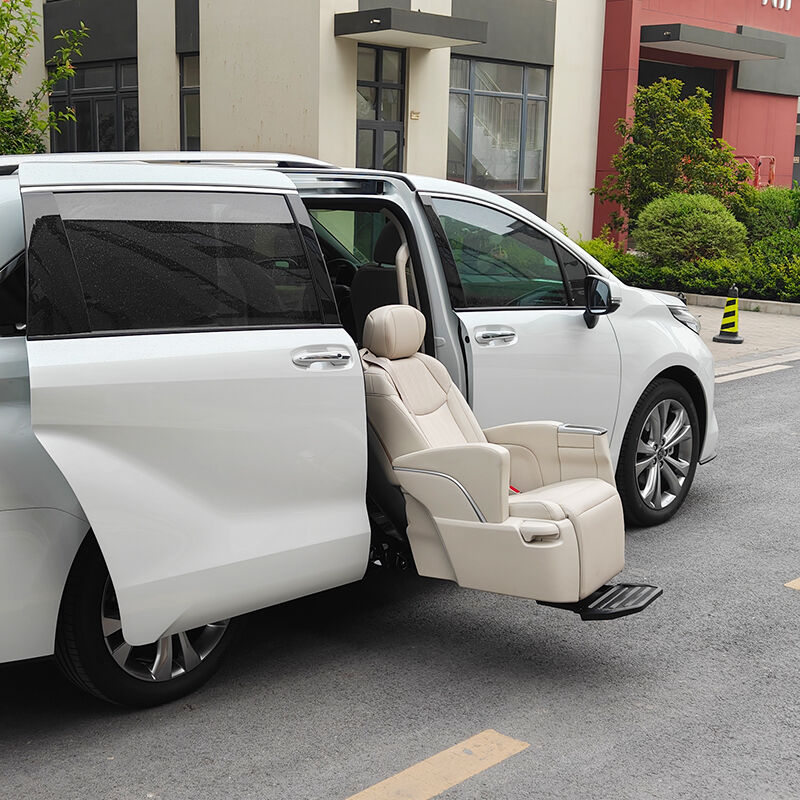
A rotating seat mechanism is a cornerstone adaptation for many wheelchair users—reducing transfer effort while preserving balance and control. Its implementation follows a rigorous, user-informed workflow:
- Occupant Measurement: Technicians record anthropometric data—including seated height, weight distribution, and rotational range—to determine optimal pivot points and support zones.
- Programming: Control software is configured for rotation speed, stopping angles, and safety interlocks (e.g., automatic halt if obstruction is detected).
- Calibration: Engineers validate weight thresholds, emergency stop response times, and integration with vehicle ignition and braking systems.
- User Validation: The occupant performs multiple trial transfers under supervision, refining timing, positioning, and feedback cues until movement feels intuitive and secure.
This precision-driven approach ensures the system enhances—not complicates—daily mobility. All electronic interfaces are integrated with the vehicle’s native controls, and final delivery follows exhaustive real-world testing across varied conditions.
Emerging Trends: Smart, Modular, and Future-Ready Handicapped Vehicle Systems
Modern handicapped vehicle design is shifting toward intelligent, adaptable platforms—moving beyond static adaptations to dynamic, responsive systems. Modular interiors allow reconfiguration as needs evolve, while embedded sensors and connectivity lay the foundation for anticipatory assistance. These innovations elevate safety and independence without sacrificing comfort or usability.
IoT and AI Integration — Voice-Guided Ramps, Biometric Seating, Predictive Adjustments
Internet of Things (IoT) sensors and artificial intelligence now enable voice-activated ramp deployment, eliminating manual effort and reducing transfer time. Biometric seating adjusts lumbar support, seat depth, and temperature based on the driver’s profile—and can even detect subtle shifts in posture to prevent pressure injuries. Predictive algorithms learn travel patterns and pre-configure settings: adjusting mirror angles, seat height, and steering sensitivity seconds before the user approaches the vehicle.
For example, a wheelchair-accessible van equipped with these systems can recognize an approaching user via biometric authentication, deploy the ramp on command, rotate the seat to the ideal transfer position, and warm the seat surface—all before the door opens. The result is a transportation experience that adapts seamlessly to the person—not the other way around.
Table of Contents
- The Limitations of Standard Vehicles for Handicapped Users
- How User-Centered Customization Enhances Safety and Independence in Handicapped Vehicles
- Real-World Customization: From Assessment to Adaptive Integration in Handicapped Vehicles
- Emerging Trends: Smart, Modular, and Future-Ready Handicapped Vehicle Systems