EN
EN

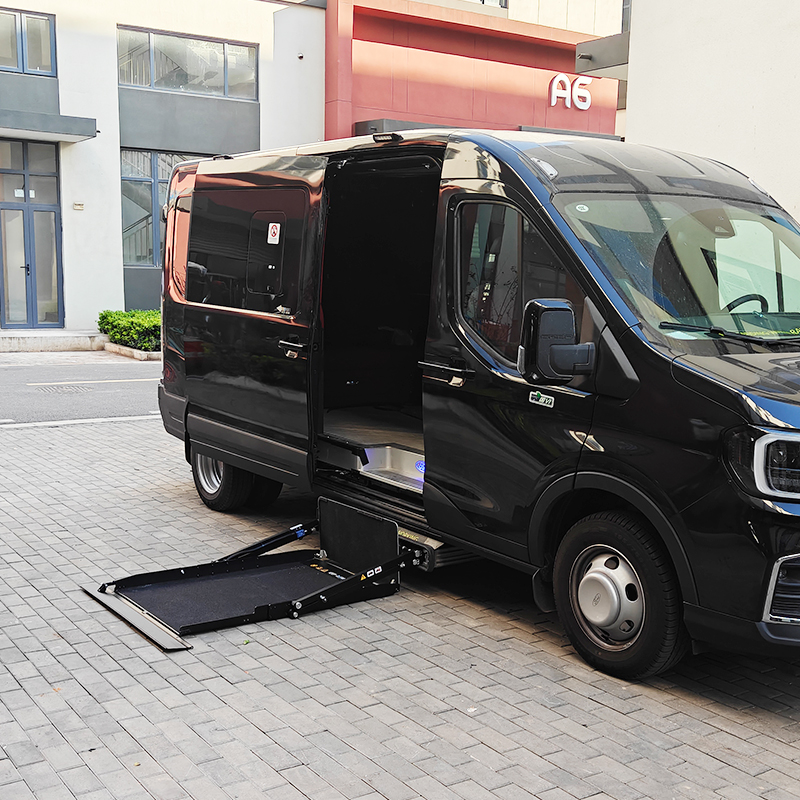
Assess Your Mobility Needs and Lifestyle Requirements
Selecting the right handicapped vehicle begins with an honest evaluation of how you live each day. Start by analyzing your daily routines: Do you commute to work, run errands, or rely on transport for medical appointments? A vehicle aligned with your typical trip distances and frequency will feel intuitive—not burdensome. Next, consider your home environment: garage width, driveway slope, and doorway clearance all influence which platform and entry type will work safely. In tight urban spaces, a compact side-entry conversion is often far more practical than a large rear-entry van. Also think about who rides with you—family members, a service animal, or bulky medical equipment like a ventilator or portable oxygen concentrator. Each affects interior layout and securement needs. Finally, reflect on your physical transfer ability. Some users prefer sliding independently into the driver seat; others need a wheelchair docking station and ramp entry. Matching the vehicle’s ingress method to your strength and balance preserves independence and reduces fatigue. By mapping these lifestyle factors clearly, you avoid costly mismatches and ensure the vehicle becomes a seamless extension of your life.
Select the Optimal Vehicle Platform and Entry Type for a Handicapped Vehicle
Choosing between entry configurations and base vehicles directly affects daily convenience, safety, and long-term satisfaction.
Side-entry vs. rear-entry: daily usability, safety, and urban practicality
Side-entry ramps allow wheelchair users to access the front seat—ideal for independent drivers or those who prefer front-row seating. However, they require wider parking spaces and can be impractical in crowded urban settings. Rear-entry ramps load from the back, making them better suited for tight lots and caregiver-assisted boarding, though they typically limit front-seat access. Safety hinges on ramp stability, unobstructed pathways, and proper integration with WC19-compliant securement systems. For daily use, side-entry supports autonomy; rear-entry prioritizes assisted mobility.
Minivans, mobility SUVs, and all-terrain conversions: matching platform to long-term needs
Minivans remain the top choice for most users due to their low floor height, which simplifies ramp installation and lowers the center of gravity for improved stability. Mobility SUVs offer higher ground clearance and a more rugged aesthetic but sacrifice interior volume and ease of entry. All-terrain conversions provide off-road capability but are rare, significantly more expensive, and less widely supported by certified technicians. Match the platform to your driving frequency, passenger capacity, cargo needs, and typical terrain—not just aesthetics or perceived status.
Prioritize Safety-Certified Adaptive Equipment and Integration
WC19-compliant securement systems and docking station reliability
Prioritize WC19-compliant wheelchair securement systems—rigorously crash-tested at 30 mph and 20g force impacts—to prevent detachment during collisions. Docking stations must meet SAE International standards for durability, demonstrating over 10,000 reliable attachment cycles. Choose models with automatic locking mechanisms and audible confirmation of secure engagement to minimize human error during transfers.
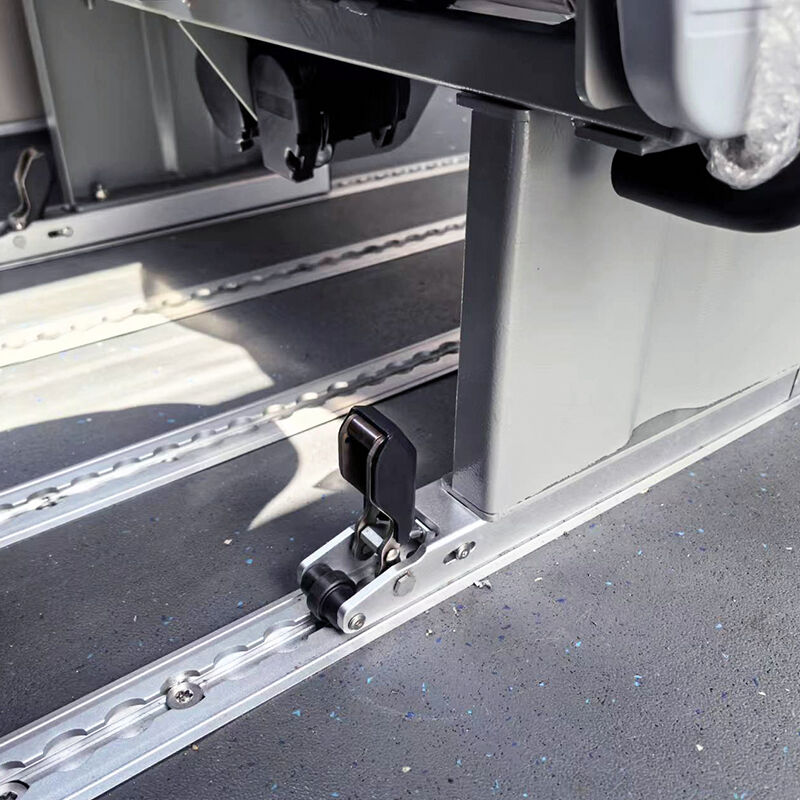
NMEDA certification, crash-tested modifications, and integrated occupant restraints
All adaptive modifications should be performed by NMEDA (National Mobility Equipment Dealers Association) certified professionals. Their accreditation mandates adherence to more than 50 safety protocols—including structural reinforcement, electrical integration, and crashworthiness validation. Certified conversions feature reinforced floor pans rated for 5,000 lb concentrated loads and integrated 3-point occupant restraints that coordinate with wheelchair docking systems. According to peer-reviewed rehabilitation vehicle safety studies, NMEDA-certified installations reduce injury risk by 37% compared to non-certified work.
Evaluate Total Cost of Ownership and Accessible Financing Options
Beyond purchase price: insurance, maintenance, fuel, adaptations, and VA auto grants
The sticker price is only the beginning. Total Cost of Ownership (TCO) includes insurance premiums (often higher for modified vehicles), specialized maintenance (15–30% more than standard vehicles), fuel efficiency (especially relevant for larger platforms), and adaptive equipment costs—ranging from $5,000 to $25,000 depending on complexity. For eligible veterans, the VA Auto Grant program covers the full cost of adaptive equipment, offering critical financial relief. Prioritizing TCO analysis—not just upfront affordability—ensures sustainable independence without compromising safety, functionality, or long-term value.