EN
EN

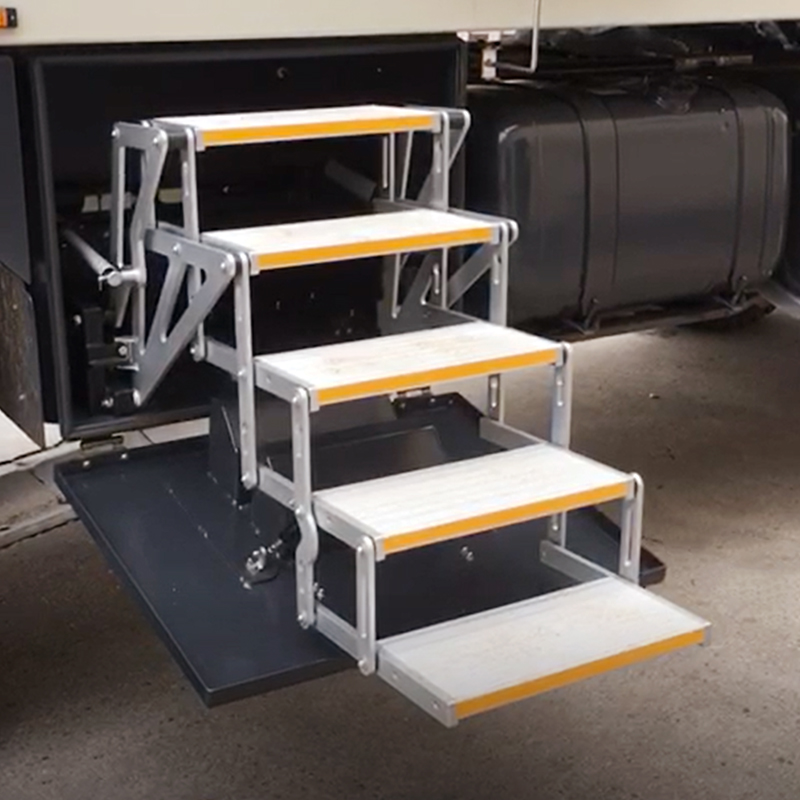
Evaluate Structural Accessibility and Entry/Exit Efficiency
Ramp or Lift Performance, Angle, and Weight Capacity
Prioritize ramp systems with a maximum 1:8 slope ratio—equivalent to a 7-degree incline—to ensure safe, stable wheelchair navigation and prevent tipping. Confirm weight capacity exceeds 600 lbs to support both power wheelchairs and occupants simultaneously, addressing the needs of the vast majority of users who require higher-load capability. Test deployment reliability across temperature extremes and precipitation, verifying slip-resistant surfacing and automatic fail-safes (e.g., stall detection, rollback prevention).
Door Width, Threshold Height, and Seating Transfer Clearance
Ensure door openings meet or exceed 36 inches to accommodate all standard and bariatric wheelchair models. Threshold heights must be no greater than 0.5 inches to eliminate tripping hazards and support smooth transitions. Seating transfer zones require a minimum clear floor space of 30 inches by 48 inches—validated by rehabilitation ergonomics research—to allow safe lateral pivoting and weight-shifting. Latch mechanisms should enable one-handed operation and include emergency override features, especially important for users with reduced grip strength or dexterity. All dimensions must align with universal design principles, including unobstructed knee and toe clearance beneath seating.
Test Adaptive Control Integration and Driver Usability
Steering, Acceleration, and Braking Interface Customization Options
Evaluate how fully primary driving controls can be adapted to individual physical capabilities. Look for programmable interfaces—including adjustable steering sensitivity, pedal extensions, and voice-activated acceleration—that maintain intuitive responsiveness without compromising safety. Critical to usability is retained tactile feedback: electronic steering systems, for example, must preserve road feel to prevent overcorrection. Studies indicate well-designed adaptive systems reduce steering effort by up to 40% (SAE International, 2023), a significant advantage for drivers with limited upper-body strength. Ensure seamless mode-switching—such as transitioning between hand controls and foot pedals—without requiring recalibration or system reboots. Validate performance in real-world conditions: low-speed maneuvering, emergency braking, and highway merging.
Response Latency, Fail-Safe Redundancy, and FMVSS No. 208 Compliance
Measure electronic control latency rigorously: delays exceeding 150 milliseconds in braking response correlate with a 22% increased collision risk (NHTSA, 2024). Require dual-circuit redundancy—e.g., mechanical backup linkages that engage automatically if electronic systems fail. Crucially, verify compliance with Federal Motor Vehicle Safety Standard (FMVSS) No. 208 through third-party certification documents confirming that airbags, seatbelt pretensioners, and other occupant protection systems remain fully functional after conversion. During testing, simulate power loss mid-maneuver: steering must default to manual override without abrupt torque spikes or loss of directional control. Reputable converters supply validation reports demonstrating crash-test equivalency to original equipment manufacturer (OEM) specifications.
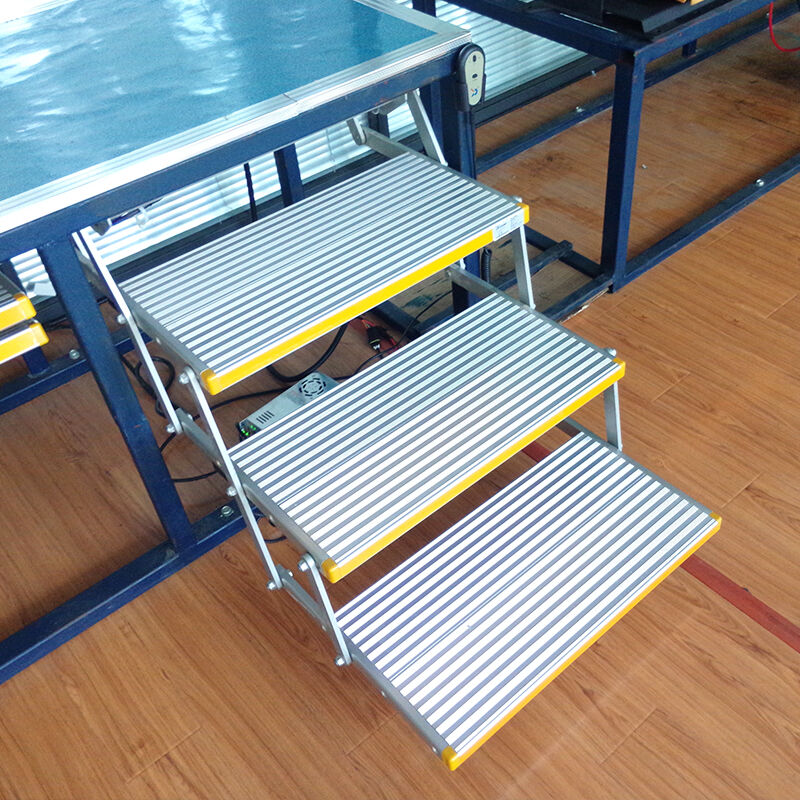
Verify Certification, Post-Conversion Safety, and Long-Term Support
NHTSA Crash Test Data for Modified Chassis and Post-Conversion Integrity
Review NHTSA crash test data specific to the modified chassis—not just the base vehicle—as structural alterations from ramp, lift, or seating installations directly affect crashworthiness. Unlike factory-built accessible vehicles, conversions require post-modification validation against FMVSS criteria for rollover resistance, side-impact protection, and occupant containment. Insist on third-party verification reports from accredited labs detailing reinforcement strategies and how they preserve structural integrity, particularly around cutaway sections and mounting points.
Authorized Service Network Coverage and Warranty Coverage for Adaptive Components
Confirm access to an authorized service network with certified technicians trained specifically on adaptive systems before purchase. Leading converters offer 3–5 year warranties on the conversion itself—but carefully review terms:
- Whether coverage transfers upon resale
- Whether labor and parts are both included
- Exclusions for high-wear components like ramp motors or hydraulic actuators
- Guaranteed response times for roadside assistance (e.g., under two hours in metro areas)
Warranty language must explicitly address failure modes unique to accessibility systems—including control module faults, hydraulic leaks, and sensor misalignment—to ensure long-term reliability and protect against unexpected repair costs.