EN
EN

Restoring Autonomy: How a Handicapped Vehicle Enables True Independence
The Mobility Gap: Challenges Faced Without Reliable Adaptive Transportation
Without access to a properly equipped handicapped vehicle, individuals with mobility limitations face significant barriers to independent living. Public transportation systems often lack universal accessibility features like wheelchair ramps or priority seating, creating unpredictable commutes. Ride-sharing services rarely accommodate specialized equipment needs, while relying on family members for transportation erodes personal agency. This transportation gap leads to isolation—nearly 25% of working-age adults with disabilities report transportation barriers prevent access to medical care (CDC, 2022). Manual transfers into standard vehicles risk falls and pressure injuries, particularly for those using wheelchairs. Adaptive transportation solutions bridge this gap by eliminating physical barriers to vehicle entry and operation.
From Dependence to Self-Determination: Real-Life Impact on Employment, Education, and Social Life
Handicapped vehicles transform dependence into self-directed mobility, creating tangible quality-of-life improvements. For employment, adaptive vehicles enable reliable commuting—workers using adapted vehicles report 30% higher on-time arrival rates compared to those dependent on paratransit (Journal of Transport & Health, 2023). In education, students gain autonomy to attend classes, study groups, and campus events without scheduling constraints. Socially, users report 40% more community engagement activities monthly when using personal adapted vehicles versus alternative transportation (Mobility Equipment Journal, 2022). The psychological impact is equally significant: 78% of new adaptive vehicle users report reduced anxiety about spontaneous travel within six months of ownership. This autonomy restoration directly supports fuller participation in societal roles previously limited by transportation barriers.
Safety and Accessibility Engineering in Modern Handicapped Vehicles
Lifts, Ramps, and Securement Systems: Preventing Transfer-Related Injuries
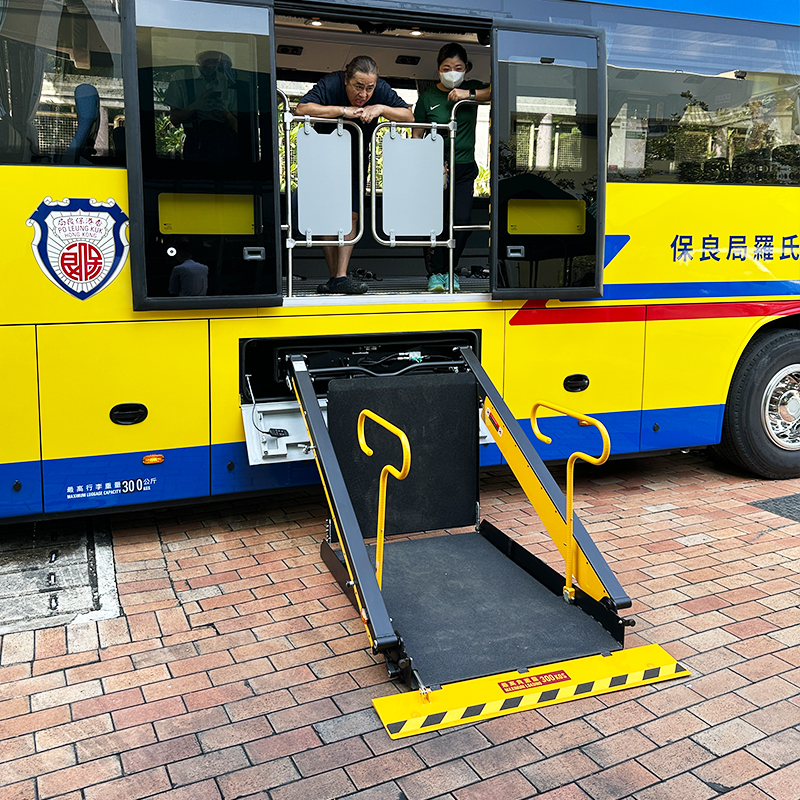
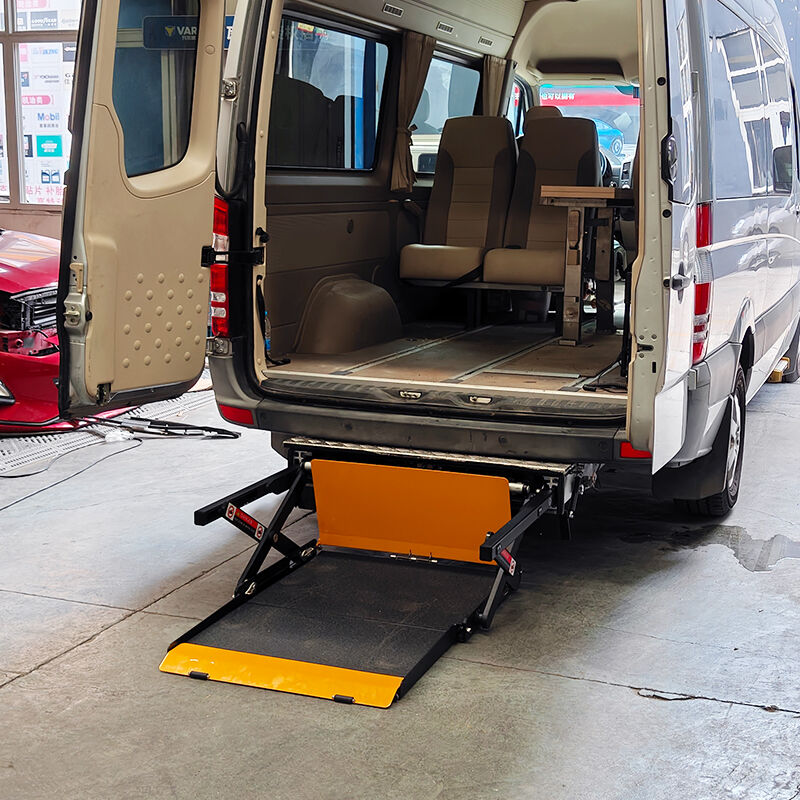
Modern handicapped vehicles integrate advanced lifts and ramps to minimize physical strain and fall risks during entry and exit. Automatic side-entry ramps with low-angle slopes allow smooth wheelchair boarding without heavy lifting. In-floor ramp systems eliminate manual handling and reduce the chance of tip-overs. Inside the vehicle, wheelchair securement systems—including retractable tie-downs and docking stations—lock the wheelchair firmly in place. These systems prevent sudden movement during turns or stops, which can otherwise cause serious injury to both the user and passengers. Proper training on using these components further reduces transfer-related accidents, ensuring daily use remains safe and efficient.
Crash-Tested Adaptations and ADA-Compliant Design Standards
Every structural modification in a handicapped vehicle—such as lowered floors, reinforced flooring, and adapted seating—undergoes rigorous crash testing to meet federal safety standards. These tests verify that wheelchair securement points, seat belts, and occupant restraint zones perform reliably in impact scenarios. Compliance with the Americans with Disabilities Act (ADA) ensures ramp slopes, doorway widths, and interior clearance accommodate all wheelchair sizes and types. Manufacturers also follow guidelines from the National Mobility Equipment Dealers Association (NMEDA) to guarantee installations preserve the original vehicle’s safety cage. Together, these engineering standards give users peace of mind that their adapted vehicle provides the same level of protection as a standard automobile.
Personalized Adaptation: Matching Handicapped Vehicle Features to Individual Needs
Hand Controls, Steering Aids, and Smart Integration for Diverse Functional Abilities
Handicapped vehicles empower users through precise customization. Individuals with limited lower limb mobility often utilize push-pull hand controls, replacing traditional pedals. Steering modifications like spinner knobs or reduced-effort systems address upper body strength challenges. Modern vehicles integrate smart technologies such as voice-activated controls and customizable interfaces, accommodating diverse needs. These adaptations transform driving from a challenge into an achievable, independent activity.
Clinical Guidance: Aligning Vehicle Modifications with CDC and ACL Functional Assessments
Professional evaluation ensures safe, effective adaptations. Clinicians use standardized tools like the CDC’s functional assessment protocols and the Administration for Community Living (ACL) guidelines to determine necessary modifications. This evidence-based approach matches vehicle features—from seat transfers to driving controls—to individual physical capabilities. A 2023 study by mobility specialists showed that clinically guided adaptations reduce injury risk by 42% compared to non-assessed modifications.
Long-Term Health and Quality-of-Life Benefits of Consistent Handicapped Vehicle Use
Consistent use of a handicapped vehicle directly preserves physical health by eliminating the strain and risk of unsafe transfers. Without reliable adapted transportation, users often skip medical appointments or rely on informal help, accelerating musculoskeletal deterioration. A properly equipped vehicle lets individuals attend regular checkups, therapy sessions, and wellness activities without delay, reducing secondary complications such as pressure sores or joint degeneration.
Over time, this reliable mobility infrastructure supports a higher quality of life by sustaining employment and social engagement. Users report lower rates of depression and anxiety when they can spontaneously visit friends, run errands, or participate in community events. The handicapped vehicle becomes a protective factor against isolation, keeping the user connected to their routine and support network.
Additionally, consistent transport reduces caregiver burden. When a person can self-transport, family members reclaim their own time and energy—lowering the risk of caregiver burnout and strengthening household well-being. In sum, the long-term return on a handicapped vehicle is measured not only in miles traveled but in preserved independence, maintained health, and sustained social ties.
Table of Contents
- Restoring Autonomy: How a Handicapped Vehicle Enables True Independence
- Safety and Accessibility Engineering in Modern Handicapped Vehicles
- Personalized Adaptation: Matching Handicapped Vehicle Features to Individual Needs
- Long-Term Health and Quality-of-Life Benefits of Consistent Handicapped Vehicle Use