EN
EN

Evaluating Core Accessibility Features of an Accessible Vehicle
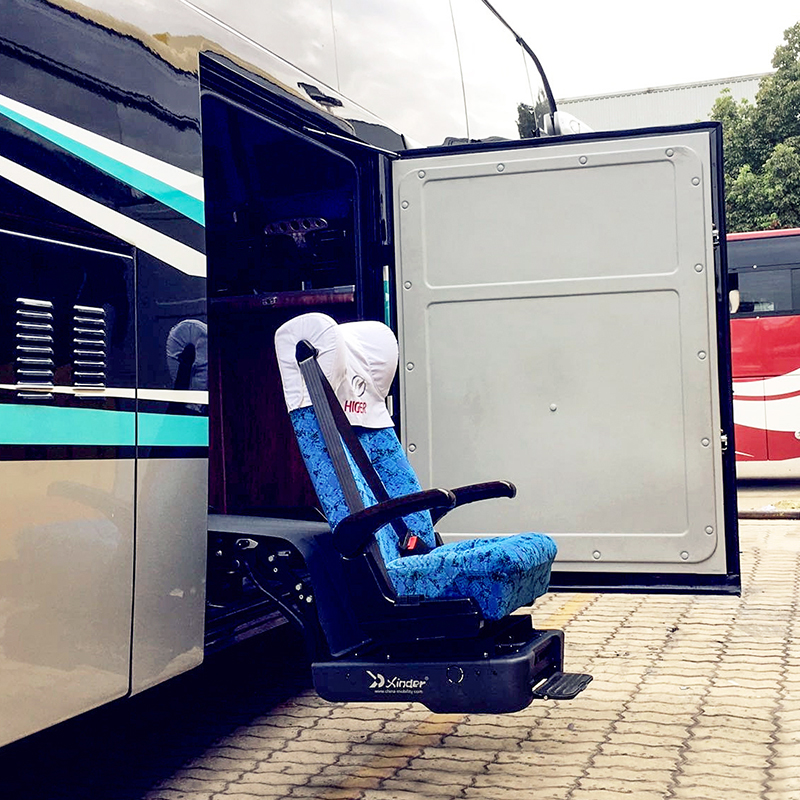
Ramp or Lift Systems: Manual vs. Power, Width, and Safe Deployment
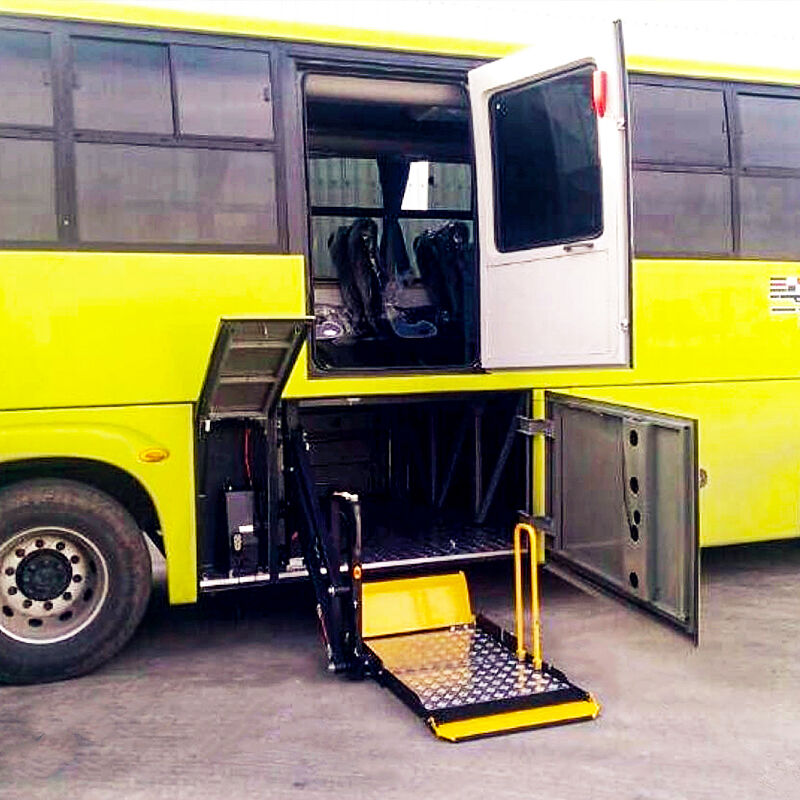
The type of ramp or lift chosen makes all the difference when it comes to both independence and staying safe. Manual options tend to be reliable and come with lower initial costs, though they do need some physical effort to deploy, which can be tough for someone who needs to use them often or alone. On the other hand, power operated ramps and lifts provide much easier access through simple button controls, making these types generally better suited for regular usage. When looking at specs, a good rule of thumb is to go with at least 30 inches wide for most standard wheelchairs. Safety matters too so things like non slip surfaces and sensors that detect obstacles become really important. According to data from last year's Mobility Equipment Survey, well maintained electric lifts actually cut down on boarding injuries by around two thirds. And don't forget to check if the weight limit listed on the equipment is higher than what someone weighs plus their wheelchair by roughly a quarter extra just to have some breathing room for safety.
Entry Dimensions and Interior Space: Door Opening, Headroom, and Driver/Passthrough Line-of-Sight
For wheelchair access to work properly, the door needs at least 36 inches of width and there should be no less than 56 inches of vertical space available. This kind of clearance makes it possible for wheelchairs to pass through without issues and allows for safer transfers between seats. When headroom drops below 54 inches, studies from the Accessibility Journal in 2023 show that collisions happen about 38% more often when someone is getting on board or moving around inside. The interior design matters too. Both drivers and passengers need good visibility throughout the vehicle. That means placing consoles where they don't block views and keeping areas free from partitions so everyone can see what's happening around them, especially important if something goes wrong suddenly. Inside the cabin itself, an aisle that's at least 32 inches wide gives wheelchair users enough room to move comfortably. Before buying anything though, it's really worth testing out entry points on flat ground as well as sloped surfaces. Anything with an incline over 7 degrees just isn't stable enough and poses real risks of falling accidents when people try to get aboard.
Selecting the Right Accessible Vehicle Configuration for Your Needs
Side-Entry vs. Rear-Entry Vans: Independence, Cargo Flexibility, and Urban Practicality
The side entry setup really helps drivers maintain their independence since it lets wheelchairs move directly into the driver's seat position without taking away space for other passengers there can still be room for three or four folks sitting alongside. These vehicles are great for getting on and off at street level in busy city areas where space is tight. On the flip side, rear entry models tend to save money and take up less parking space. Boarding usually goes quicker too, though not necessarily exactly 30 percent faster as some claim. Plus, there's plenty of cargo area behind those back seats when needed. Sure, rear entry works well enough for regular passengers or people helping someone get in, but most wheelchair drivers stick with side entry options because they just work better overall for this particular group.
Van vs. SUV Conversions: Balancing Fuel Efficiency, Parking Ease, and Structural Safety
When comparing vans and SUVs for accessibility needs, there are clear pros and cons to consider. Vans typically get around 18 to 22 miles per gallon on highways if properly modified with lifts. They also give plenty of headroom inside, often over 60 inches because of those lowered floors. However, these modifications need stronger frames to keep everything safe and stable. On the other hand, SUVs make parallel parking much simpler and sit higher off the ground which helps navigate rough terrain. But once converted for wheelchair access, the interior space gets pretty tight, usually shrinking down to about 50 inches wide. This makes it difficult for wheelchairs to turn comfortably and reduces overall passenger comfort. No matter what vehicle type someone chooses, meeting WC19 safety standards remains absolutely critical. These standards test how well wheelchair restraint systems hold up during accidents at speeds up to 30 mph with forces equivalent to 20g. Passing these tests ensures people stay protected in case of unexpected crashes.
Verifying Safety Compliance and Partner Credibility for Your Accessible Vehicle
NMEDA Certification, WC19 Crash Testing, and ADA Alignment as Essential Safeguards
When it comes to mobility vehicle safety, third party checks really matter. The NMEDA certification means dealers have met strict requirements regarding their quality control processes, staff training programs, and workshop facilities for making those vehicle modifications. Crash tests under the WC19 standard aren't optional at all. These tests show whether the wheelchair restraint systems and structural changes to the vehicle can handle front impact forces as specified by regulations while keeping passengers safe. Getting things right with ADA guidelines makes sure everything works smoothly with city infrastructure like sidewalk ramps and bus stops, which helps people move around communities without barriers. Putting all these together creates real safety benefits. Vehicles that pass these tests cut down injury risks significantly compared to regular conversions. Recent research from 2023 shows certified models actually reduce injuries by about 42 percent over standard modified vehicles.
Why NMEDA-Certified Dealers Provide Superior Structural Integrity and Long-Term Support
Dealers who carry NMEDA certification go through strict facility inspections plus continuous technical training programs. This ensures that when they do frame reinforcements, work on load paths, or make modifications integrated with original equipment manufacturers, everything meets pretty high standards. What sets these dealers apart from regular aftermarket shops is their use of special methods that actually keep the car's original structure intact while maintaining crash safety features. The service doesn't stop at installation either. These certified partners offer technical help for life, stick to manufacturer warranty terms, and hand over all the necessary ADA compliance papers which are really important for insurance purposes, adaptive driving evaluations, and keeping vehicle value when it comes time to sell. According to industry numbers, cars modified by NMEDA certified dealers need about two thirds fewer repairs after purchase during a five year period. That speaks volumes about both their reliability over time and the money saved in maintenance costs down the road.
Understanding Total Cost of Ownership for an Accessible Vehicle
When considering how much an accessible vehicle actually costs, people often forget to look at everything beyond just what's on the sticker. Total cost of ownership isn't something most folks think about upfront but it covers all expenses throughout the car's life span. The math works roughly like this: take what you paid initially for the vehicle itself plus any modifications needed for accessibility. These can get pretty expensive too. Installing ramps or lifts usually runs between seven thousand five hundred dollars and twenty grand, depending on exactly what kind of modification is required. Then there are ongoing costs like gas money, insurance premiums, regular maintenance checks, special repairs for accessibility features such as replacing lift motors, along with other consumables that wear out over time. What happens when we sell the car matters too. After five to seven years, the resale value drops significantly. However, cars modified according to high standards tend to hold their value better. Industry data shows that vehicles meeting certain quality certifications maintain around thirty percent more value compared to those without proper certification. So even though these certified vehicles might cost fifteen to twenty percent more at first glance, they often end up being cheaper overall because they last longer and need fewer repairs down the road. Getting fixated only on the initial price tag could lead to big surprises later on due to things like early breakdowns, constant fixes, or losing most of the car's value before it's even halfway through its expected lifespan.