EN
EN

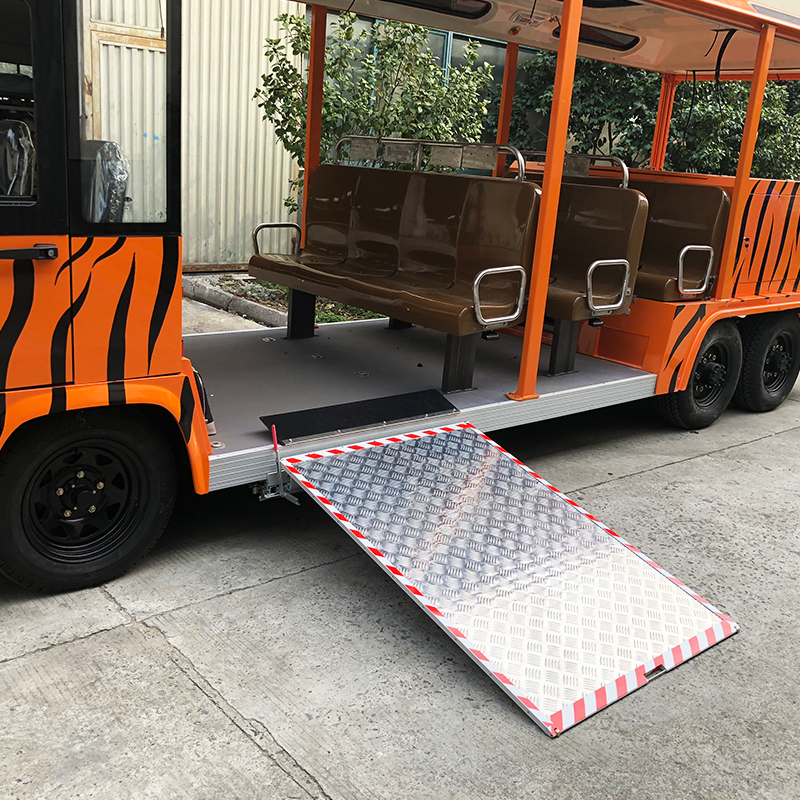
How Electric Steps Differ from Conventional Stair Solutions for Disabled Users
Electric steps give people much better mobility options compared to those fixed ramps or lifts that take up so much space. Think about it this way: regular ramps need a lot of room just lying there all the time, while stair lifts only work if they're installed on straight rails. Electric steps are different because they can move around and fold back when not needed. This makes them really useful for tight spaces like narrow hallways, older buildings being updated, or houses with multiple levels where putting in traditional ramps just isn't practical. What actually happens underneath is pretty cool too. These steps have motors that make the treads unfold automatically based on where someone stands. They know when to go up or down without anyone telling them what to do, which is totally unlike those old fashioned accessibility devices that just sit there waiting to be used.
The main differences really come down to how fast they can be used and who controls them. Traditional ramps mean making permanent changes to buildings, while chair lifts take extra time for people to board properly. Electric versions work differently though. They can start moving almost instantly when someone presses a button or gives a voice command. But there's a catch with all that flexibility. Since these systems don't have fixed rails, getting wheelchairs or walkers onto them needs just the right positioning and good surface design. Power is another big issue too. If the batteries run out or there's a power failure, nobody wants to be stuck halfway up stairs. Safety becomes super important here, especially since these devices move on their own. Manufacturers need to build in proper safeguards that protect users but still allow smooth operation. After all, we're talking about something that sits somewhere between regular handrails and complete stair lifts. That's exactly why special safety rules matter so much for these newer electric steps systems.
Critical Safety Risks Unique to Electric Steps: Failure Modes and Real-World Hazards
Electric steps introduce distinct hazards beyond conventional ramps or lifts, demanding specialized safety considerations for disabled users.
Mechanical, Electrical, and Control System Failure Points
When motors fail, sensors misfire, or control boards go haywire, machines often come to sudden stops or start moving uncontrollably. We've seen power fluctuations happen quite frequently too, actually affecting around one out of every four non-medical grade units on the market today. These fluctuations definitely increase the chances of people getting stuck somewhere they shouldn't be. According to recent data from the Consumer Product Safety Commission back in 2023, about 34 percent of all accidents involving electric steps were caused by mechanical jamming issues. And let's not forget about the financial hit either - facilities typically face repair bills hovering around $740,000 each time there's a lawsuit following an incident. What makes things even worse is that unlike traditional static ramps, these modern moving platforms don't have backup components built into those vital load bearing areas. So basically, what this means is that any small failure becomes a full blown emergency situation almost instantly.
Interaction Risks with Wheelchairs, Walkers, and Powered Mobility Devices
When wheelchair casters or walker legs get stuck in those little expansion joints or edge gaps, it really increases the risk of tipping over. Studies show this happens about 40% more often than when someone is standing still on flat ground. Then there's the issue with powered mobility devices that go over their weight limit. These tend to put extra strain on the drive system in ways nobody expects, and according to CDC data from 2023, this contributes to roughly 28% of all falls related to steps for people with mobility issues. And let's not forget about environmental stuff either. Rain makes things slippery, slopes throw off balance completely, and sometimes even when something meets ADA standards for width, it just isn't enough for a safe transfer when conditions aren't perfect.
Regulatory & Design Gaps: Why Many Electric Steps Fall Short of True ADA-Aligned Safety
Beyond Minimum Compliance: Where ADA Standards Lag for Dynamic Access Equipment
The Americans with Disabilities Act sets important accessibility standards, but when it comes to things like fixed ramps and lifts, the technical specs just aren't keeping up with what electric steps actually need to function properly. Electric steps have all sorts of moving components, built-in sensors, and require interaction from users something completely different from those static installations we see everywhere else. According to a recent accessibility report from last year, around two thirds of existing ADA regulations simply don't include any kind of testing procedures for situations that happen in real life, such as when there's an unexpected power outage or when sensors get blocked while deploying the steps. Because of this gap in regulation, companies are basically left to certify their own products against these incomplete safety standards, which means they might miss out on spotting serious problems like steps retracting without warning or becoming unstable when weight shifts around. Real safety isn't just about meeting basic structural requirements anymore it needs to cover how these devices perform in motion and hold up against various environmental conditions too.
Market Reality: Consumer-Grade Electric Steps vs. Medically Validated Safety Benchmarks
A lot of electric steps sold for home access tend to focus on keeping prices low rather than making sure they meet proper safety standards, which means they don't quite reach what's needed for clinical grade equipment. Medical mobility devices go through strict ISO 7176 tests looking at things like stability, how long they last, and what happens when something goes wrong. But most consumer electric steps just don't have that same level of independent checking from outside experts. Research shows these regular models actually break down around 27% more frequently compared to their medically approved counterparts after about 18 months of normal use. There are several big issues here too. Many products haven't been properly tested for weight capacity while moving between positions, they often miss out on good protection where people get on and off, and there's not much evidence showing how well emergency stops work in actual situations. The difference between these products really matters because mixing up everyday durability with the kind of safety guarantees that disabled individuals need for getting around independently can lead to serious problems down the road.
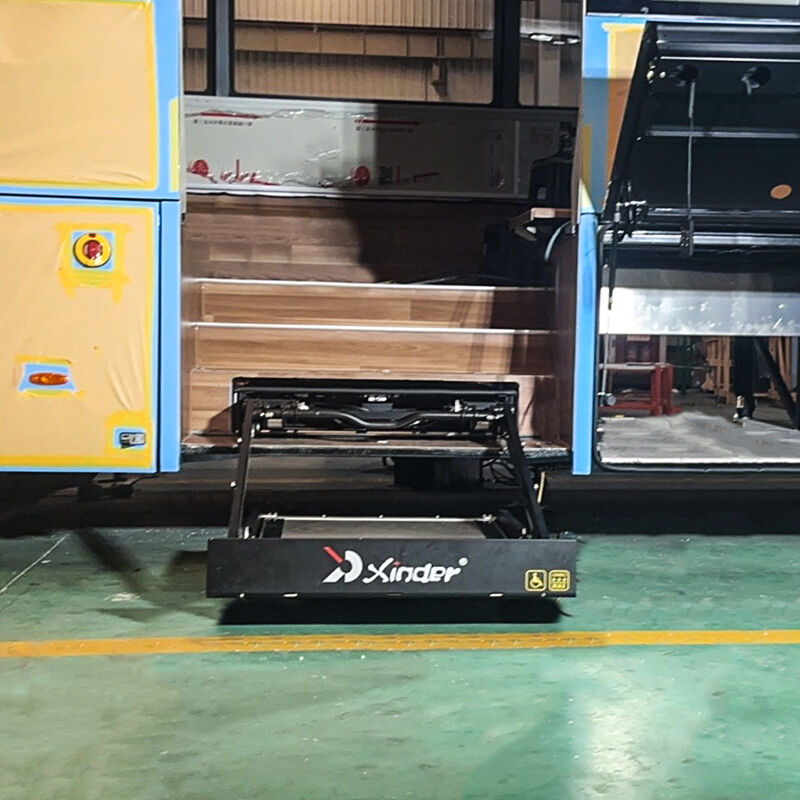
Proactive Safety Integration: Handrails, Surfaces, Lighting, and Environmental Context
Layered Safety Design: How Non-Slip Treads, Adaptive Lighting, and Structural Redundancy Reduce Fall Risk
A multi-faceted approach to safety significantly mitigates hazards for disabled users of electric steps. Critical components include:
- Handrails: Ergonomically designed for optimal grip and leverage, reducing instability during transitions.
- Non-slip treads: Textured surfaces maintain traction in wet conditions, decreasing slip-related incidents by up to 42%.
- Adaptive lighting: Auto-adjusting LEDs illuminate edges and transitions, addressing low-vision risks. Studies show proper lighting cuts misstep accidents by 37%.
- Structural redundancy: Backup load-bearing mechanisms prevent catastrophic failure if primary components malfunction.
The design approach these days goes well past what's required by ADA standards. Take those color contrast treads at the edge of steps they really help folks who struggle with depth perception see where they're stepping. And there are these smart materials now that sense moisture and kick in anti-slip properties when it rains. These kinds of improvements actually tackle something serious financially speaking the average medical bill from falls runs around 740 thousand dollars. Big name companies in this space are starting to think about real world conditions too. Some have developed slope detecting tech that automatically adjusts step angles on tricky terrain. Makes sense when you consider how many people end up injured because traditional designs don't account for actual walking environments.
User Empowerment Through Training, Maintenance, and Informed Selection of Electric Steps
Evidence-Based Training Needs and Preventive Maintenance Protocols
Effective safety begins with evidence-backed protocols. Structured training programs for users and caregivers reduce operational errors by 30%, as shown in facility operators implementing standardized frameworks. Critical components include:
- Hands-on skill drills simulating emergency stops and incline transitions
- Monthly inspection checklists for traction strips, rail alignment, and battery terminals
- Environmental hazard modules covering rain, slope limits (±3°), and ADA clearance requirements
Preventive maintenance extends beyond basic cleaning; it requires calibrated torque testing of hinge mechanisms and load-bearing validation every 200 cycles. Facilities adopting bimonthly diagnostic protocols report 68% fewer mechanical failures. This systematic approach transforms users from passive operators into proactive safety partners, directly reducing fall-related injuries.
Table of Contents
- How Electric Steps Differ from Conventional Stair Solutions for Disabled Users
- Critical Safety Risks Unique to Electric Steps: Failure Modes and Real-World Hazards
- Regulatory & Design Gaps: Why Many Electric Steps Fall Short of True ADA-Aligned Safety
- Proactive Safety Integration: Handrails, Surfaces, Lighting, and Environmental Context
- User Empowerment Through Training, Maintenance, and Informed Selection of Electric Steps