EN
EN

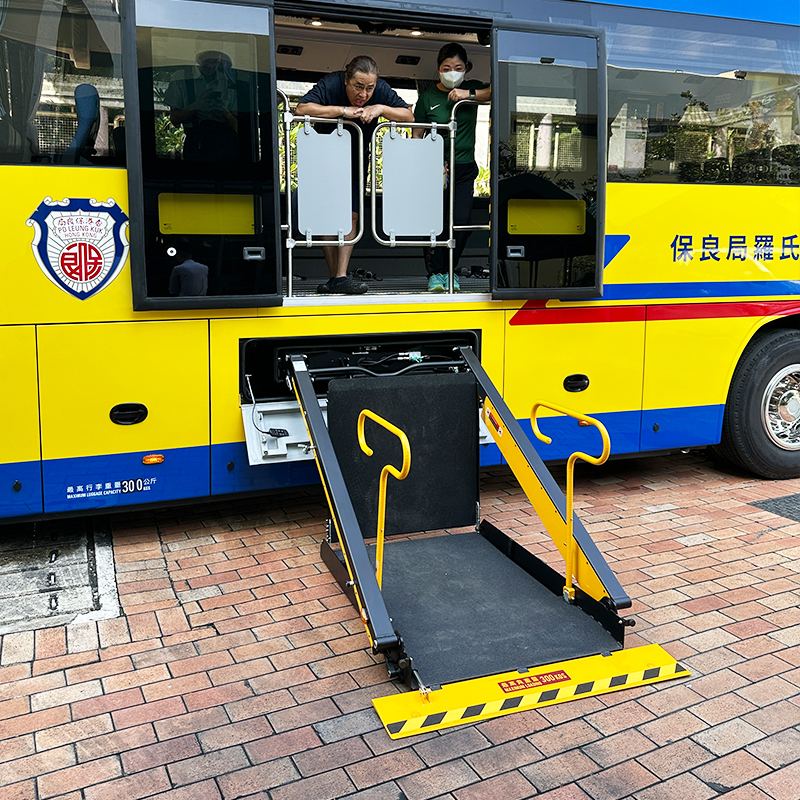
Restoring Independence Through Temporary, Wheelchair-Accessible Mobility
Access to a reliable wheelchair-accessible vehicle directly transforms daily life. For many, a short-term rental provides the same freedom as ownership—without the long-term commitment, financial risk, or logistical complexity. This section explores how temporary access combats isolation and eases financial burdens, empowering users with immediate, dignified mobility.
Breaking Geographic and Social Isolation with On-Demand Handicapped Vehicle Access
Geographic limitations often trap individuals with mobility challenges, preventing them from visiting family, attending medical appointments, or participating in community events. A temporary wheelchair-accessible vehicle rental bridges that gap instantly. With a fully equipped van or SUV—featuring integrated ramps, secure tie-downs, and ADA-compliant seating—users can navigate familiar routes or explore new destinations without relying on inaccessible public transit or costly, unpredictable ride-hailing services. Social isolation diminishes when spontaneous trips become possible: renting for a weekend enables attendance at a family reunion, local festival, or neighborhood gathering—rebuilding connections that rigid schedules or transportation barriers previously blocked. The key is on-demand availability: booking the exact vehicle type needed for the specific trip, then returning it when done. This flexibility ensures no one feels confined at home simply because their personal vehicle lacks accessibility modifications.
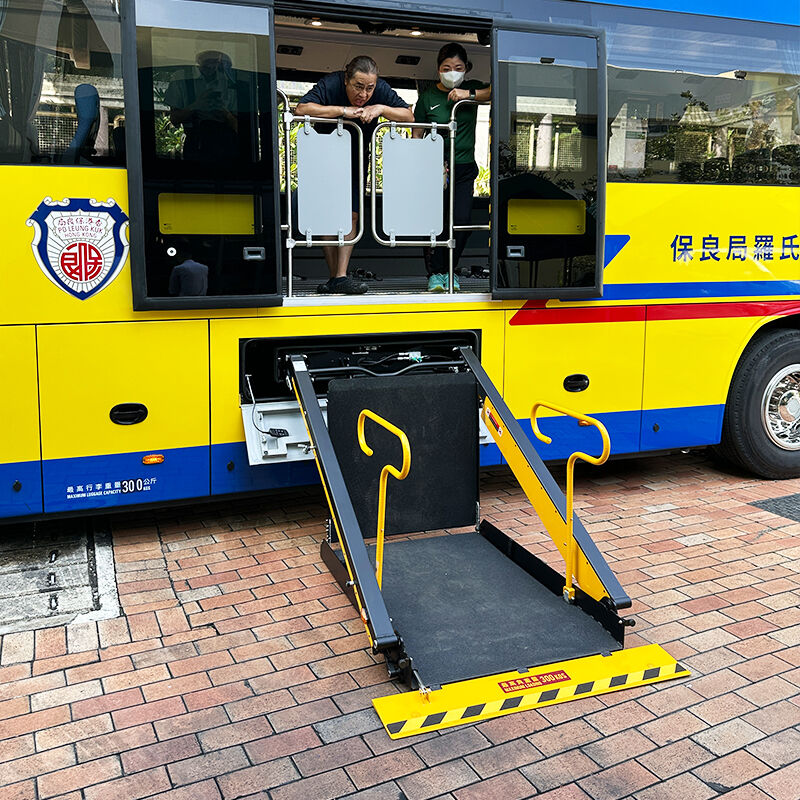
How Short-Term Rentals Empower Autonomy Without Ownership Burden or Modification Costs
Purchasing a wheelchair-accessible vehicle typically requires an upfront investment of $40,000–$80,000, while modifying an existing vehicle can cost over $20,000 and take weeks to complete (Industry Benchmark Report, 2024). Short-term rentals eliminate both the capital outlay and the modification hassle. Users pay only for the days they need the vehicle—avoiding insurance premiums (often 20–30% higher than standard vehicles), registration fees, specialized maintenance averaging $1,200 annually, and rapid depreciation. Rentals also offer a low-risk opportunity to test different configurations—such as a minivan with a rear ramp versus a full-size van with a side-entry lift—before committing to a purchase. This trial period supports informed decision-making while preserving full independence during evaluation. Because rental fleets are regularly updated, users gain access to modern safety features—including crash-tested seating and reinforced frames—without long-term financial ties. The result is truly autonomous mobility: control over when, where, and how to travel, with no strings attached.
Safety and Compliance: ADA-Standard Features in Modern Handicapped Vehicles
Integrated Ramps, Securement Systems, and Crash-Tested Seating for Reliable Transport
Modern wheelchair-accessible vehicles prioritize safety through rigorous adherence to Americans with Disabilities Act (ADA) standards. Integrated ramps feature slip-resistant surfaces and support over 600 pounds, enabling stable, assisted-free boarding (ADA Accessibility Guidelines, 2023). Inside, four-point wheelchair securement systems—paired with crash-tested, FMVSS-compliant seating—reduce injury risk by 72% compared to non-compliant alternatives (NHTSA, 2022). Reinforced chassis, lowered floors, and optimized weight distribution maintain center-of-gravity stability, minimizing rollover risk and enhancing handling. Together, these features ensure reliable protection throughout every journey—from routine medical appointments to multi-day family trips—making temporary rentals a trusted, compliant mobility solution.
Cost Efficiency and Practical Flexibility of Handicapped Vehicle Rentals
Comparing Rental vs. Purchase vs. Vehicle Modification: Total Cost of Ownership Analysis
Renting a wheelchair-accessible vehicle offers clear economic advantages over purchasing or modifying a personal vehicle. While new accessible vans range from $40,000 to $80,000—and permanent modifications often exceed $20,000—rentals convert large capital expenditures into predictable, usage-based operational costs. Ownership also carries hidden expenses: elevated insurance premiums, specialized maintenance, and steep depreciation—especially given that the average American vehicle sits idle 95% of the time (U.S. Department of Transportation, 2023). For users who require accessibility support intermittently—whether for recovery, travel, or special events—rental is not just convenient but financially rational.
Rising Demand for Short-Term Handicapped Vehicle Rentals in Medical, Travel, and Event Contexts
Healthcare mobility needs drive approximately 62% of short-term rentals, particularly during post-surgical recovery periods when patients require temporary, compliant transport. Travel demand is growing rapidly: accessible vacation vehicle requests rose 38% year-over-year (Travel Industry Association, 2024), as families increasingly rent for destination weddings, reunions, and intergenerational trips—accommodating elderly or disabled relatives without permanent modifications. Event-based rentals now represent nearly 20% of the market, covering graduations, religious ceremonies, concerts, and other gatherings. This surge reflects broader societal recognition that inclusive mobility isn’t just about daily necessity—it’s about participation, dignity, and belonging across all life stages and contexts.
Strategic Use Cases: From Family Travel to Accessibility Trials
Handicapped vehicle rentals deliver flexible, purpose-built mobility across diverse real-world scenarios.
Family travel benefits significantly: renting eliminates the stress and expense of retrofitting a personal vehicle for a vacation, while ensuring seamless access to airports, hotels, attractions, and dining venues—all without compromising spontaneity or comfort.
Medical appointments remain a critical use case. Whether for ongoing treatment, rehabilitation visits, or post-operative recovery, short-term rentals provide timely, compliant transport—freeing patients and caregivers from logistical uncertainty during vulnerable periods.
Event accessibility expands inclusion meaningfully. Weddings, graduations, and faith-based gatherings become more welcoming when attendees can arrive independently and with dignity—no last-minute rideshares or inaccessible shuttles required.
Accessibility trials serve as a strategic bridge to ownership. Potential buyers use rentals to evaluate ramp types, entry configurations, driving ergonomics, and interior layouts across multiple models. This hands-on experience prevents costly missteps, builds user confidence, and ensures long-term satisfaction—turning a short-term rental into a high-value investment in future mobility.
FAQs
What features are standard in wheelchair-accessible vehicles? Wheelchair-accessible vehicles include features like integrated ramps, secure tie-down systems, ADA-compliant seating arrangements, and reinforced frames for safety.
How much does renting a handicapped-accessible van typically cost? Rental costs vary based on the vehicle type and rental duration but are often more cost-efficient compared to purchasing or modifying a vehicle.
Can temporary rentals handle long-distance travel? Yes, temporary rentals are designed to accommodate long-distance and multi-day travel with comfort and reliability.
How do rentals support medical transport needs? Rentals provide compliant, timely transport for appointments, rehabilitation visits, and post-operative travel, ensuring user safety and convenience.
Are wheelchair-accessible vehicles compliant with ADA guidelines? Yes, modern handicapped vehicles meet stringent ADA standards for accessibility, safety, and usability.