EN
EN

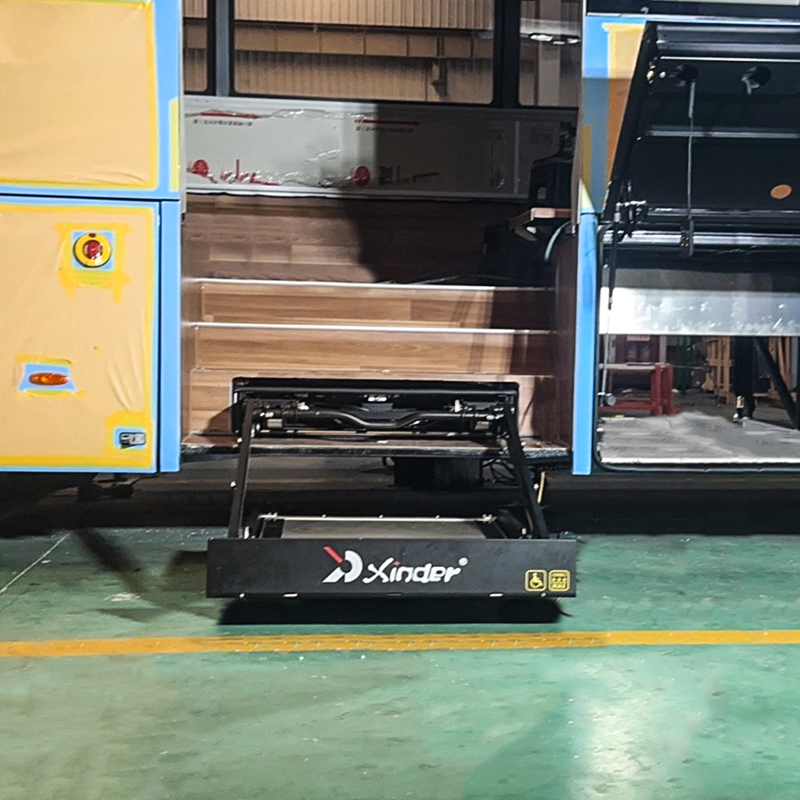
Verify Power Supply and Ground Integrity for Electric Steps
Most electric step problems actually come down to electrical issues about 70% of the time, so checking power connections and grounding should always be the very first thing technicians look at when something goes wrong. Start off by measuring what’s coming out of the car battery. When sitting still, it needs to show over 12.6 volts. But don’t forget to check again while the steps are running because sometimes the voltage drops. If it falls below 11 volts consistently during operation, that’s not good news. The charging system probably has some serious problems that need fixing right away before anyone even thinks about looking elsewhere for causes.
Testing Input Voltage and Checking Fuse/Relay Functionality
Use a multimeter to measure voltage at the step controller’s input terminals while activating the steps. If readings fall below specification:
- Inspect fuses with a continuity tester; replace only those matching the manufacturer’s specified amperage rating
- Test relays by listening for audible clicks during deployment and verifying coil resistance (typically 50–120Ω)
- Perform voltage drop tests across all wiring connections; values exceeding 0.2V indicate excessive resistance requiring cleaning or replacement
| Common Electrical Fault Indicators | Diagnostic Action | Acceptable Threshold |
|---|---|---|
| Intermittent step operation | Test under load | < 0.5V fluctuation |
| No movement with audible relay click | Check motor circuit | 12V+ at motor terminals |
| Complete system failure | Verify main ground | 0Ω resistance to chassis |
Inspecting Corroded Connectors, Loose Grounds, and Common Ground Failure Patterns
Corrosion at connectors causes 40% of ground path failures. Always disconnect batteries before inspection. Examine:
- Ground points: Remove chassis ground connections, sand contact surfaces to bare metal, and re-secure using star washers and anti-corrosion paste
- Wiring harnesses: Look for cracked insulation or greenish deposits at terminals—replace any compromised connectors or sections
- Failure patterns: Melted insulation near controllers often indicates resistance-induced heat buildup from undersized or corroded grounds
Ground loops—multiple, uncoordinated ground paths—introduce voltage differentials that disrupt control signals. Follow OEM grounding diagrams strictly: use single-point grounding at manufacturer-specified locations, and verify resistance between the step controller ground and battery negative is ≤ 0.05Ω.
Diagnose Electric Steps Motor and Mechanical Deployment Failures
Motor and mechanical failures are primary causes of electric step malfunction. Recognizing symptoms early prevents costly repairs and ensures passenger safety.
Identifying Motor Burnout, Gear Damage, and Physical Obstruction Symptoms
When troubleshooting, pay attention to any grinding sounds or just a constant low hum with no actual movement happening — these are pretty much textbook signs that the motor coils have burned out. Steps that come down unevenly or get stuck halfway through their cycle usually point to problems with the gears, so check those for missing teeth or bushings that look worn out. Sometimes physical stuff gets in there too. Road grime, old hardened grease, ice buildup, even bent parts can all cause things to bind up. Before running any electrical tests, make sure to clean out the step tracks completely and manually move them around to see if they work smoothly. A recent study from 2023 looking at fleet maintenance found that most step failures (about two thirds) actually started with issues in the motor or gear system. Only around one fifth were caused by stuff getting caught in there.
Performing Load-Dependent Voltage Drop and Motor Resistance Tests
To check for voltage drops when the system is running, connect the multimeter leads right onto those power terminals at the motor itself and watch what happens as we go through each step activation. If the reading falls below by more than half a volt, that usually means there’s something wrong with how things are wired together, maybe bad connections somewhere along the line, or perhaps the wires just aren’t thick enough for the job. They don’t necessarily mean the motor itself has failed though. After this, it’s time to look at resistance levels measured in ohms. Make sure everything is turned off completely first and all those moving parts have gone back to their resting position. Check these numbers against what the manufacturer says they should be looking for. When results differ by over 15 percent from specifications, chances are pretty good there’s either damage inside those windings or significant wear on the brushes over time.
Validate Sensors, Switches, and Control Module Operation in Electric Steps
Testing Proximity Sensors, Door Switches, and Contact Continuity
When steps fail to deploy properly or behave erratically, faulty proximity sensors or door switches often lie at the root of the problem. Start by finding these sensors around pivot points or inside track housings. Grab a multimeter and check if there’s continuity and proper signal output. Detach the connectors first, then carefully probe the terminals while manually moving the step through its cycle. Look for clear voltage changes between 0V when retracted and about 12V when deployed. With door activated switches, make sure the output pulses match exactly with how the door moves, not just when the latch engages or someone pulls the handle. Corrosion builds up on contacts over time causing those annoying intermittent issues. Spray some electrical contact cleaner on them and test again. Statistics show that roughly one third of all deployment problems come down to damaged wire insulation where conductors get exposed to road salt and dirt. Check wiring routes for signs of wear and tear, and don’t hesitate to replace any wires showing damage. Before jumping into component replacements, always double check for simple things like mud, snow, or ice covering up sensor faces - these little details can save a lot of headaches later on.
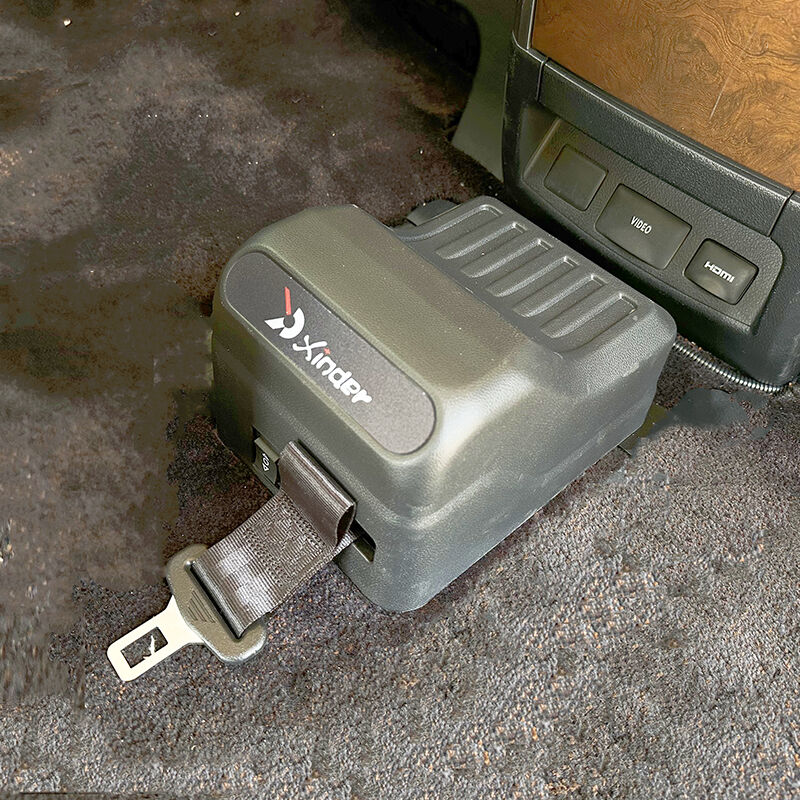
Reading and Clearing Manufacturer-Specific Error Codes for Electric Steps
Most modern electric step systems include integrated diagnostics accessible via the control module—typically mounted under the dash or near the step motor. Identify its LED indicator and observe flash patterns during key-on or activation cycles. Refer to the OEM service manual for code definitions; common examples include:
- 2 Flashes: Motor overload or stalled condition
- 3 Flashes: Sensor misalignment or signal loss
- 5 Flashes: Persistent voltage irregularity (e.g., brownout or surge)
To clear those stored codes, simply disconnect the car battery for about ten minutes before reconnecting it and cycling through the ignition switch to check if everything resets properly. When error messages come back right away after this process, there’s probably something wrong with the hardware components involved. Think along the lines of sensors that have short circuits, controllers that just quit working, or motors where the windings are damaged somehow. With some modules that don’t show any visible signs when they malfunction, mechanics need to grab either an OEM compatible tool or go for a heavy duty OBD II scanner that can actually reach into those body control systems or specific step functions within the vehicle electronics. Once repairs are done, remember to recalibrate those extension limits exactly according to what the manufacturer specifies. Otherwise we risk having parts move beyond their intended range which leads to all sorts of mechanical problems down the road.