EN
EN

The Accessibility Crisis: Why High-Ride Vehicles Demand Electric Steps
The Rising Ride Height Gap: SUVs and Trucks Dominate Sales but Challenge Mobility
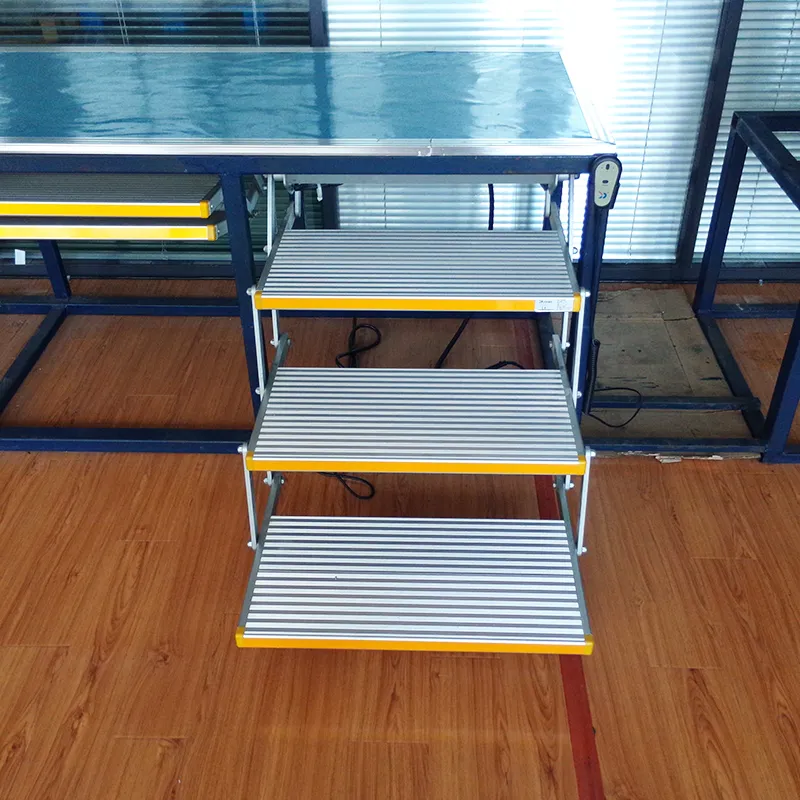
The market is changing fast these days, with SUVs and pickup trucks making up more than 80% of all new car sales. People want roomier vehicles that can handle rough terrain and look good doing it. But there's a problem nobody talks about much these days. The floor inside these big vehicles sits around 20 inches off the ground now, which means getting in requires climbing almost 30% higher than what used to be standard in regular cars. For many seniors, folks with joint issues, or anyone coming back from surgery, simply entering becomes a real challenge. Car makers focus so much on how high they can raise the ride height and what looks cool from the outside, but nobody seems to care about whether everyone can actually get inside without help. That's where electric steps come in handy. These little platforms drop down to about 6 to 8 inches above the pavement, cutting the climb by roughly two thirds and letting people enter safely on their own again.
Data Spotlight: 72% of Older Adults Struggle with Vehicle Entry (NHTSA, 2023)
According to data from the National Highway Traffic Safety Administration, about 72 percent of people aged 65 and older find it tough to get into those tall ride vehicles. Around one third of them actually take a tumble or have close calls each year when trying to enter or leave these cars. Now this isn't just random stuff happening. When seniors fall while getting in or out, these accidents account for nearly 60% of all mobility related injuries among older folks. What happens next is pretty serious too. People often end up doing less physical activity after such incidents, which leads to weaker muscles and eventually makes it harder for them to live independently. Standard running boards don't really solve the problem since most still need someone to lift their leg between 12 to 18 inches off the ground. That's where electric steps come in handy. They completely remove this obstacle by unfolding into a flat surface right at floor level. This matches how people naturally walk and takes away the mental effort needed to judge distances and plan movements.
Electric Steps Enhance Safety: Reducing Falls and Joint Stress
Biomechanical Benefits: Up to 40% Lower Hip and Knee Load During Entry/Exit
Electric steps really cut down on joint strain because they eliminate the need for big vertical movements when getting in and out of vehicles. Studies indicate these steps can reduce the pressure on hips and knees by about 40 percent compared to climbing into those tall SUVs without help. The reason? People don't have to bend as much or twist their joints into awkward positions, which matters a lot for folks dealing with things like arthritis, recovering from surgery, or living with ongoing pain issues. Interestingly enough, every single inch we take off the step height translates to around 7% less force on the knees. That means even small changes in how high the step is can make a real difference over time for keeping joints healthy and functional.
Proven Fall Reduction: 63% Fewer Entry/Exit Incidents with Electric Folding Steps (AARP, 2024)
According to research from AARP in 2024, those electric folding steps actually reduced slips and falls when getting into vehicles by about two thirds. What makes these steps work so well? They come with three main safety additions. First, there are special non-slip surfaces designed specifically for rain or ice. Second, the steps deploy at exactly the same height every time, taking all the uncertainty out of climbing in. And third, some models include handy handholds that really help with balance when getting in and out. Most interestingly, nearly eight out of ten people who tried them said they felt much more confident reaching for their car keys even on bad days when roads were slick or covered in snow. This shows just how important consistent performance can be for actual safety improvements in daily life.
Empowering Independence: How Electric Steps Restore Confidence and Autonomy
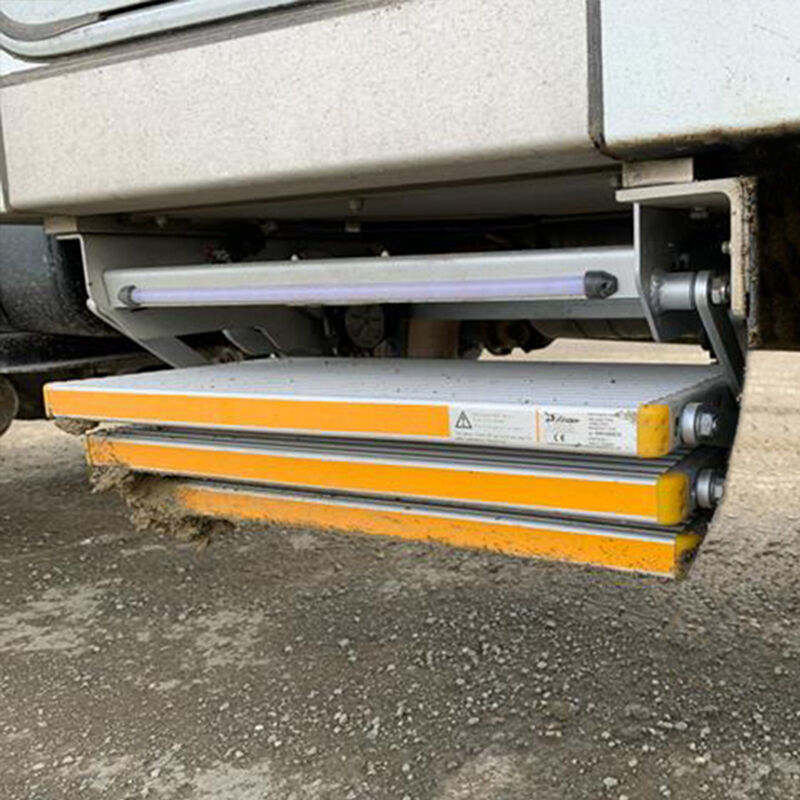
Electric steps aren't just about closing gaps between ground level and vehicles. They actually bring back a sense of control that people often lose when mobility becomes an issue. Think about what happens when someone can step into their car without needing help, without straining muscles or facing awkward situations. Suddenly driving becomes possible again, going out with friends feels manageable, running quick trips around town doesn't require asking for favors, and commuting stops being such a hassle. Doctors who work with mobility issues see something important happening too. When folks don't have to fight just to get into their trucks, they save their strength for what really matters in life. What stands out most is how users talk about regaining control over their own movement. This theme shows up repeatedly in customer feedback collected by major manufacturers. At its core, this technology goes beyond mere convenience. It represents thoughtful design choices that respect human dignity, support independence, and ensure everyone deserves the freedom to move wherever they need to go.
Choosing the Right Electric Steps: Key Specifications for SUVs, Trucks, and High-Ride Vehicles
Must-Check Features: Weight Capacity, Ground Clearance, and OEM-Compatible Integration
When picking out a system, there are really three key things worth considering first. Let's start with weight capacity. Most people should go for something that handles at least 300 pounds. This makes sure it works for different body types and also leaves room for folks who might need extra support from canes or those lightweight walkers we see so often nowadays. Next up is ground clearance. When those steps fold back up, they need to leave about 8 inches underneath so nothing gets scraped against driveway edges, speed bumps, or those pesky potholes everyone complains about. And finally, check if the system plays nice with original equipment manufacturer parts. Good ones connect right into the car's existing wiring so everything deploys automatically when doors open without messing around with complicated electrical stuff that voids warranties. Miss any of these points and suddenly what looked like a smart purchase becomes a safety hazard, limits how useful the vehicle actually is outside paved roads, or turns into an expensive headache during installation.
Table of Contents
- The Accessibility Crisis: Why High-Ride Vehicles Demand Electric Steps
- Electric Steps Enhance Safety: Reducing Falls and Joint Stress
- Empowering Independence: How Electric Steps Restore Confidence and Autonomy
- Choosing the Right Electric Steps: Key Specifications for SUVs, Trucks, and High-Ride Vehicles