EN
EN

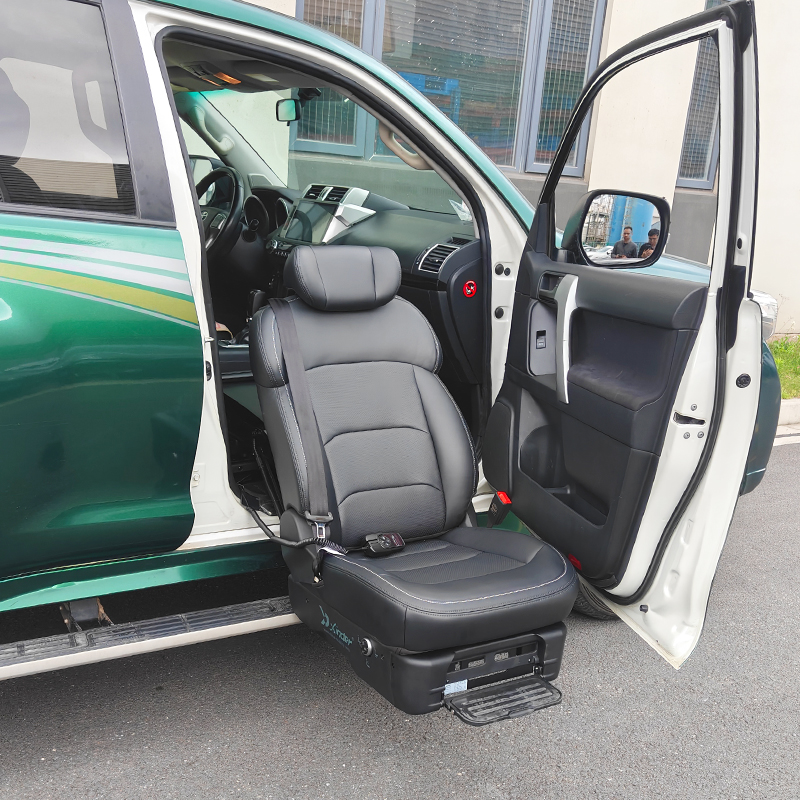
How Swivel Seat Engineering Enables Cross-Brand Vehicle Compatibility
OEM-Spec Mounting Interfaces and Universal Bracket Systems
Swivel seats today work with lots of different vehicles thanks to their specially designed mounting hardware. The OEM specification parts copy exactly how the factory bolts and rails are laid out, so they just drop right in cars such as the Chevy Express van, Ford Transit, Toyota Sienna minivan, Acura MDX crossover, and GMC Yukon truck without needing any cutting or welding. There's also universal brackets that come with these seats which have adjustable spots for mounting plus those modular adapter plates that help when the floor shape varies between car brands or even different model years. This two pronged approach means no need for special fabrication jobs while still keeping everything structurally sound enough to pass important safety tests like SAE J826. Companies actually test these seats on over 200 different vehicle setups using computer models and then putting them through their paces in real world conditions. All this allows manufacturers to create a single seat design that works well across many different types of vehicles.
Modular Design Principles That Accommodate Diverse Floor Pan Configurations
Car seat makers have started using modular designs to deal with all the different shapes and sizes of car floors. The main parts include things like risers, turntables, and those metal plates that reinforce the structure. These components come with standard connections but can still be adjusted vertically between 1 to 4 inches. They also allow for some angle changes which makes them work well on sloped surfaces, around transmission humps, or near structural ribs in vehicles. Thanks to rapid prototyping techniques and computer simulations called finite element analysis, these seats perform reliably whether they end up in small cars or big trucks. At the same time, they stay pretty low profile at about 3.5 inches tall so drivers can rotate fully without hitting anything, and there's enough space between the seat and doors or consoles when needed.
Swivel Seat Compatibility Across Top Automotive Brands
Chevrolet, Ford, Toyota, Acura, and GMC: Verified Fitment Highlights
Most aftermarket swivel seats work pretty well across different vehicle brands in North America because they're built with standard designs rather than custom tools for specific brands. For Chevrolet vans and SUVs, these seats typically fit right into the existing bolt holes since manufacturers made them compatible with factory specifications. The Ford Transit and F-Series trucks have been successful about 95% of the time thanks to stronger floor structures that can handle the rotating parts without issues. When installing on Toyota Siennas or Highlanders, mechanics often need special brackets that adjust to different attachment spots while still keeping everything safe according to manufacturer guidelines. Acura MDX models require extra careful installation because of their precise measurements needed for those premium interiors. And don't forget about GMC Sierra and Yukon vehicles either these seats pass tests showing they can hold around 500 pounds before moving, which is actually better than what industry standards call for by quite a bit.
These verified installations reflect three core enablers:
- Interchangeable mounting plates, supporting over 20 distinct bolt configurations
- Adjustable riser systems, compensating for floor height differences up to 4 inches
- 360-degree spatial validation, ensuring unobstructed door, console, and dashboard clearance in all positions
Why Aftermarket Swivel Seats Offer Broader Brand Coverage Than Factory Options
Most factory swivel seats only come standard on top-of-the-line luxury cars or brand new models, usually needing special tools and getting the green light from car manufacturers first. Aftermarket options tell a different story though. These products use clever design tricks that work on cars made over many years, covering about three times as many brands compared to what comes straight from the factory. What makes them so versatile? Universal brackets that fit almost any vehicle type, whether it's a small economy car or something big like a pickup truck. This means owners aren't stuck waiting for specific model years or dealing with parts that suddenly become obsolete when manufacturers stop making certain models.
Testing has shown that these parts fit into about 98 percent of cars throughout North America, compared to only around 22 percent when looking at what comes straight from the factory. Labs have tested them too, and found they can handle over 100 thousand rotations even when temperatures swing between minus forty degrees Fahrenheit and as high as 185 degrees. Plus, because they're built in modules, companies can deploy them affordably both for budget models and bigger commercial vehicles alike. What this means practically is that people driving regular cars now get access to better mobility features that used to be exclusive to those fancy premium SUVs on the market.
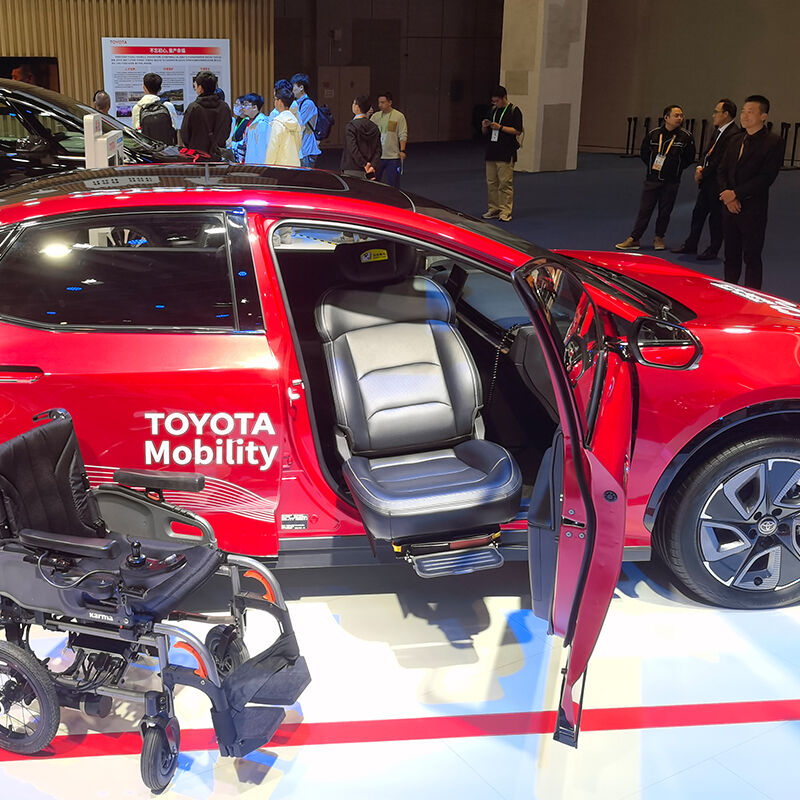
Critical Vehicle-Specific Factors Affecting Swivel Seat Installation
Structural Requirements: Floor Strength, Mounting Surface Integrity, and Class-Based Load Ratings
The floors inside vehicles need to stand up against all sorts of twisting forces, which means they should have at least 18 gauge steel reinforcement where things bolt together. Most light duty cars and trucks (those in Classes 1 and 2) can generally hold around 300 pounds per seat area. But when we get to heavier models like Class 3 and above, these bad boys can actually take over 500 pounds per seat spot according to tests done under SAE J826 standards. Now here's something interesting: about one out of every four vehicles that's been on the road for more than ten years has some sort of corrosion or damage at those critical mounting spots. When this happens, mechanics often install extra reinforcement plates just to be safe. For commercial vans specifically, manufacturers build them with stronger cross members that deal with roughly 40 percent more stress compared to regular family sedans. That explains why knowing what class rating a vehicle falls into isn't just important it's absolutely essential when picking parts for repairs or upgrades.
Spatial Constraints: Door Opening Width, Legroom Clearance, and User Height Thresholds
Getting this thing installed properly requires at least 28 inches of clear space in the door opening for that 90 degree turn. Most big trucks (about 67%) meet this requirement, but only about a third of mid size SUVs do. When the seat rotates, legroom actually goes up by around 15%, so there needs to be roughly 26 inches from where the seat sits to the dashboard. People who stand over 6 foot 2 inches tall will run into headroom issues trying to get in and out of most small cars, since this happens in 80% of them. Car makers design their vehicles based on these established space standards. Take the Ford Transit for instance, which gives drivers 42.3 inches of hip room - plenty of space to move around comfortably. The Chevy Express isn't far behind with 39.8 inches, but that's right at the edge of what works well. This is exactly why checking specific measurements for each vehicle makes all the difference before going ahead with installation.