EN
EN

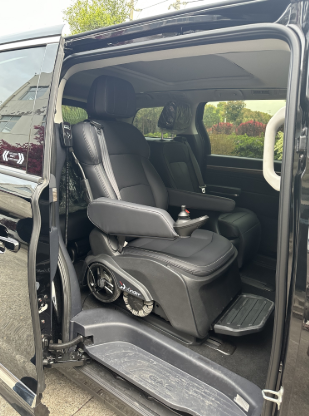
Safety Compliance and Crash-Tested Performance
FMVSS 207/210 and Ejection Mitigation: Non-Negotiable Swivel Seat Safety Standards
Swivel seats that have been crash tested need to meet FMVSS 207 requirements for strength and FMVSS 210 for how they attach securely to the vehicle. These standards are really important because they help keep people from being thrown out during accidents. According to some independent tests, when seats follow both these rules, there's about a 37% lower chance of getting hurt compared to seats that don't meet them (this comes from NHTSA research in 2023). The way these seats stay put depends on strong parts that lock together. They can handle pretty intense crashes, around 20G forces in front end collisions without breaking apart. Also worth noting, most good quality seats will automatically lock when tilted past 15 degrees, which stops them from moving around unexpectedly if someone hits the brakes hard. For anyone looking after kids or adults with special needs who travel regularly, these safety features aren't just nice to have they're absolutely essential.
Side-Impact Protection Gaps: Why FMVSS 213 i-Size and What It Means for Your Swivel Seat
FMVSS 213 does certify basic child restraints, but when it comes to side impact protection, there are serious shortcomings compared to Europe's i-Size standards. The European system actually tests for 20 km/h lateral crashes using special dummy sensors that track neck forces below 3,200 Newtons. Meanwhile, our own FMVSS 213 standard only looks at front impacts. What does this mean in practice? Rotating car seats sold in North America aren't prepared for those devastating T-bone accidents we see so often. According to NHTSA data, such collisions claimed nearly 10,000 lives from 2018 through 2022 alone. For parents wanting extra protection, look for brands going beyond minimum requirements. Some companies offer seats with energy absorbing side supports that cut head movement by around 15%, conduct sled tests at 30 degree angles, and include three point anchor systems that stop dangerous rebound movements after impact.
Vehicle-Specific Compatibility and Secure Installation
Chassis Fit Matters: Sprinter, Transit, Promaster, and Model-Year Validation for Swivel Seats
Van manufacturers don't all design their chassis to work the same way with swivel seats. There are actually pretty small but important variations between different vans when it comes to where things mount, how bolts line up, and overall space inside the cabin. Take the Sprinter, Transit, and Promaster for instance. Even if two vans look similar on paper, one built in 2023 might have completely different specs compared to its 2024 sibling because of changes made behind the scenes at the factory. We've seen cases where someone installs a seat meant for an older model only to find it clashes with dashboard components or disrupts airbag deployment systems. Before spending money on anything, check those compatibility guides from the manufacturer that list specific model numbers and trim levels. Skipping this step can lead to serious problems down the road, including potential safety hazards and lost warranty coverage that nobody wants to deal with.
LATCH vs. Seat Belt Anchoring: Ensuring Lock Reliability and Long-Term Swivel Seat Stability
The way something gets anchored makes all the difference when it comes to staying safe during turns or crashes. Most LATCH systems come with those standard lower anchors, though they usually stop working properly once total weight hits around 65 pounds including both the child seat and whoever's sitting there. That means regular seat belts become necessary for grown-ups or any heavier installations. The design of how belts pass through these systems isn't uniform either. Some models have swiveling parts that actually squeeze the belt material when rotated, which can slowly reduce tension over time. Look for car seats featuring solid locking mechanisms that keep pressure steady on the belt and give some kind of sound or click when properly engaged. Checking these locks remains important too. Statistics from SAE in 2024 show nearly three quarters of people don't notice signs of wear until something breaks completely, so making this inspection part of routine maintenance every six months makes good sense.
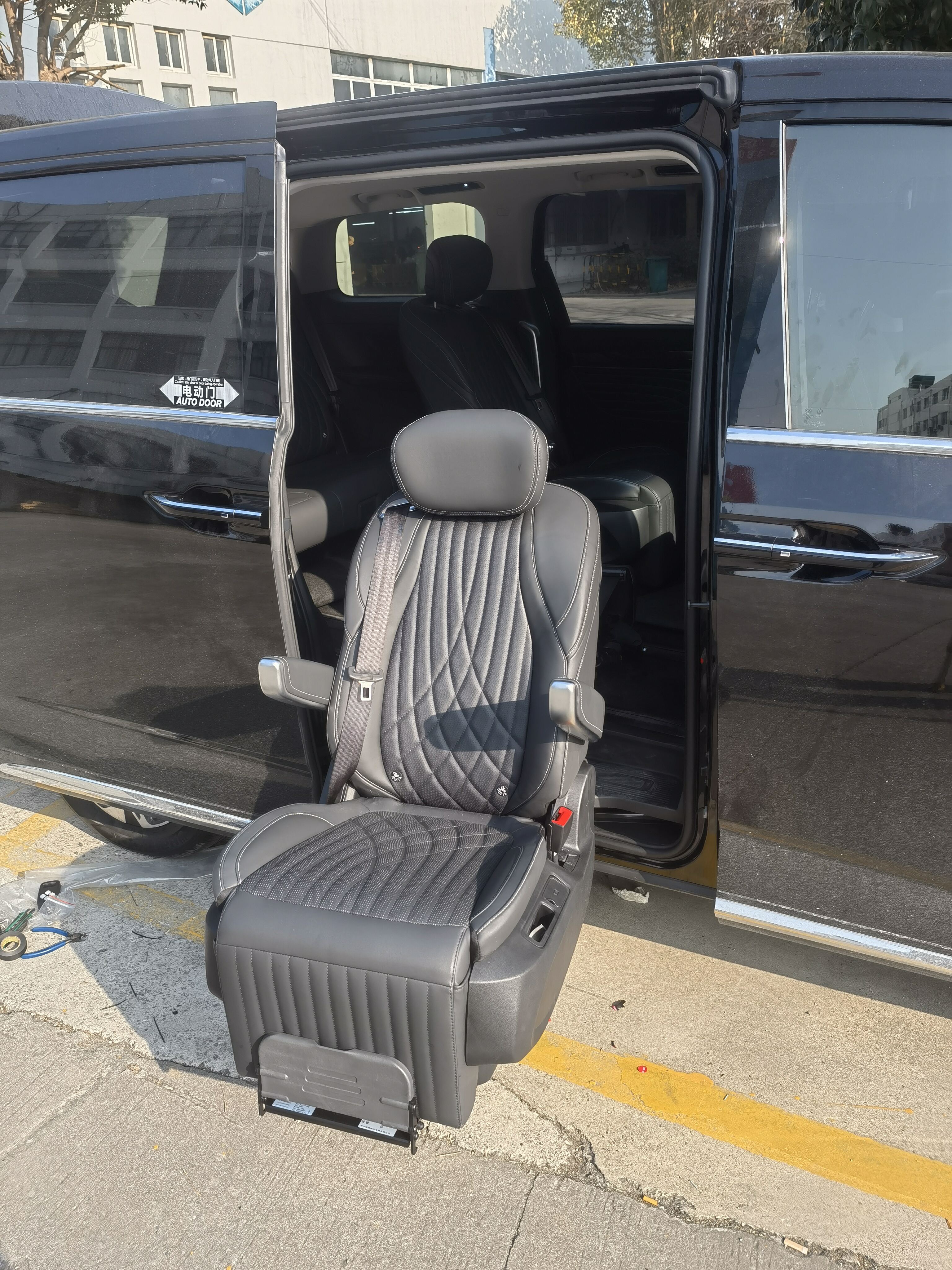
Ergonomic Functionality and User-Centered Swivel Seat Design
Manual vs. Motorized Swivel Mechanisms: Torque, Smoothness, and Transfer Support
Swivel mechanisms that are manually operated need some elbow grease to turn around. Most models have a torque resistance range somewhere between 18 and 25 Newton meters, which keeps things locked in place when moving around. On the other hand, motorized options let people just press a button and watch them spin at a steady 15 revolutions per minute. Research into mobility has shown these can cut down on joint strain quite a bit, maybe even close to 70 percent reduction. When it comes to keeping seats stable, both types need to stay within about plus or minus 1.5 degrees during turns or sudden stops in vehicles. Motorized systems tend to handle these transitions much smoother though, which makes all the difference for folks who need help transferring in and out. Finding the right balance means looking for something that doesn't take too much effort to operate but still gives clear feedback when it locks into position so nobody gets caught off guard by unexpected movement.
Adjustability and Lowering Capability for Diverse Mobility Needs
Critical height adjustability ranges (typically 4–7 inches) accommodate varying user statures while maintaining proper lumbar support. Lowering capability to 14–16 inches above floor level facilitates wheelchair transfers, reducing vertical lift distance by 60% compared to fixed-height seats. Seat tilt adjustments (±12°) further personalize positioning for orthopedic support needs.
Stability, Weight Capacity, and Real-World Durability
The stability of a swivel seat really matters when it comes to staying safe while moving around in vehicles. When shopping, make sure to check for good locking systems that stop the seat from spinning unexpectedly, particularly when there are sudden stops happening. Never ignore weight ratings either because going over what's specified can actually break the seat apart and lead to dangerous situations. According to recent studies by the Mobility Safety Council from last year, almost half (about 42%) of all problems reported in the field come from seats rated under 300 pounds. For long lasting performance, go for materials that resist rust and wear, such as high quality aluminum used in airplanes or special plastics meant for boats. These materials handle extreme temperatures ranging from minus 40 degrees Fahrenheit right up to 185 degrees Fahrenheit without breaking down, plus they stand up against damage from sunlight exposure too. Look out for models featuring extra strong pivot points and surfaces that won't get scratched easily. And remember to do regular inspections roughly every six months to spot any signs of wear before they become bigger issues down the road.