EN
EN

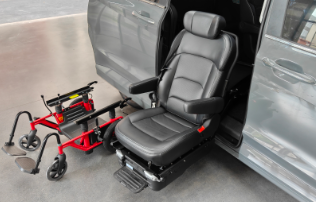
What Is a Car Transfer Seat? Core Mechanics and Design Principles
A car transfer seat is a specialized mobility device engineered to bridge the gap between a wheelchair or walker and a vehicle’s interior. Unlike standard car seats, it integrates three interdependent mechanical systems—rotational, height-adjustable, and support-assisted—to address real-world mobility limitations.
Rotational, height-adjustable, and support-assisted transfer mechanisms
- Rotational action enables smooth 90°–180° pivoting toward the door, eliminating the high-risk torso twisting required in conventional entry/exit.
- Height adjustment (typically 4–8 inches) aligns the seat precisely with the user’s mobility aid—reducing vertical lift strain by up to 60% compared to unassisted transfers.
- Support arms, contoured and fitted with non-slip surfaces, provide stable leverage points for controlled weight shifting, distributing pressure away from vulnerable hips and knees.
Swivel functionality (90°–180°), locking stability, and ergonomic armrest integration
- The swivel base allows users to face outward during initial transfer—then rotate fully into driving or passenger position without repositioning feet or straining the spine.
- Automatic locking pins engage instantly upon full weight-bearing, securing the seat rigidly during transit per FMVSS 207 and ISO 13537 safety standards.
- Armrests are clinically shaped to support natural scapular positioning and reduce shoulder impingement risk during rising/lowering motions.
These features work in concert—not as isolated functions—to convert a physically demanding, fall-prone maneuver into a seated, repeatable, and predictable transfer. That consistency is especially critical for older adults managing chronic joint conditions, post-rehabilitation limitations, or progressive neuromuscular changes.
Why Seniors Struggle with Standard Vehicle Entry — The Mobility Gap
Getting into standard vehicles puts physical strain on older adults that often goes beyond what their bodies can handle as they age. Most sedans require people to step down about 17 inches and twist their hips at the same time. This means bending knees past 70 degrees, having strong thigh muscles (around 2.5 kg per square centimeter), and maintaining balance which gets harder after turning 65. Muscle mass naturally decreases about 1% each year once someone hits 50, and when paired with stiff joints from arthritis and inner ear changes affecting balance, it makes getting in and out of cars really tough. Many elderly folks give up driving not because their minds are failing, but simply because climbing into cars feels dangerous now. When seniors lose access to transportation, they tend to isolate themselves socially, miss doctor appointments, and experience faster deterioration of daily living skills according to long term research found in gerontological journals.
Car transfer seats don't fix problems by making up for physical limitations, they actually change how things work. These seats take pressure off the lower back bones, reduce vertical movement by about 50%, and keep all motion happening in one stable sitting position. This approach matches what experts know works best for safe body mechanics. Both AOTA, which sets standards for occupational therapy practices, and NIA, focused on aging research, back these kinds of design improvements as part of their recommendations for safer transfers and daily activities.
How a Car Transfer Seat Improves Safety, Independence, and Joint Health
42% reduction in lateral joint loading and measurable decrease in fall risk during entry/exit
Studies show that car transfer seats cut down on sideways pressure on hips and knees by around 42% compared to regular ways of getting into vehicles. Researchers checked this through several gait labs using advanced motion tracking systems and force plates, as reported in the Journal of Rehabilitation Research & Development back in 2021. Less strain on these joints means slower development of problems like medial compartment knee osteoarthritis, which gets worse when joints take too much load over time. What makes these seats really stand out is how they work. The swivel mechanism moves within a controlled range and locks automatically, taking away those wobbles and instability factors that trip people up. We're talking about things like feet landing unevenly or unexpected shifts in body weight. These issues alone cause more than two thirds of all fall incidents related to cars for seniors, according to data collected by the Centers for Disease Control.
Reduced caregiver dependency and enhanced self-transfer confidence
Field studies in occupational therapy reveal that patients often move from needing help from two people to managing transfers on their own after about 2 or 3 weeks of regular practice, all while staying safe. The impact goes way beyond just making things easier logistically. Patients maintain their dignity, caregivers get some relief, and important brain connections related to movement planning and body sense actually strengthen over time. We start seeing real improvements in arm strength and core stability, which helps folks do more for themselves around the house and outside. A geriatric rehabilitation expert put it this way: "Once someone can rely on their transfer skills rather than just being able to do them once in a while, they suddenly find themselves getting out more into the community." And this change doesn't stop at mobility alone. Better transportation options lead to improved mental wellbeing, better food choices, and more consistent follow through with doctor appointments and medications.
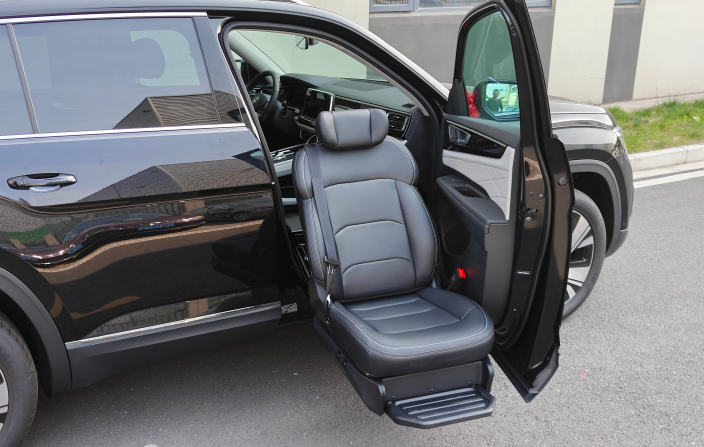
Who Benefits Most? Clinical Eligibility and Practical Fit Considerations
Key criteria: Cognitive awareness, upper-body strength (≥3/5), trunk control — and common contraindications
Car transfer seats deliver optimal outcomes when users meet three functional prerequisites:
- Cognitive awareness sufficient to understand and follow basic safety protocols (e.g., engaging locks before transit);
- Upper-body strength rated ≥3/5 on the Medical Research Council (MRC) scale—ensuring safe initiation and control of swivel motion;
- Trunk control allowing sustained upright posture during weight shifts, verified via clinical observation or sitting balance tests (e.g., Berg Balance Scale ≥40/56).
People should not use this device if they have seizures that aren't properly controlled, are in the later stages of dementia where they can't judge what's safe, or suffer from serious problems sensing body position which would make it hard to know where they're sitting or whether locks are engaged. For folks with moderate mobility issues it can actually be quite helpful, especially patients getting better after hip replacement surgery once their doctor gives the green light. But anyone who has lost movement in both legs or had recent back surgery needs special evaluation first before deciding on use.
Practical fit remains equally critical: minimum 32-inch door opening width, unobstructed rotational path (no center console interference), and vehicle floor-to-seat height differential within the device’s adjustment range are non-negotiable for safe operation. These parameters are outlined in manufacturer installation guidelines and align with ADA-compliant vehicle modification standards.