EN
EN

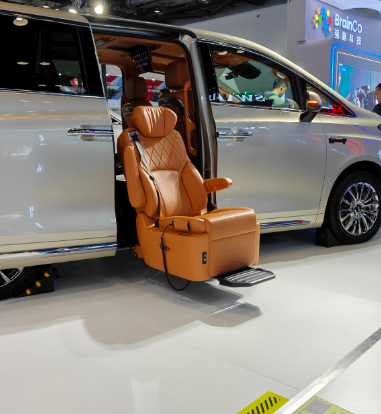
How Car Transfer Seats Solve the Core Transfer Challenge
The Daily Struggle: Manual Transfers and Physical Strain for Wheelchair Users
Getting into a car manually takes a lot of upper body strength and can really wear on the shoulders and back. According to some recent studies from the Journal of Rehabilitation Medicine published last year, around 7 out of 10 wheelchair users deal with ongoing pain when transferring cars, and nearly half have fallen at least once while doing so. All this physical effort doesn't just risk injuries it also makes people dependent on others for something as basic as getting around town. The usual approaches such as sliding boards or having someone help lift them only make things worse over time, since they drain energy and make spontaneous trips almost impossible. What we need is a way to connect the wheelchair to the driver seat position safely without making anyone feel like they're losing control over their own movement.
Engineering Insight: Six-Way Adjustability Enables Safe, Independent Vehicle Entry and Exit
Car transfer seats designed today tackle those frustrating transfer problems with some serious engineering behind them. These seats offer six different ways to adjust position including things like swiveling, lifting, tilting side to side, reclining, and moving forward or backward which makes getting into vehicles much easier for everyone involved. According to recent research from Mobility Equipment Journal in 2024, power assistance cuts down on physical effort needed by around three quarters when compared to doing it all manually. Plus there are built in safety features that stop any unexpected movements while traveling. The multiple axis controls help people keep their bodies in better alignment throughout transfers, reducing chances of falls and pressure on the spine. What sets these apart from regular fixed seats is how they actually adapt to what each person can physically do. Something that used to take considerable strength and coordination now becomes as simple as pressing one button.
Safety, Comfort, and Autonomy Benefits of a Car Transfer Seat
Reduced Fall Risk and Spinal Load Through Controlled, Power-Assisted Movement
Car transfer seats with power assistance take away those risky twisting movements by offering smooth, motor driven side to side motion. This cuts down on the strain on spines during transfers, with studies showing around 72 percent less pressure compared to doing it without help from the Mobility Safety Institute back in 2023. What makes these seats so helpful is their six way adjustment feature. People can fine tune their position so they stay in contact with support points all through the transfer. No more sudden weight changes either which helps stop accidents. Falls are actually a big problem here since roughly two thirds of wheelchair users have had transfer related falls at some point during the year according to recent data.
Superior Ergonomics and Driving Posture vs. Wheelchair-Mounted Driving Systems
Integrated car transfer seats are different from those wheelchair mounted options that mess up the driver's position. They actually stick to what car manufacturers designed when it comes to ergonomics. Let's talk about why these seats matter so much. First off, they have adjustable lumbar support and seat depth settings that can be tweaked for each person's spine alignment. The thigh to torso angle is also better optimized, which means less pressure on the lower back after sitting for hours. Headrests are positioned properly to support the neck curve as well. And don't forget the seat belts that connect directly to the car's frame points for real crash protection. All this keeps the original safety features intact while offering posture support that just isn't possible with those aftermarket wheelchair docking systems. People who use them regularly say they experience around 40 percent less driving fatigue overall. Some even mention getting 57 percent fewer pressure sores on their skin during those long commutes across town.
Choosing the Right Car Transfer Seat: 4-Way vs. 6-Way Functionality
When Full Rotation Adds Value—And When Simpler Adjustment Meets Real-World Needs
When choosing between 4-way and 6-way car transfer seats, what matters most is how someone moves around and what kind of car they drive. Six way systems give full rotation options plus height changes and side to side adjustments which really helps people who struggle with trunk access or need to get into higher vehicles such as those big SUVs we see everywhere these days. Studies show these fancy movements cut down back pressure by about a quarter during getting in and out compared to doing things manually. For folks with decent upper body strength driving regular cars or minivans though, the basic four way model usually works just fine. These simpler versions weigh about 15 percent less overall and don't cost nearly as much to maintain either, so they're great for folks stuck in city traffic all week long. Go for the six way system if roads are bumpy where you live or if tiny tweaks matter for keeping good posture while seated. But let's face it, most everyday drivers find that streamlined four way design gets them from point A to B without too many headaches. Take stock of what the body can actually do and think about where most trips happen before deciding whether all those extra features are worth the price tag.
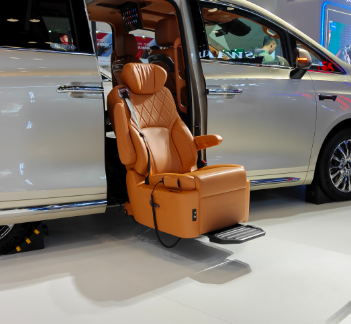
Long-Term Mobility Impact: How a Car Transfer Seat Extends Independent Driving
People who struggle with mobility find that keeping their ability to drive makes a huge difference in how they feel about life overall. Car transfer seats help keep this independence intact by cutting down on the physical toll of getting in and out of vehicles every day. These seats reduce stress on the spine and lower the chances of falls, which can really slow down someone's mobility over time. What makes these seats so valuable is that they let people get into their cars without draining all their energy for other things they need to do throughout the day. When folks don't have to depend on others for rides anymore, they stay connected to friends, family, and work opportunities that might fade away otherwise. Plus, the way these seats are designed actually stops secondary injuries from happening, something that often leads people to stop driving altogether too soon. Being able to drive themselves builds mental strength and saves money in the long run since it delays or sometimes even avoids the need for expensive assisted living arrangements later on.
| Benefit | Impact | Long-Term Outcome |
|---|---|---|
| Reduced Physical Strain | 72% lower spinal compression per transfer | Extended driving capability by 5–8 years |
| Energy Conservation | Preserves 55% more daily stamina | Maintained engagement in work and leisure |
| Injury Prevention | 67% fewer fall-related incidents | Avoided mobility regression cycles |
| Psychological Autonomy | 89% higher self-efficacy scores | Sustained mental well-being |