EN
EN

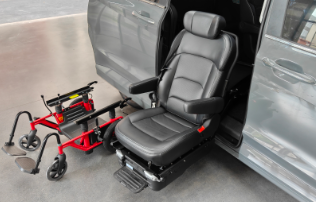
Car Swivel Seat Integration With Wheelchair Transfers and Caregiver Support
Enhancing Independence: Insights From the 2023 National Mobility & Caregiving Survey
Swivel car seats really help people gain more independence when transferring from wheelchairs. According to the National Mobility & Caregiving Survey last year, around three out of four users said they needed less help from caregivers after getting these seats installed. What makes them work so well is that rotating part which acts like a built-in pivot point. This lets folks move smoothly from their wheelchair into the car seat without having to lift their whole body. The design actually cuts down shoulder and hip strain by nearly half compared to regular transfer methods. That matters a lot for anyone struggling with weak upper body strength, whether because of arthritis, recovering from surgery, or dealing with neuromuscular issues. Plus, when someone knows how to use them properly, these swivel seats cut down on falls too since they support steady movements while getting in and out of vehicles.
Seamless Compatibility With Ramps, Tie-Downs, and Vehicle Layouts
Swivel seats integrate reliably with existing accessibility equipment through standardized mounting systems:
- Ramp Alignment: A precise 90-degree rotation positions users directly facing the vehicle door, optimizing alignment with fold-out or telescoping ramps
- Tie-Down Systems: Commercial-grade seat bases preserve all required anchorage points for secure wheelchair restraints (e.g., Q-Straint or EZ-Lock systems), maintaining compliance with WC19 wheelchair safety standards
- Space Optimization: Rotation creates consistent 18" clearance pathways—enough for caregivers to assist safely without crowding or compromising transfer mechanics
Most manufacturers build their products to work well with popular van conversion brands like BraunAbility and VMI as well as various accessible SUV models. They pay close attention to making sure transfer heights line up with what most wheelchair users need, typically between 17 and 19 inches off the ground. The mounting brackets used meet FMVSS 207 safety standards, which means they hold up pretty well even after lots of rotations and regular wear and tear from everyday driving. Real world feedback shows caregivers can get things secured much quicker too. Some say the process takes about 40 percent less time overall when these swivel seats are properly integrated into the vehicle's accessibility features instead of being added on later.
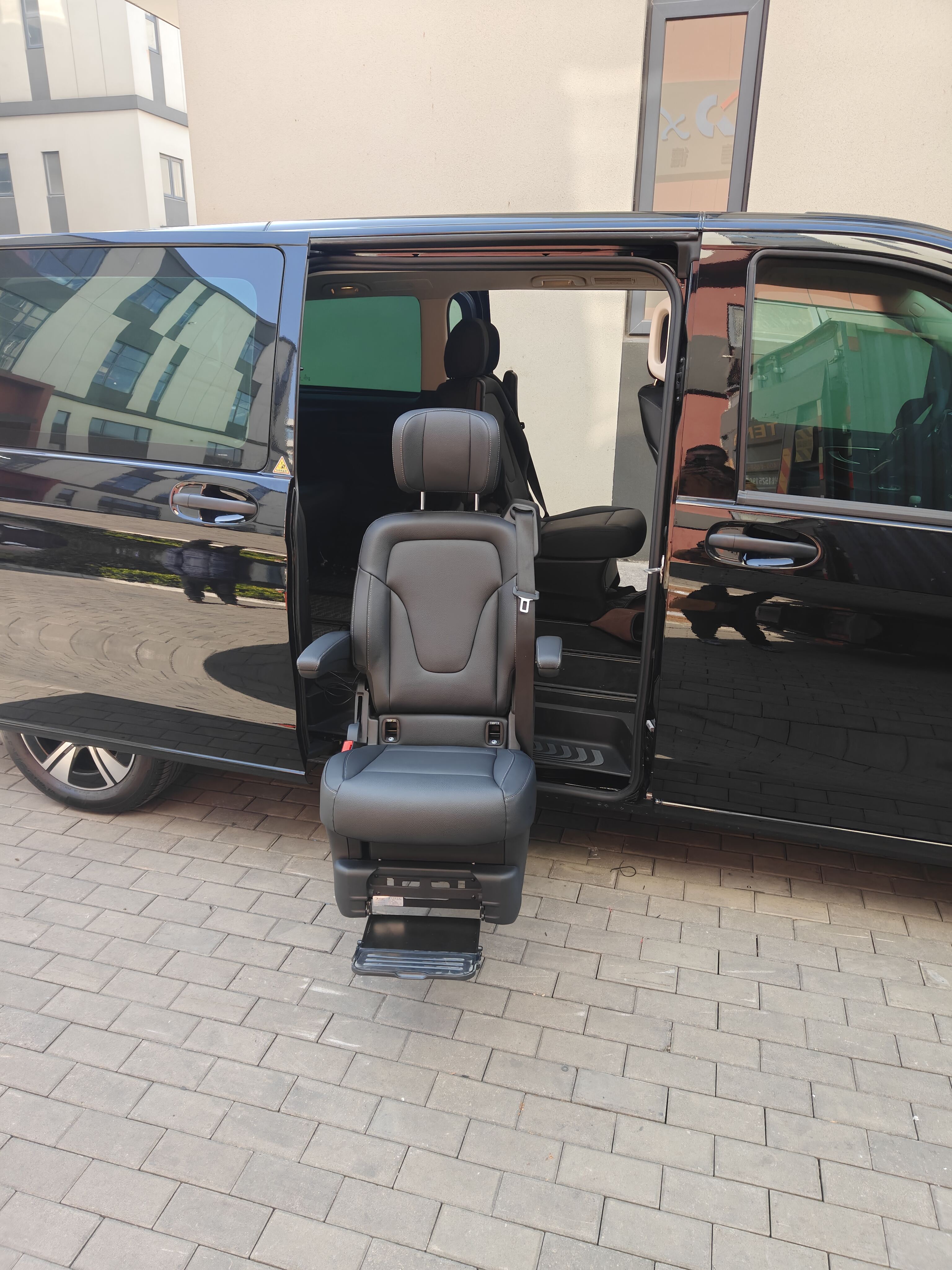
Safety Assurance: Crash-Test Validated Design and Regulatory Compliance
FMVSS 213 Certification, Rear-Facing Options, and ADA-Aligned Ergonomics
When it comes to safety, car swivel seats go through extensive testing before they hit store shelves. They must pass FMVSS 213 certification, which is basically the gold standard for how well child restraints hold up during crashes. This means the seats can handle impacts at speeds over 30 mph while still keeping kids safely contained and maintaining their structural strength. Putting babies and toddlers in rear facing positions gives them even better protection. The force from a collision gets spread out over the strongest parts of their bodies, specifically the spine and pelvis area. Studies looking at body mechanics show this setup cuts down on whiplash risks by around 37% when compared to sitting facing forward. That's why so many experts recommend keeping children rear facing for as long as possible.
Ergonomic design aligns with ADA accessibility principles through three evidence-based features:
- Contoured lumbar support that minimizes pressure points during extended rides—critical for users managing chronic pain or spinal conditions
- 360-degree rotation locks tested to remain fully engaged at highway speeds (up to 70 mph)
- Height-adjustable bases accommodating a broad range of body types and wheelchair seat heights
Independent testing labs—including those accredited by ISO/IEC 17025—verify performance using dynamic crash simulations modeled on real-world collision scenarios. This comprehensive validation ensures swivel seats meet not only regulatory requirements but also the functional demands of medical rehabilitation, aging-in-place strategies, and long-term mobility support.