EN
EN


Assess User-Specific Mobility and Transfer Requirements
Evaluate Strength, Balance, and Independent Transfer Capability
Start with checking how strong someone's upper body is and how stable their trunk remains when moving around the car. These factors really matter for safely turning into the driver's seat. Next step is figuring out if they can manage getting in on their own with those grab bars or if they need help from someone else. Looking at seated rotation balance is important too. People who lack good core control tend to fall much more often while getting in and out of vehicles. Research shows something like a 60% higher risk according to the Mobility Safety Journal back in 2023. For folks whose shoulders don't move as freely, those old fashioned mechanical swivel seats can be quite challenging. Electric versions generally work better because they require less effort and provide a smoother transition overall.
Determine Wheelchair Dependency and Daily Usage Patterns
It's important to note if someone uses their wheelchair all day long or just sometimes this makes a big difference when figuring out how often things need to rotate and what kind of wear and tear equipment will face. Looking at where people usually go can help too. For folks making quick trips around town, basic manual swivels or regular electric models might work fine. But those who travel a lot tend to get better results with faster transfer systems that can be programmed. When space gets really cramped like in city parking structures or tight driveway spots, four way movement systems become super helpful for getting from wheelchair to car seat without issues. Studies on transit access indicate that individuals who transfer over five times each day care most about having reliable automatic features in their mobility solutions.
Verify Physical Fit: Weight Capacity, Height, and Leg Length Compatibility
Cross-reference user anthropometrics with product specifications:
- Weight capacity (standard models support 250–350 lbs; heavy-duty versions handle 500+ lbs)
- Seat height adjustability for users under 5'2" or over 6'4"
- Thigh clearance between wheelchair and car seat (minimum 10" recommended)
Test torso-to-thigh angles during mock transfers—improper alignment contributes to pressure sores and postural instability. Ill-fitting swivel seats increase musculoskeletal injury risk by 41% (Ergonomics Review, 2023).
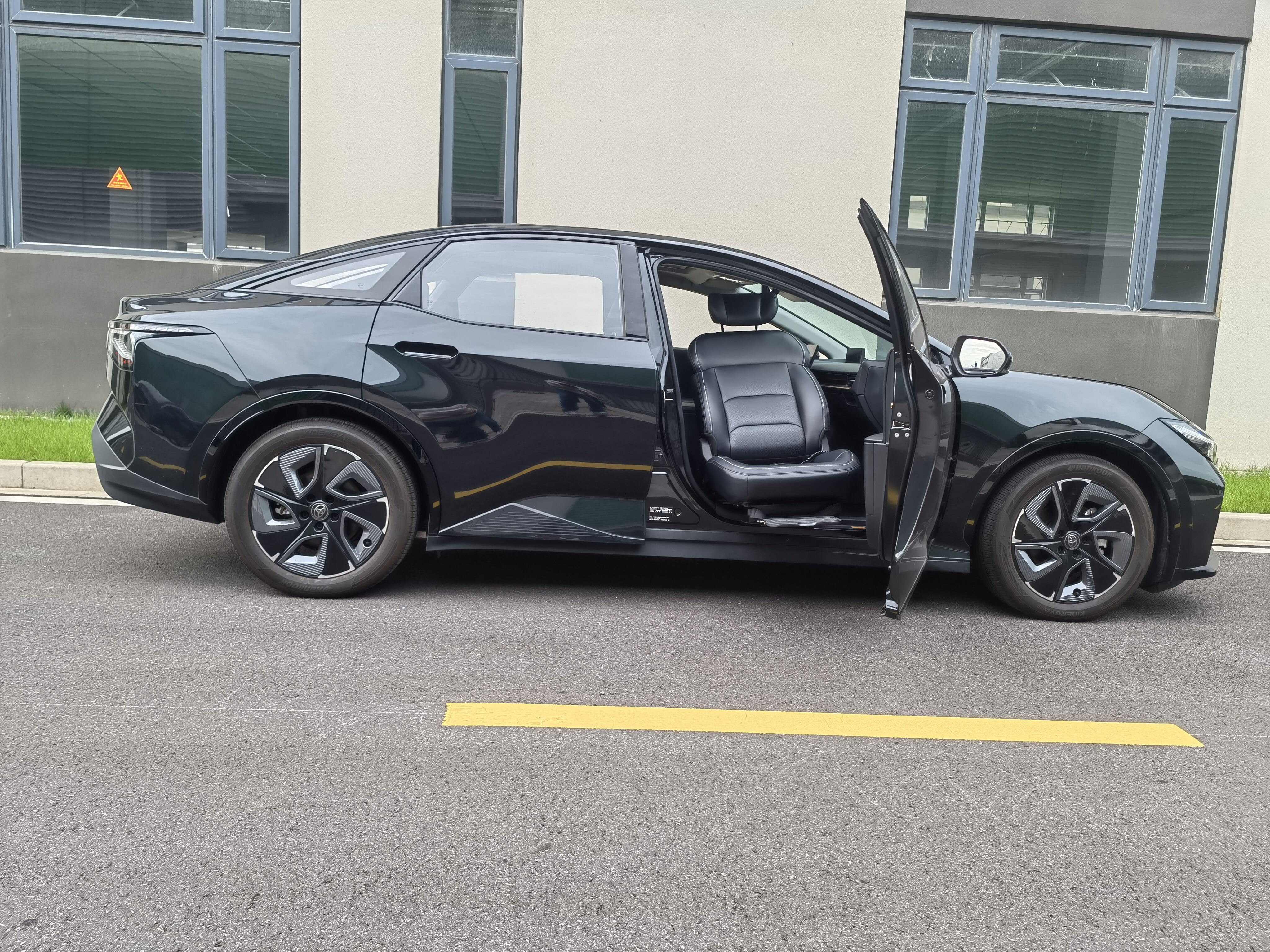
Compare Car Swivel Seat Types by Control, Motion, and Adaptability
Standard, Electric, and Programmable Car Swivel Seat Options
There are basically three main types of mobility equipment designed for different needs. The standard mechanical ones work with those manual levers most people recognize. These are good choices when someone has decent arm strength and doesn't need to move around too often throughout the day. Then we have electric versions that let folks press buttons instead of pulling handles. According to recent research from Mobility Assist Studies, this cuts down on physical effort by nearly four fifths during transfers. For even more customization, there are programmable systems available now. They remember where someone likes to turn their chair and how they want to get out of bed through those digital controls, so everything happens with just one touch each time. Getting the right match matters a lot though. If the wrong system is selected based on what someone can actually do physically, how frequently they transfer positions, and what kind of independence they're aiming for in the future, then there's a real problem. People using mismatched equipment face roughly twice as many falls while getting into or out of their chairs compared to those with properly fitted devices.
Beyond Swivel: Why 4-Way and 6-Way Motion Enhance Safe Transfers
Car swivel seats that offer advanced mobility features can really make a difference when it comes to staying stable and moving efficiently in vehicles. The simplest versions just rotate around, helping people get aligned properly. But then there are those 4-way systems that actually slide side to side too, something that matters a lot for folks who struggle with reaching across or have tight spaces inside their cars. Going all the way up to 6-way models adds vertical adjustments and tilting options. According to research published in the Journal of Rehabilitation Technology last year, these extra movements cut down on spinal pressure by about two thirds. For anyone dealing with balance issues or needing to put less weight on certain body parts, this kind of controlled motion helps keep things balanced during transfers from seat to wherever they need to go next. Plus, better designed movement patterns shave off roughly half a minute per transfer, which might not sound like much but definitely makes a difference after doing multiple transfers throughout the day.
Ensure Certified Safety and Crash-Tested Integration
FMVSS 207/210 Compliance and Real-World Crash Testing Validation
When shopping for car swivel seats, look specifically for ones that meet Federal Motor Vehicle Safety Standards 207 and 210. Standard 207 deals with seat strength while 210 covers those anchor points for seat belts. The tests these standards require actually check how well seats hold up during crashes. And interestingly enough, manufacturers don't just run computer simulations anymore. Real world crash tests have become standard practice too. According to recent industry reports, seats that comply with these FMVSS requirements can cut down injury risks by around 40% when subjected to side impact scenarios. That's pretty impressive considering what we know about vehicle safety today.
Secure Locking Mechanisms and OEM Seat Belt Compatibility
Make sure the system comes with those steel reinforced locking bars that give that satisfying click sound when locked into place. This helps stop accidental rotation during drives. The seat needs to work straight out of the box with what's already installed on the car for safety belts. No need to mess around with rerouting straps or buying extra adapters. Some independent tests show that when belt paths get messed up, forces during collisions go up about 70% compared to how things were originally designed by the car maker. That kind of difference matters a lot in crash situations.
Confirm Vehicle-Specific Compatibility and Professional Installation Feasibility
Car swivel seats don't always work well with every vehicle model out there. Getting them to fit right requires looking at several key factors like how big the seat base is, where the seat belts attach, and if there's enough space inside the cabin. Take those seat belt anchors for instance. If they're placed within about 18 inches of the seat's turning point, people might get tangled up when rotating the seat around. Installing these things isn't something most folks should tackle themselves. The bolts need to be tightened exactly according to what the car manufacturer specifies, usually somewhere between 35 and 50 Newton meters. Electric versions are even trickier since they need specific voltage settings for their wiring systems. Many do-it-yourselfers end up with seats that lock improperly or sit unevenly, which can actually make accidents worse. That's why professionals in mobility solutions go through thorough checks after installation. They run tests similar to what federal safety standards demand (FMVSS 207/210). These tests ensure everything works together properly so the swivel seat becomes part of the car's overall safety system. This means airbags still deploy on time, seat belts function correctly, and forces from crashes get distributed safely through the vehicle structure.