EN
EN

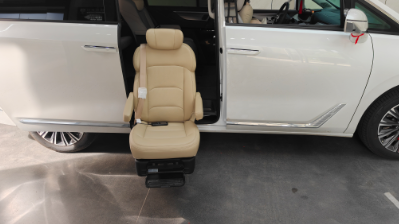
Improved Accessibility: Seamless Entry and Exit with a Swivel Car Seat
Wheelchair-to-Seat Transfer Without Manual Lifting
Swivel car seats have changed the game when it comes to getting in and out of vehicles for people who use wheelchairs. These seats rotate about 90 degrees towards the car door so they line up with where most wheelchair seats sit, creating a flat surface that makes sliding over much easier. No more dangerous lifting which causes so many problems for caregivers. According to various ergonomic safety reports, around three quarters of all back injuries among caregivers happen during these kinds of transfers. The process works like this: someone locks their wheelchair in place, grabs hold of the built-in handles, then slides sideways onto the car seat. Takes less than half a minute each time. The rotating part can handle weights up to 300 pounds, making sure even larger individuals get transferred safely and with dignity. Getting rid of the need for hoisting equipment or having several people help means fewer accidents occur, plus users maintain control over their own mobility needs.
Reduced Physical Strain: Eliminating Twisting, Bending, and Overreaching
Swivel seats cut down on biomechanical stress because they keep people facing straight toward doorways when transferring. This eliminates problems like twisting the spine, awkward bending angles, and reaching too far out that happen with regular entry techniques. According to tests on mobility aids, maintaining a neutral spine position while using these swivel mechanisms actually reduces joint strain by around two thirds. The adjustable pivot points work great with different activation features too. Some models come with simple levers that are easier to grip for folks who struggle with core strength, while others have smooth rails ideal for individuals with better upper body control. These design improvements make all the difference for preventing soft tissue injuries during transfers something that affects nearly half of wheelchair users dealing with chronic pain issues. What used to be a tough physical task has now become much smoother and requires far less effort overall.
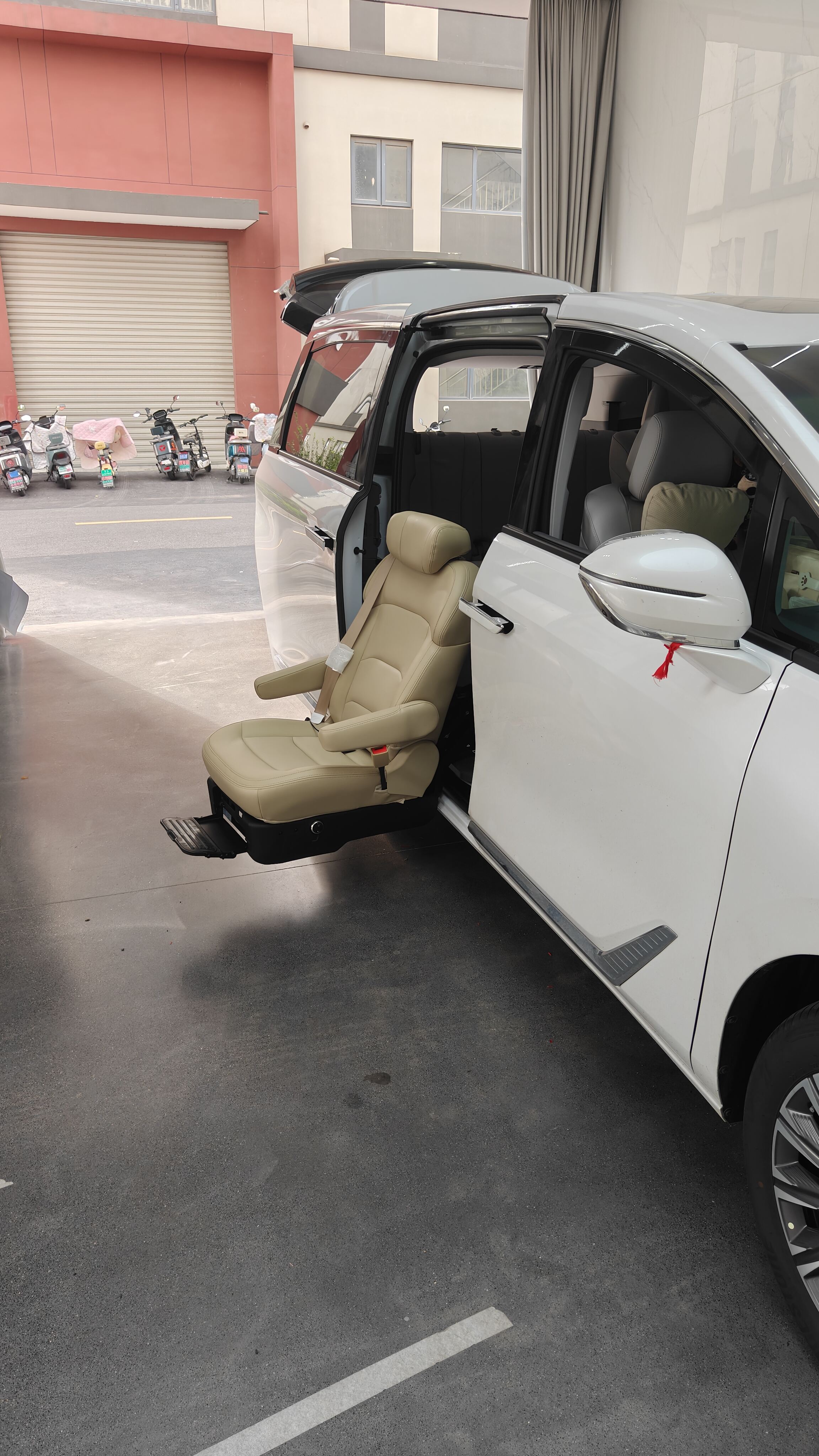
Greater Independence and Dignity Through Self-Managed Transfers
User-Initiated Swivel Motion Enables Autonomous Boarding
Pressing a button or pulling a lever makes the seat turn about 90 degrees toward the door, which opens up space so someone can move sideways from their wheelchair into the car seat without help. When people can start this movement themselves, they don't have to wait around for caregivers to get ready or physically assist them anymore. According to some research published in mobility journals, this reduces the chance of falls and injuries related to strain by around two thirds. The seat also lets users adjust how fast it turns based on what works best for them personally. Some might need it to go slowly with extra support if they struggle with arm control, while others prefer quicker movements when time matters most. What we're really talking about here goes beyond just being able to do things on one's own. It gives back control over everyday travel tasks, saving both body strength and mental effort that can then be used elsewhere once outside the car.
Psychosocial Benefits: Confidence, Privacy, and Reduced Caregiver Dependence
When people can move around on their own, it actually makes a real difference in how they feel about themselves socially. According to some recent studies published last year in rehab journals, folks who manage their own transfers gain about 70 something percent more confidence going out with friends or family. Not needing someone else to help them physically takes away that nagging feeling many have about being dependent on others. Caregivers start seeing themselves differently too - instead of just providing physical assistance, they become more like team members working together towards common goals. This shift creates better relationships where everyone respects each other more. Looking at long term results shows pretty impressive numbers too. People who are autonomous tend to show around 40% fewer signs of anxiety and depression over time. And interestingly enough, those same caregivers report feeling less burned out themselves, about 30% less so according to the data. All these findings point toward a care approach that works well for both individuals and their support networks, built on respect and putting users first in every decision made.
Enhanced Safety and Adaptive Support for Vulnerable Users
Integrated Stability Controls and Crash-Tested Restraint Compatibility
Safety isn't an afterthought but built right into how these seats function from start to finish. Today's swivel car seats come equipped with automatic locks that kick in as soon as the car starts moving, stopping any unwanted spinning or side-to-side movement when accelerating, braking, or taking corners. Manufacturers test these systems thoroughly to work properly with standard car safety features like regular three point seat belts and the way airbags deploy. Some of the newer models actually comply with upcoming international safety rules set by organizations like Euro NCAP for 2026. These regulations require better protection for people of all shapes and sizes, with special attention given to things like improved rollover protection and smart force distribution that helps divert impacts away from sensitive spots like the hips and neck area. Regular retrofitting just doesn't cut it compared to seats specifically designed for this purpose. Properly made swivel seats go through extensive testing according to strict automotive safety guidelines, giving actual protection in real driving situations where mobility limitations mean safety standards need to be even higher than usual.