EN
EN

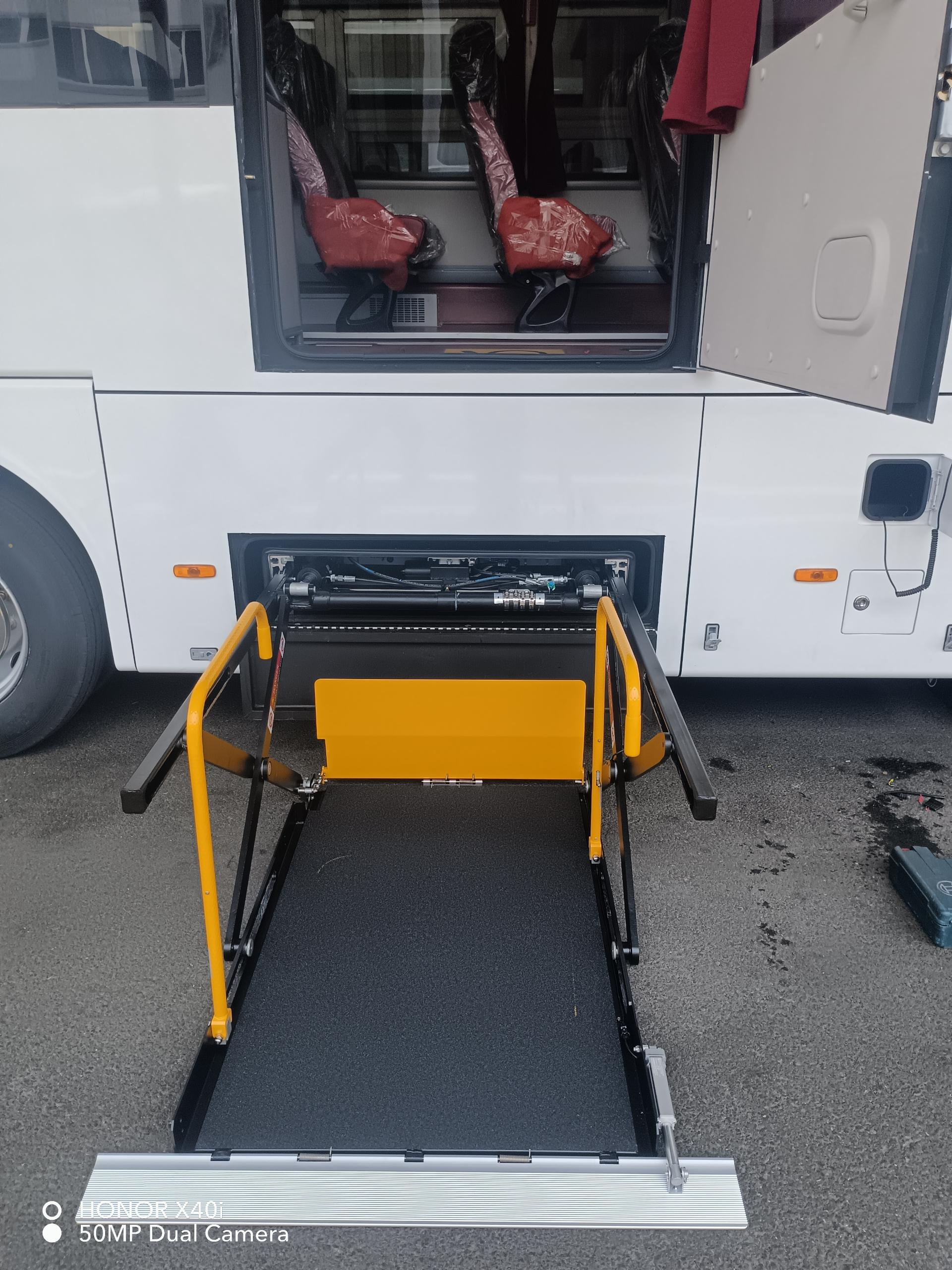
FMVSS Compliance: The Legal and Structural Foundation of Wheelchair Lift Safety
FMVSS No. 403: Platform Lift Structural Integrity and Operational Reliability
Safety for wheelchair lifts starts with making sure the structure can handle what it needs to. According to FMVSS standard 403, these platforms need to hold up under 1.5 times their maximum weight rating without breaking down. That helps them stay strong when moving people around and during normal daily operations. There are several important specs to follow too. The surface where the chair sits should have good grip with at least 0.65 coefficient of friction so nobody slips off. Barriers need to be about 1.5 inches high to stop wheels from rolling away accidentally. And there has to be a way for the lift to come down safely if the electricity goes out somehow. Not meeting these standards is dangerous business. Studies show that problems with structural integrity cause about 23% of all incidents involving wheelchair lifts according to NHTSA data from last year. Companies producing these devices need thorough records showing they've tested everything properly and built in enough safety buffer to pass inspections from regulators.
FMVSS No. 404: Occupant Protection Requirements for Wheelchair Seating Positions
Regulation FMVSS No. 404 sets out specific performance standards designed to keep wheelchair users safe when vehicles are moving or in emergency situations. Lifts that follow these rules need to hold wheelchairs firmly even when subjected to simulated 5g frontal impacts. They also have to restrict wheelchair movement to just over two inches while operating on a 30 degree slope. Plus there are interlock mechanisms required so the lift can't move when ramps are being deployed. Recent research from 2024 showed something pretty impressive actually those certified lifts cut down the chance of injuries by around 68 percent compared to older non-certified versions. Although combining these lifts with WC19 compliant wheelchairs gives extra protection layers, it's still important to remember that FMVSS No. 404 stands as the minimum legal requirement set by federal authorities for ensuring passenger safety across all commercial transportation settings.
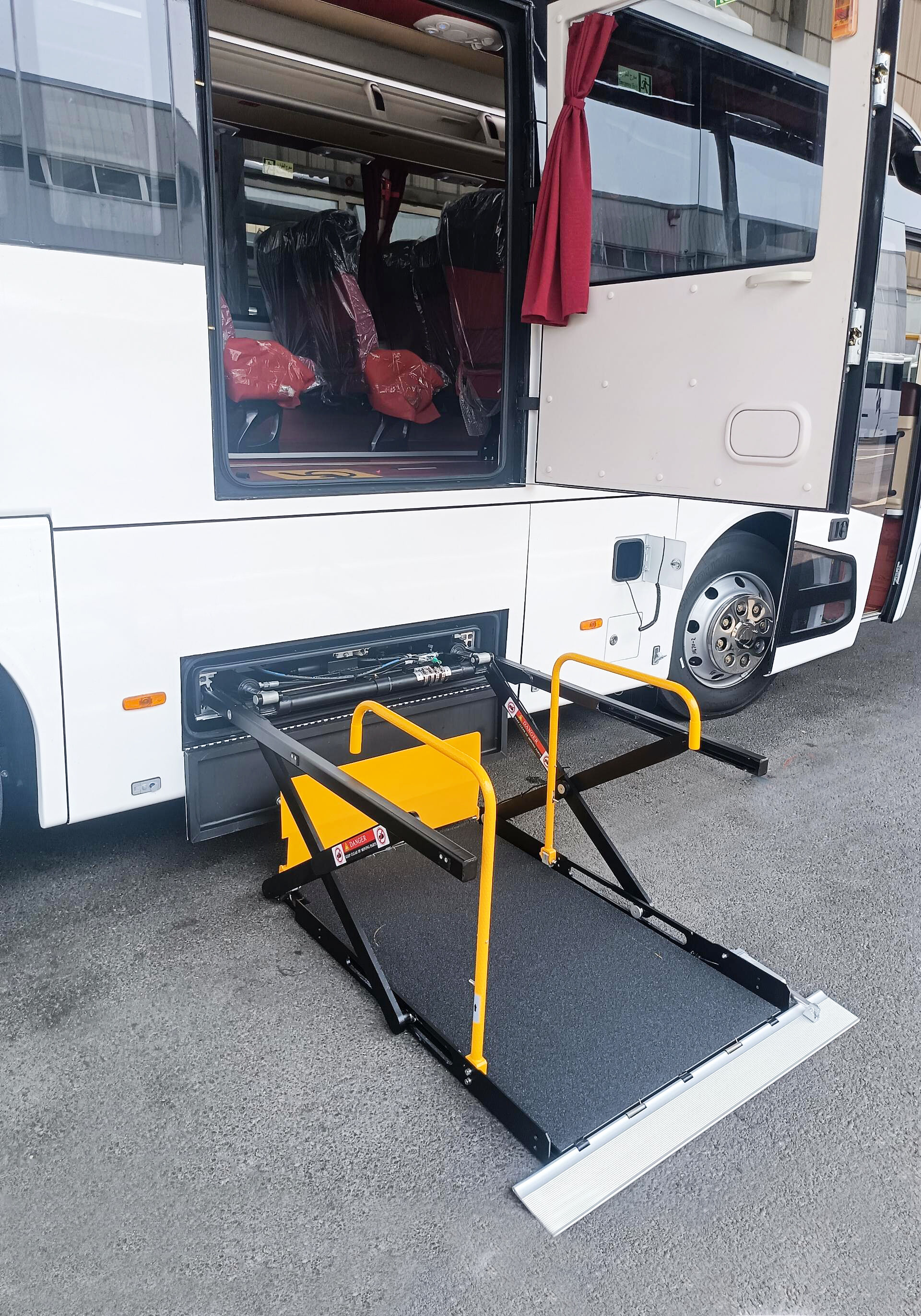
ADA Alignment and Liability Risks in Wheelchair Lift Deployment
How ADA Accessibility Guidelines Reinforce — Not Replace — FMVSS Safety Mandates
The Americans with Disabilities Act, or ADA for short, establishes what counts as accessible when it comes to wheelchair lifts on commercial vehicles. Basically, it's all about making sure no one gets left behind because of their disability. These rules work alongside, though they don't take over from, FMVSS numbers 403 and 404. Those standards deal with how strong these lifts need to be and whether they can protect people during accidents. Think of it this way: ADA makes sure there actually IS a lift available when someone needs it, whereas FMVSS focuses on whether that lift will hold up under pressure. If businesses ignore ADA guidelines, they risk getting sued for discrimination. But messing with FMVSS regulations? That could lead to serious problems down the road including equipment failures and potential injuries. Both sets of rules matter. One handles the technical side of things, keeping everyone safe mechanically speaking. The other makes certain we're following our legal duty to treat disabled individuals fairly. Skip either one and companies end up facing both trouble in courtrooms and dangers out on the road.
Legal Consequences of Noncompliant Modifications to Existing Wheelchair Lift Systems
Tinkering with wheelchair lifts by removing safety sensors, changing platform sizes, or turning off interlocks breaks rules set by FMVSS standards and ADA Title III regulations. These kinds of changes can really mess with how stable the lift actually is, wipe out all those manufacturer certifications, and end up creating illegal access problems for people who need them most. When things go wrong, the consequences are serious stuff too. Companies often face huge fines from the DOJ when they violate ADA requirements, sometimes running into six figures. And if someone gets hurt because of these unauthorized changes? Personal injury lawsuits typically land around $740k on average according to research from Ponemon Institute back in 2023. Looking at accident reports over time shows a clear pattern where most failures come down to unapproved modifications that never went through proper engineering checks. For anyone operating these devices, keeping track of original specs matters a lot. Even small tweaks should be followed up with inspections from outside experts to make sure everyone stays safe and compliant with their responsibility towards users' well being.
Wheelchair Securement and Platform Safety: WC19, Tie-Downs, and Real-World Protection
Integrating WC19 Wheelchair Certification with FMVSS No. 209/210 Securement Standards
Real occupant protection happens when wheelchairs that have WC19 certification (these are chairs built with stronger frames and proper securement points) work together with tie down systems that follow FMVSS No. 209/210 regulations. When these systems can actually work with each other, they keep wheelchairs from moving more than 2 inches during crashes at speeds around 30 mph. Each attachment point needs to handle at least 5,000 pounds of force according to requirements. What this means is simple: wheelchairs stop being just random objects in vehicles and become part of the overall safety system. Studies show people using properly integrated setups face 76% less risk of getting hurt compared to those without integration. For anyone managing fleets, checking that all parts match up between the wheelchair certifications and actual hardware matters a lot. Even if individual components pass their own tests separately, mixing incompatible parts basically cancels out any protection benefits during accidents.