EN
EN

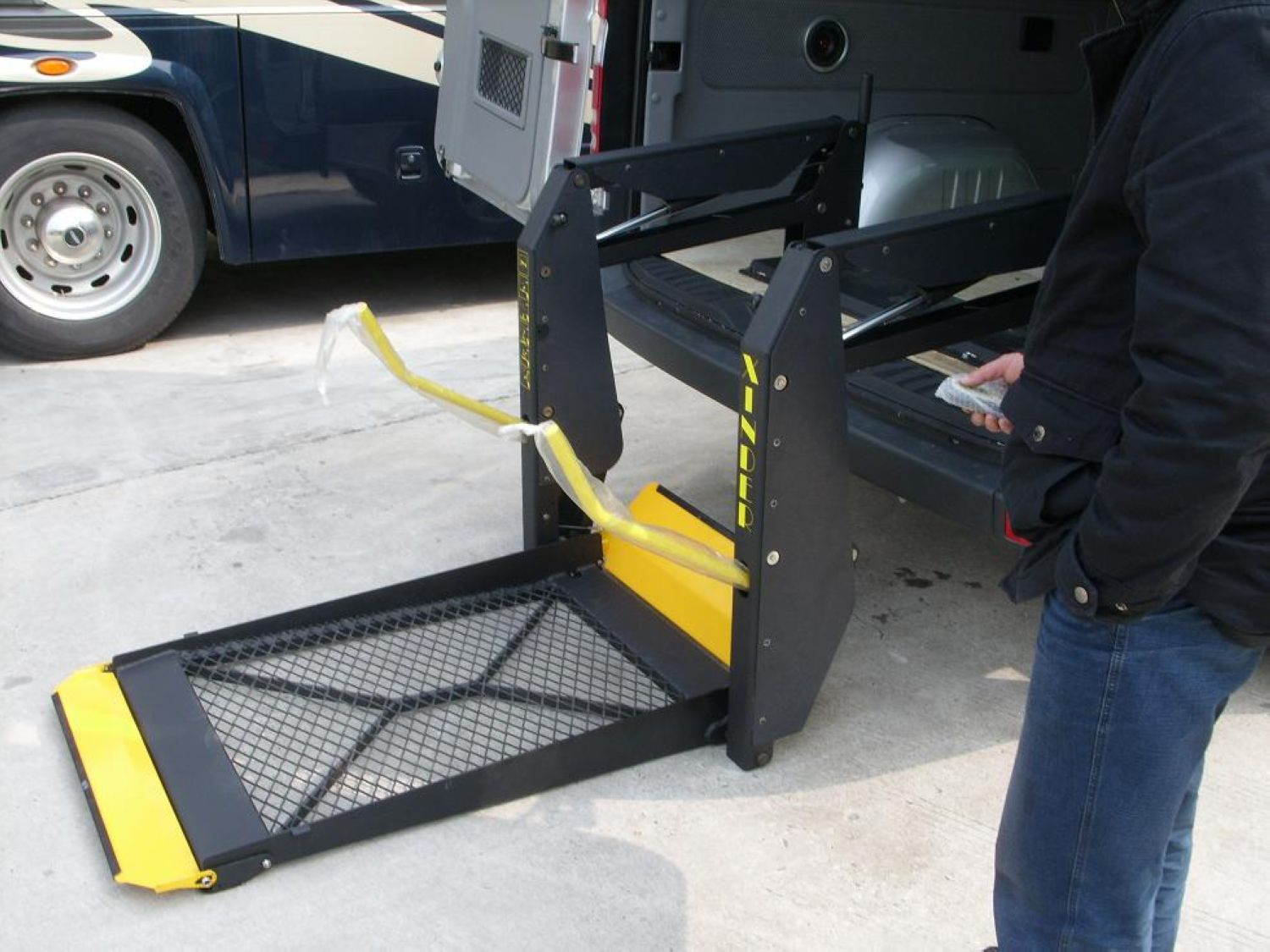
Enhanced Mobility and Independence for Wheelchair Users
How wheelchair lift integration enables seamless, self-directed boarding
Wheelchair lifts give people the freedom to get onto buses and trains without needing help from staff members all the time. This kind of independence really matters for maintaining personal dignity when moving around in public spaces. When platform lifts are put at the front of vehicles, folks in wheelchairs can manage their own entry into transportation, something that lines up well with what accessibility laws aim to achieve. Ramps have their place but they often need someone else to assist or demand just the right positioning. Lifts work reliably every single time no matter if the curb is high or low, whether the bus kneels down properly, or even during bad weather days. Research indicates that when people operate these lifts themselves, boarding takes about 40% less time than with traditional ramps. Plus, these modern lift systems don't take up much space inside the vehicle and keep everything structurally sound because they're built right into the design rather than added on top.
Real-world impact: Metro Transit Authority's 37% rise in independent boarding after wheelchair lift deployment
The big transit system in the Midwest noticed something interesting happening after they started installing those standard wheelchair lifts on all their buses. Within just 18 months, wheelchair users were able to board independently 37% more often than before according to Transit Journal's report from last year. And guess what? Around the same time, regular trips by wheelchair passengers went up by 22%. Makes sense really, when folks can get on and off without help, they tend to ride more often. The improvements didn't stop there either. Those fancy fail-safe hydraulics plus the grippy platforms cut down accidents during boarding by nearly 30%. So it turns out good engineering doesn't just make things safer, it actually helps bring everyone into the fold socially speaking too.
Universal Accessibility Across Public Transit Infrastructure
Bridging the curb-to-vehicle gap: Why ramps fall short and wheelchair lifts provide consistent access
Accessibility problems with ramps are pretty common actually. Many have slopes steeper than what the ADA suggests at 1:12, plus there's always the risk of slipping when it rains or freezes over. And let's face it, finding enough room to deploy them properly can be tough in crowded city areas too. All these issues lead to wobbly transfers where wheelchairs tip over quite frequently too - studies show this happens in around 23% of cases according to Metro Analytics from last year. Automated wheelchair lifts work differently though. These systems don't rely on good weather or flat surfaces because they move vertically with precise control while aligning themselves properly on platforms. Passengers get safely from sidewalk level onto the bus floor no matter if the road is bumpy, the bus has knelt down, or snow is falling outside. The difference is noticeable too. Boarding takes about 40 seconds less on average for each person, and nearly seven out of ten help requests that used to come up with regular ramps simply disappear when using these lift systems instead.
Standardization trend: USDOT 2023 data shows shift toward integrated wheelchair lift systems in BRT and fixed-route fleets
Wheelchair lift systems built right into buses have become standard equipment these days instead of being added later as afterthoughts. According to recent data from the U.S. Department of Transportation in 2023, around 8 out of 10 new Bus Rapid Transit vehicles come with lifts installed at the factory. That's actually a pretty big jump from just four years ago when only about 45% had them. Across the country, most fixed route buses purchased now also feature these integrated lifts, sitting at roughly 74%. The move toward built-in accessibility makes sense for several reasons. Cities are staying ahead of requirements under ADA Title III while saving money too—around $11k per bus not having to retrofit later. Maintenance folks notice something else too: buses with factory installed lifts need repairs about 44% less often compared to those with bolt-on systems. Looking forward, many big city transit systems aim to get their entire fleets updated by 2028, which means more people with mobility needs will find getting around much easier across the board.
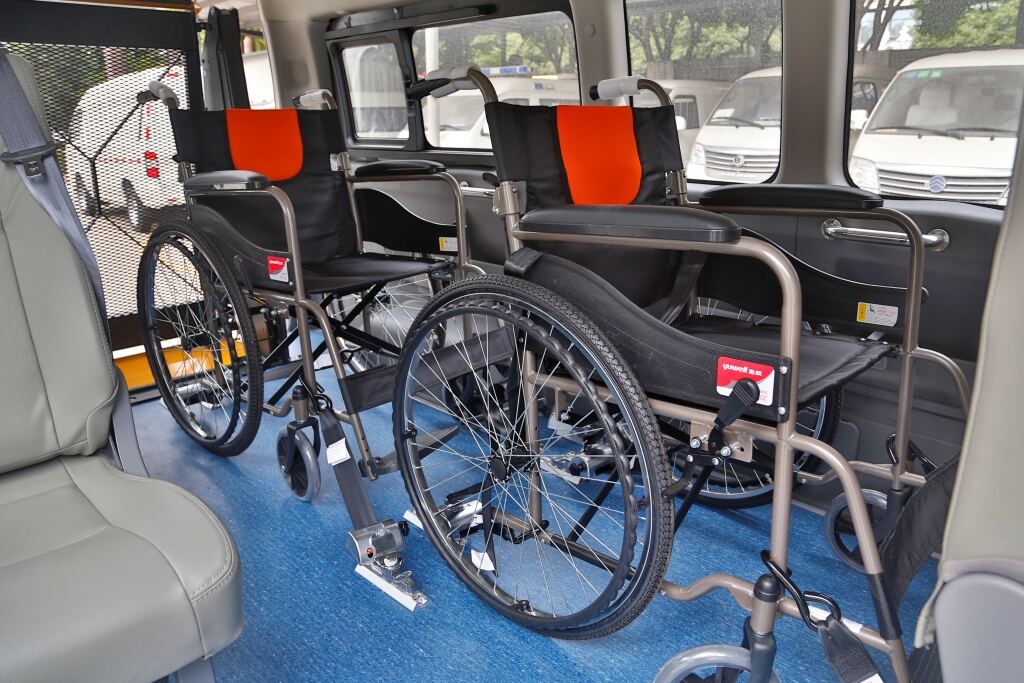
Regulatory Compliance and Strategic Inclusivity Outcomes
ADA Title III requirements for wheelchair lift installation, operation, and maintenance
Under Title III of the Americans with Disabilities Act, public transit companies need to equip new buses with wheelchair lifts, check them monthly for wear and tear, and train drivers properly on how these devices work safely. The lifts themselves have pretty strict standards too they should unfold completely within 20 seconds, hold at least 600 pounds without buckling, and include non-slip flooring plus both sound signals and physical buttons that riders can actually feel. Failure to follow these rules comes with serious consequences from the government, potentially costing businesses as much as $75k for each time they get caught short (as noted by the U.S. Department of Justice back in 2023). And let's not forget those pesky audit requirements either transportation agencies must keep detailed records showing when repairs happened and what kind of regular maintenance was performed to prove compliance isn't just something they talk about.
Balancing investment and equity: How proactive wheelchair lift adoption reduces long-term compliance risk and service disparities
Getting ahead of compliance issues turns what was once just another box to check into something that actually adds value for organizations. Transit agencies that put off installing lifts end up paying around three times more in legal fees compared to those who get started early according to Transit Journal last year. And folks on wheelchair accessible routes still wait about 40 percent longer when services aren't compliant. Buying vehicles with lifts already installed instead of adding them later cuts down overall costs by roughly 22%. This happens because companies can buy in bulk, train technicians using standard methods, and keep track of spare parts more easily. When transit systems involve local communities in planning and openly share how well things are working, they gain people's trust, create fairer access for all riders, and basically become role models for making transportation work better for everyone.
Proven Safety Improvements with Modern Wheelchair Lift Systems
Wheelchair lifts today come with multiple layers of safety features that beat traditional manual methods or ramps hands down. These systems won't start working until everything lines up properly and stays secure. If something gets in the way or things aren't positioned right, built-in sensors stop everything dead in its tracks. During transport, anti-tip guards kick in along with automatic restraints to keep wheelchairs stable, even when vehicles suddenly slow down. The numbers back this up too - recent accessibility checks from 2023 showed around 42% fewer problems with boarding once these lifts were installed. Another big plus? They actually help protect bus drivers and other transit staff. Less need to physically move wheelchairs means fewer injuries overall. Musculoskeletal issues alone make up about 31% of all worker compensation claims according to the National Transit Database last year. And there's constant monitoring going on behind the scenes too. The system keeps tabs on hydraulic pressure levels, how much strain motors are under, and whether the platform remains level. When anything goes beyond safe limits, it automatically shuts down before anyone gets hurt. This balance between tech and human judgment makes these lifts both reliable and trustworthy.