EN
EN

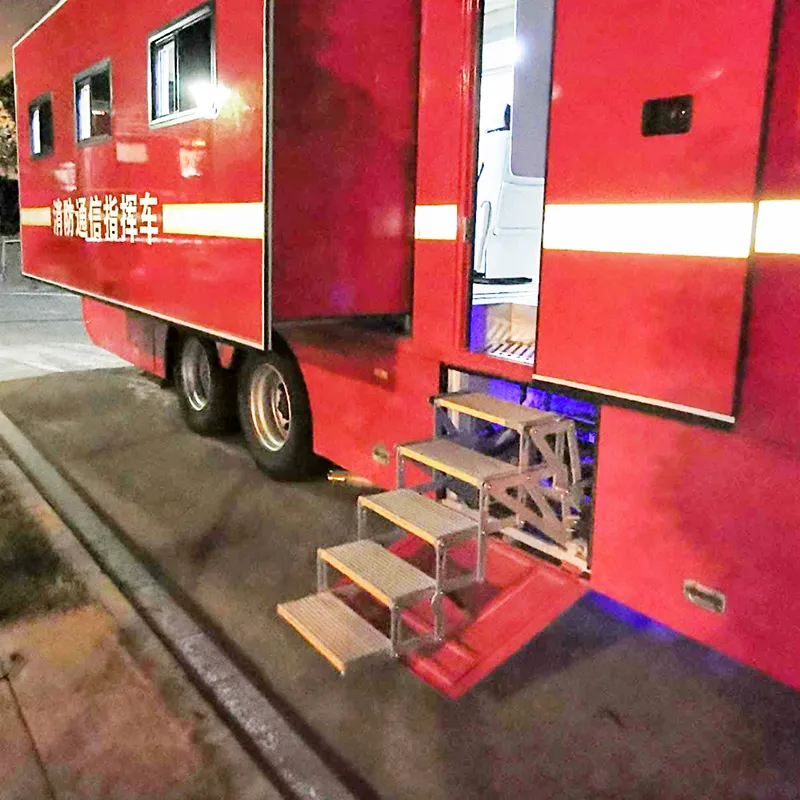
Why RV Electric Steps Are Essential for Modern Recreational Vehicles
Electric steps on RVs really change how people get in and out safely these days. Most motorhomes and fifth wheels have those high steps that stick out, making it easy to trip if you're holding stuff or trying to climb up in bad weather. Manual steps need someone to pull them down every time, but electric ones pop out automatically when the door opens, giving folks a solid platform no matter what kind of ground they're standing on. This feature makes all the difference for older campers and families with kids running around. According to RVIA stats, falling from those high steps causes more than 40% of injuries related to RVs each year, which explains why so many owners are switching to automatic systems now.
These systems do more than just prevent accidents they actually make life easier for RV owners because they work right with the standard 12V electrical setup most RVs already have. No need to fumble around with steps when it's raining or snowing outside since these systems handle everything automatically. They don't drain much power either usually less than 15 amps which means batteries last longer when camping away from hookups. When someone closes the door, the steps retract instantly so there's no risk of them getting stuck during travel. We've seen this trend change over time as manufacturers build taller RVs packed with fancy features. What used to be considered a nice to have upgrade is now basically required equipment for safe access. People want to get in and out of their rigs without worry whether they're parked on a muddy campsite or navigating city streets.
Key Features to Evaluate in RV Electric Steps
Load Capacity and Step Depth for Safety and Accessibility
When shopping for electric steps for an RV, look for ones that can handle at least 300 pounds so they'll actually support people and their stuff without failing. Steps with deeper treads around ten inches or more make all the difference when it comes to slipping, especially if someone needs to get in while the campsite is muddy or after a rainstorm. According to industry reports, these properly sized steps cut down on falls during boarding by about one third compared to smaller alternatives that just don't cut it. The height matters too. Most RV entry points sit between sixteen and twenty inches off the ground, so getting steps that match this range prevents those frustrating climbs that put unnecessary strain on knees and hips. Just remember to measure twice before installing anything.
Weather Resistance and Corrosion Protection for Longevity
When building outdoor steps, go with marine grade aluminum that has been powder coated. These materials stand up against salt air and damp conditions for around five times longer compared to regular steel, according to lab testing that speeds up normal wear and tear. The important parts like hinges, electric motors, and those control boxes need to be made with stainless steel bits and have proper sealing rated at least IP67 so they won't let dust or water get inside. Checking these coatings once every year makes sense too. Look closely for any tiny spots where corrosion might start showing up. With this kind of maintenance, most installations last well past eight years even when installed near the ocean or somewhere constantly humid.
Installation Considerations and Compatibility with Your RV Model
Frame-Mounted vs. Door-Jamb Mounted Systems
How something gets mounted makes all the difference when it comes to how strong and reliable a structure will be over time. Frame mounted systems are bolted right onto the RV chassis itself, which spreads out the weight better and gives much needed stability, especially important for those big heavy duty Class A models and diesel pushers that weigh tons. The way these systems work actually takes pressure off door frames, which is why most newer RV manufacturers stick with this approach according to RV Industry Association safety standards. Door jamb mounted alternatives clip onto the entry area instead, making them easier to install on older units or smaller RVs without proper frame reinforcement. But watch out folks these tend to show signs of wear faster if used regularly with heavy gear loading. Before picking any system though, take careful measurements of that entry step well space first. Not enough room there means parts might get stuck or jammed while opening and closing.
Wiring, Power Source Integration, and OEM vs. Aftermarket Fitment
Getting the electrical connections right takes careful attention to detail. When it comes to original equipment manufacturer (OEM) steps made specifically for certain RV models, most come with ready-to-use wiring harnesses that connect straight to the factory installed door sensors. This setup cuts down on all the complicated wire routing work and keeps the steps operating reliably in sequence. For those looking at aftermarket systems though, there's some important checking to do first. Make sure there's enough 12V power close to where everything gets installed, check if the motor voltage matches what the RV already uses, and figure out if any changes need to happen to the existing wiring. Water resistant connectors and circuits protected by fuses aren't optional extras they're essential safety measures that stop dangerous short circuits from happening. According to industry data from 2023, people who went with aftermarket options saved around $220 on average through the RV Industry Association. Still, even with these savings, many experts recommend having someone qualified handle the installation for non-OEM products. This ensures everything works smoothly with the door sensors and operates safely every single time without fail.
Top-Rated RV Electric Steps Brands and Performance Comparison
The best makers of RV electric steps stand out because they focus on lasting quality, smart designs, and good customer service rather than just throwing in extra features. Most top quality models can handle weights between 500 to 1000 pounds, built with either marine grade aluminum or stainless steel for strength. Their motors come with three seals which helps prevent problems from bad weather conditions, cutting down failures by about 30 percent based on tests done by RVIA. When it comes to warranties, there's quite a difference across brands. Some companies actually promise lifetime coverage for mechanical parts, whereas cheaper options might only give 1 to 5 years of limited protection. The integrated wiring systems save people loads of time when installing these themselves compared to generic kits, sometimes saving around 40%. And let's not forget about support after purchase either. Brands that have proper tech help lines and easy access to replacement parts tend to get much better feedback from owners. Studies show satisfied customers are roughly 50% happier overall, proving that good service matters almost as much as solid engineering when it comes to how well these steps really perform in real life situations.
| Comparison Dimension | Industry Benchmark | Performance Impact |
|---|---|---|
| Weight Capacity | 500–1000 lbs | Accommodates all RV classes |
| Weather Protection | Triple-sealed components | 30% fewer failures |
| Warranty Duration | 1–5 years (standard); lifetime (premium) | Long-term value assurance |
| Installation Time | 2–4 hours | 40% faster with integrated harnesses |

Maintenance Best Practices to Extend RV Electric Steps Lifespan
Cleaning, Lubrication, and Sensor Calibration Tips
Regular maintenance is key to keeping things running smoothly and avoiding early breakdowns. Give those steps a good cleaning once a month with just plain soap and water. Don't forget those tricky spots like hinges, rollers, and all the little nooks where road salt builds up over time. Once every three months or so, put some silicone lubricant on all the moving parts. Stay away from petroleum stuff though because it actually pulls in dirt and makes everything wear out faster. Check those safety sensors twice a year too. Just stick something soft like a rolled up towel under the extended steps. If they don't pull back right away, then it's time to go through whatever process the maker recommends for getting them back in sync. Following these simple habits keeps everything aligned properly, takes pressure off the motor, and ultimately means fewer repairs down the road since we're basically preventing small issues from becoming big problems.
Troubleshooting Common Issues (e.g., Non-Deployment, Intermittent Operation)
The majority of problems with electric steps can usually be fixed by going through the system step by step. When the steps won't deploy at all, start by checking if there's 12 volts reaching those motor terminals. Also look out for any blown fuses or circuit breakers that might have tripped. Don't forget to peek inside the step well area too sometimes stuff gets stuck there. Steps that work fine one moment then stop working another often point to corrosion on switch contacts or grounding issues somewhere. A good way to fix this is cleaning those connection points with proper contact cleaner and making sure all grounds are tight and secure. Now when the steps seem to stumble or pause halfway through their movement, grab a multimeter and check what voltage shows up at the motor while it's running. If readings drop consistently below 11 volts, that typically means either the motor brushes are getting worn down, capacitors are starting to fail, or maybe the wiring isn't thick enough for the load. These kinds of issues need fixing right away before they cause bigger problems down the road like damaged gear systems or fried control boards.
Table of Contents
- Why RV Electric Steps Are Essential for Modern Recreational Vehicles
- Key Features to Evaluate in RV Electric Steps
- Installation Considerations and Compatibility with Your RV Model
- Top-Rated RV Electric Steps Brands and Performance Comparison
- Maintenance Best Practices to Extend RV Electric Steps Lifespan