EN
EN

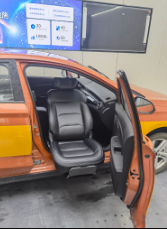
FMVSS Compliance: The U.S. Legal Baseline for Car Swivel Seat Safety
Why FMVSS 207 (Seating Systems) and FMVSS 213 Are Critical for Swivel Seat Integration
The swivel mechanisms need to handle serious force just to satisfy FMVSS 207 standards. According to NHTSA data from 2023, these parts have to resist at least 3,300 pounds of forward pressure on all seat components. When rotation systems don't meet this requirement, there's a real danger of them coming completely loose in accidents. Child safety is another major concern since FMVSS 213 requires rigorous crash tests at each possible rotational angle to make sure child restraints stay properly attached. Manufacturers who skip either certification end up creating products that might be easier to access but fail basic safety principles. These seats essentially sacrifice critical crash protection for convenience, which creates dangerous situations for passengers.
Lap/Shoulder Belt Anchorage & Restraint Compatibility Under FMVSS 209 and 225
FMVSS 209 sets requirements for seat belts to maintain their position during the entire rotation cycle. This helps avoid situations where slack develops or the belt gets misrouted, which can lead to dangerous submarining injuries. Then there's FMVSS 225 that comes into play too. This standard demands stronger LATCH anchor points so child seats stay securely fastened no matter what angle the seat is swiveled to. According to tests conducted by IIHS back in 2022, designs that don't meet these standards allow occupants to move forward about 40% more during front collisions. For manufacturers, checking that belt paths line up properly in every possible position isn't optional. If they skip this step, they're essentially undermining what makes rotating car seats safe in the first place.
Global Standards: ECE R129 (i-Size), TÜV, and ATEEL for International Car Swivel Seat Validity
ECE R129’s Dynamic Testing and Occupant Positioning Requirements for Rotating Seats
The ECE R129 standard, commonly known as i-Size, puts rotating car swivel seats through intense crash tests involving both side and front impacts at speeds over 50 km/h. During these tests, engineers measure how forces spread across the seat and track head movement patterns. For child restraints, staying at the right torso angle when rotated is critical. The seat hardware itself needs to handle loads of around 25 kN before breaking down. These specifications help keep kids properly positioned so they don't slip under the harness (submarining) or suffer head injuries. Basically, the testing confirms that safety features can actually work during those tricky rotational movements we see in real accidents.
TÜV Rheinland and ATEEL: What Independent Crash Validation Actually Confirms for Car Swivel Seats
TÜV Rheinland and ATEEL have done their own checks looking at how well structures hold up when things get really extreme in the real world. The testing shows that those swivel joints can take 20G of force without bending out of shape. When something hits them, the locking parts snap into place within just 0.3 seconds. Even after being turned back and forth 10,000 times, everything still works as it should. The experts check how materials wear down over time, especially between temperatures of minus 30 degrees Celsius all the way up to 85 degrees. For motorized versions, ATEEL makes sure the electrical bits work properly too. What matters most is that people can still get out safely after a collision happens. These tests actually show better performance than what regulations require for safety standards.
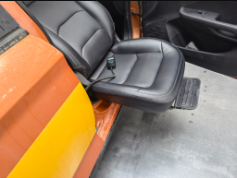
Reading the Label: How to Verify Genuine Car Swivel Seat Certification
Mandatory Markings, Traceability Codes, and Regulatory Placement Rules (49 CFR Part 571 / UN ECE Annex 17)
Genuine car swivel seat certification requires visible, permanent markings under U.S. and international regulations. FMVSS-compliant seats must display standardized labels with certification numbers (e.g., FMVSS 213), manufacturer identification, production date, and scannable QR codes or traceability IDs linked to test documentation.
Under 49 CFR Part 571, these markings must remain legible throughout the product’s lifespan—even after environmental exposure. Internationally, UN ECE Annex 17 mandates:
| Verification Element | Requirement |
|---|---|
| E-mark placement | Within 10 cm of rotation mechanism |
| Label durability | Resistant to abrasion and chemicals |
| Code accessibility | Scannable without seat disassembly |
Always cross-check traceability codes through official regulatory databases to confirm dynamic test compliance. Illegible, missing, or non-scannable markings indicate uncertified products.
Bridging the Gap: Why Most Aftermarket Car Swivel Seats Lack Full Certification — And What Buyers Should Demand
Most aftermarket car swivel seats don't get those full certifications such as FMVSS or ECE R129 because testing is so expensive and the engineering work required is really complicated. To meet standards like FMVSS 207 which looks at how well seats hold up during accidents, plus FMVSS 213 regarding whether they work properly with child restraints, companies need to run all sorts of crash tests that can cost way over half a million dollars just for one design version. A lot of manufacturers simply skip this whole process since it's too costly, choosing instead to focus on keeping prices low rather than proving their products actually comply with regulations. The problem here is obvious though – consumers end up buying seats whose safety claims aren't backed by any real evidence or official documentation.
When shopping for car seats, consumers need to look for actual certification marks they can see, like those UN ECE R129 labels or FMVSS statements somewhere on the product. They should also ask for test reports that show exactly what happened during testing for things like anchor strength, how the belts route through the system, and how well the seat performs in crashes when rotated different ways. Independent checks from places like TÜV matter a lot too, particularly when it comes to seeing how these seats handle dynamic loads at those rotation points. Look specifically for seats that have documentation tied directly to regulations found in 49 CFR Part 571 or UN ECE Annex 17. Avoid products that just say "meets standards" without specifics. Real certifications come with records that can be checked by anyone who wants to audit them. If there's no documentation available, that usually means there's something wrong worth investigating further.
Table of Contents
- FMVSS Compliance: The U.S. Legal Baseline for Car Swivel Seat Safety
- Global Standards: ECE R129 (i-Size), TÜV, and ATEEL for International Car Swivel Seat Validity
- Reading the Label: How to Verify Genuine Car Swivel Seat Certification
- Bridging the Gap: Why Most Aftermarket Car Swivel Seats Lack Full Certification — And What Buyers Should Demand