EN
EN


Biomechanical Advantages of a Car Swivel Seat for Seniors
Reducing Hip Flexion and Knee Load Through Controlled Rotation
Car swivel seats help reduce stress on joints because they let people turn their bodies toward the door before getting up. When someone rotates while sitting, the hips don't have to bend as much as they would with regular car seats. Some studies suggest this can cut down hip flexion angles by around 40 degrees, which means less pressure gets transferred to sensitive joints and instead goes through the seat's special rotating part. As the person moves, their weight spreads out more evenly over the pelvis and legs. This helps keep knee strain low and prevents those sudden jolts of pain in muscles, ligaments, and especially for folks dealing with arthritis in their joints.
Evidence: 68% Pain Reduction in Transfers (AARP 2023 Mobility Survey)
There's solid evidence backing up these claims. Seniors who tried out swivel seats said they experienced about 68 percent less pain when getting into and out of cars, based on findings from the AARP Mobility Survey released in 2023. Researchers think this happens because the seats reduce twisting motions on those achy joints and spread body weight more evenly as people move around. Another interesting point worth mentioning is that participants had roughly half as many balance issues compared to before they started using these special seats. This really does show how important good design can be for preventing falls at exactly the times when it matters most like when entering or exiting vehicles.
Medical Appropriateness of Car Swivel Seats for Common Age-Related Conditions
Supporting Arthritis and Parkinson's Patients During Seating Transitions
Seniors living with osteoarthritis or Parkinson's often struggle with getting in and out of cars because regular transfers put too much stress on their already weakened joints. This can make symptoms worse, including stiffness, slow movements, and trouble staying balanced. The solution? Car swivel seats that cut down on hip bending by around 40 to 60 degrees when entering or exiting vehicles. This simple change means less pressure on sore or damaged joints. The slow, controlled spin of these seats helps people shift their weight safely something really important for those who have balance issues or move slowly. Research indicates these special seats can actually reduce falls by about two thirds among older adults. Plus, most models come with comfortable handles and stable pivot points that let folks transfer on their own, maintaining independence and cutting back on the need for help from caregivers.
Enabling Safer Post-Surgical Recovery After Hip or Knee Replacement
After hip or knee replacement surgery, people face serious restrictions on how much they can bend their legs (no more than 90 degrees) and any kind of twisting movement. Getting into regular cars becomes dangerous and could actually damage the new implants. That's where swivel seats come in handy. These special seats let patients pivot sideways while staying within safe movement limits, which helps prevent those dreaded hip dislocations and reduces stress on fresh surgical wounds. The design typically includes a stable non-rotating base along with cushioning that spreads out pressure evenly across the body. This setup keeps the surgical area protected while still providing necessary support. Most orthopedic doctors suggest using these rotating seats for around six to twelve weeks after surgery. Studies show that patients who follow this advice tend to have about 70 percent fewer problems needing hospital readmission because of dislocations later on.
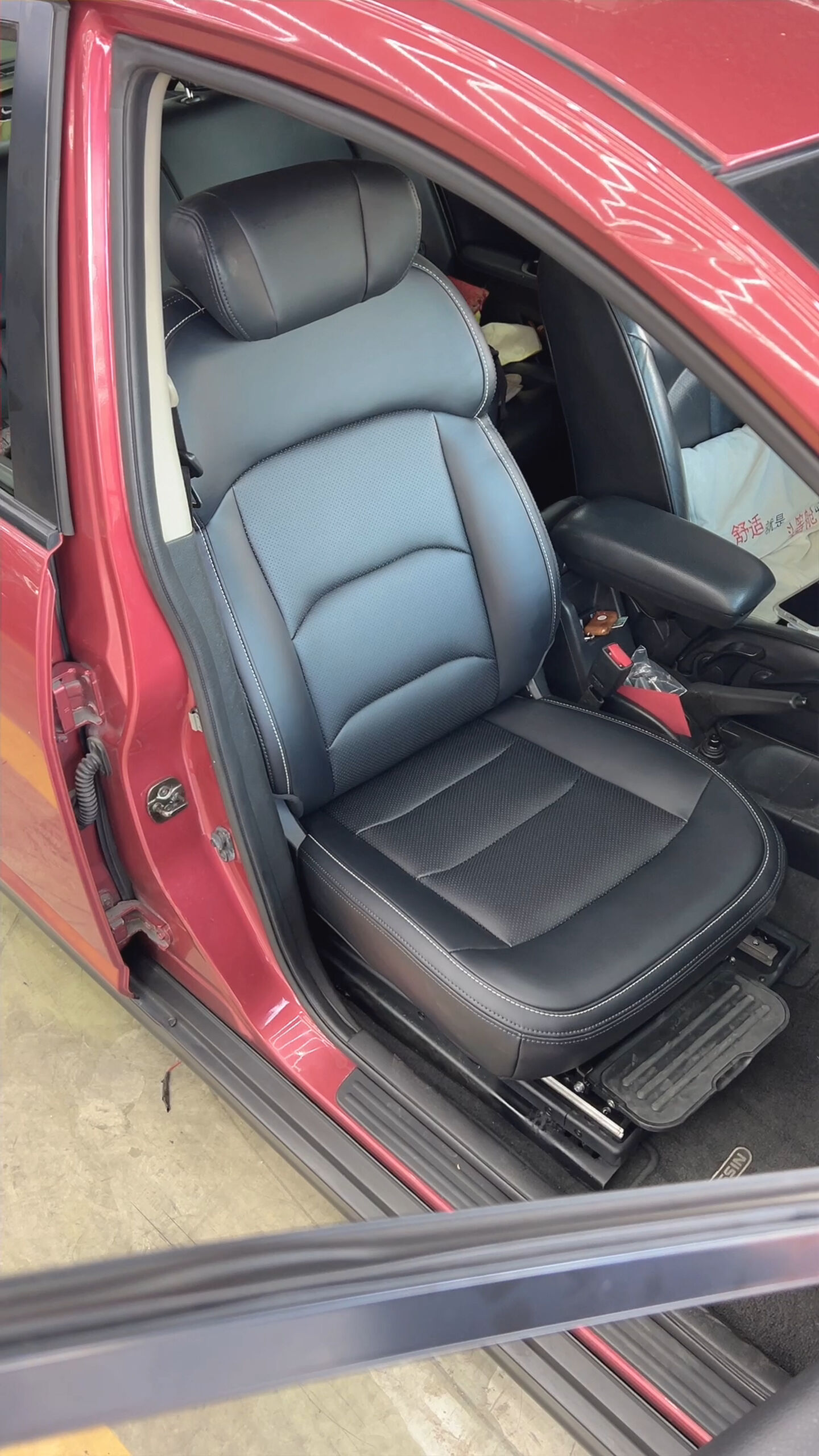
Design Features That Enhance Safety and Usability in a Car Swivel Seat
Pressure-Relieving Cushions and Non-Slip Bases for Fall Prevention
Memory foam cushions packed with high density spread out the pressure when someone sits down or moves around, which helps prevent those painful spots on the skin that can lead to sores and back problems. This is really important for older adults who might not move much or have nerve issues that make them unaware of discomfort. The seats also come with rubber bases that stick to car seats firmly, giving users something solid to rely on when transferring positions. And there are special rotating parts that let everything turn smoothly without slipping unexpectedly, making it easier to manage those moments when body weight needs careful balancing.
Stability Engineering: Balancing Rotation Range with Structural Integrity
Swivel mechanisms have been designed to offer around 70 to 90 degrees of rotation control. This range works well for most transfer situations, keeping things safe and comfortable without letting someone overextend or lose balance completely. When the swivel reaches its maximum position, those reinforced steel pins lock in place automatically, which keeps the whole seat stable while driving along roads or highways. Manufacturers put these through extensive testing regarding how weight gets distributed across different body shapes too. The seats can handle over 300 pounds comfortably. What makes these designs really stand out is how they're set up to keep the pelvis aligned naturally and joints neutral throughout movement. Safety remains top priority here, but users also gain back some independence in their daily routines because of this thoughtful engineering approach.
Practical Considerations When Choosing a Car Swivel Seat
Picking out a car swivel seat needs attention to several important factors including safety, how well it fits with existing equipment, and whether it makes sense for specific medical needs. Start by checking that the seat can handle at least 20 percent more weight than the person using it, since things get heavier when moving around in the car. The spinning part should move smoothly through about 90 degrees without any jerking motions, which helps people get in and out without pain or strain. But remember, it also has to stay completely locked down when driving so there's no risk of sudden movement. Before buying anything, measure carefully inside the car looking at door openings, how deep the seat tracks are, and overall headroom space. If something doesn't fit right, the seat might not rotate properly or fail to lock securely. Look for seats with good grip on the floor and comfortable memory foam padding that takes pressure off sensitive areas. These features matter especially for folks dealing with conditions like arthritis, nerve issues, or recovering after surgery. How these seats install varies quite a bit too. Some come ready to attach quickly to standard car seats without tools, but others need professional help because they connect to electrical systems or structural parts of the vehicle. Never just assume something will work based on pictures online. Always try one in the actual car first, since things like door opening angles and where the seat sits can make all the difference in real life. People recovering from operations should pay extra close attention to make sure the way the seat turns doesn't force them into awkward positions their doctors would frown upon.