EN
EN

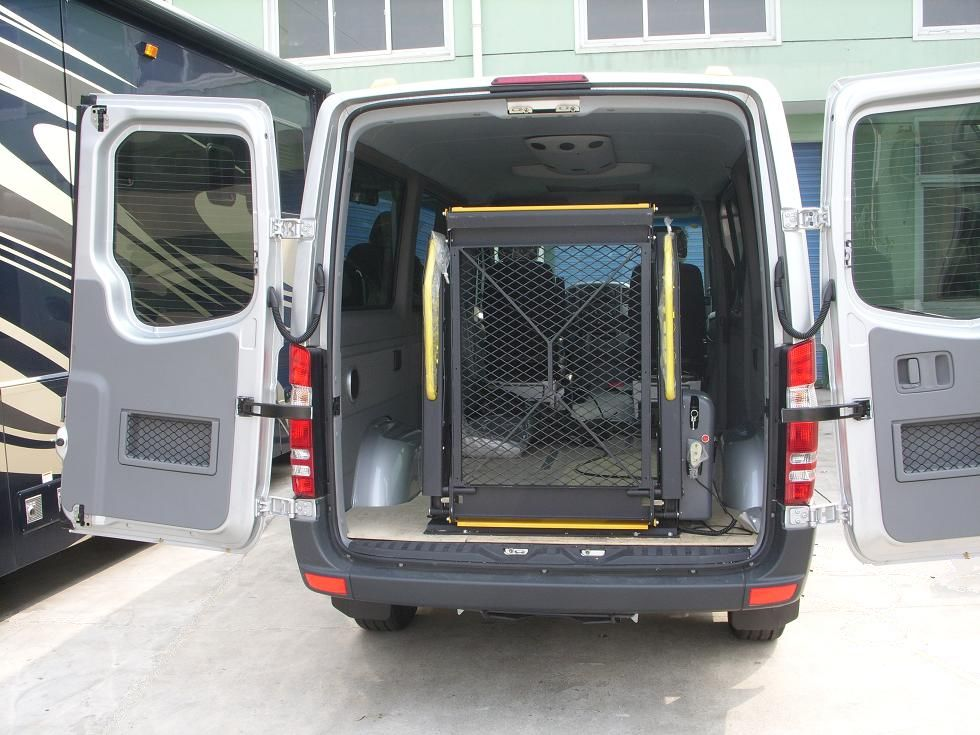
Wheelchair Lift Types Optimized for Compact Vehicles
Inside Vehicle Lifts and Hoists: Maximizing Limited Interior Space
Interior mounted wheelchair lifts are great for small cars because they save space without sticking out from the body. The system usually has a folding platform or hoist built right into the passenger area which means the trunk stays usable and there's no need for any special hitch on the back. When folded away, these lifts take up minimal room so everyone else can still sit normally inside. But getting one installed properly requires careful measurements of how much space is available between the door frame and ceiling. Something as simple as a 5 inch tall platform might actually make it impossible to get around comfortably in really tiny cars. Safety matters too. The total weight of whoever is using the lift plus their wheelchair needs to stay under what the manufacturer says it can handle, usually somewhere between 250 and 350 pounds. Going over this limit puts stress on the mechanism and creates dangerous situations especially in tight spaces where there isn't much margin for error.
Outside-Mounted Power vs. Manual Wheelchair Lifts: Balancing Accessibility and Compact Footprint
Wheelchair lifts that mount on the outside of vehicles connect through standard hitch receivers, though getting them to work right with smaller cars can be tricky business. Electric versions make life easier for folks who struggle with lifting things themselves, but these need stronger hitches (Class I or II) and plenty of space behind the car. According to some recent research from the mobility sector back in 2023, almost 3 out of every 10 compact SUV owners ended up needing extra hitch hardware just so their lift wouldn't bang against the bumper when deployed. The manual options cut down on wiring headaches and initial expenses, although they do ask the user to put in actual elbow grease to get the ramp down. Anyone looking at different models should really check how much room there is between the ground and the underside of their ride. Lifts that fold away neatly below eight inches generally won't scrape as badly on sloped driveways or bumpy roads where most regular vehicles would hit rocks or curbs anyway.
Vehicle-Specific Compatibility: Critical Fit Factors for Compact Cars
Make, Model, Year, and Trim Verification: Why Generic 'Universal' Wheelchair Lift Claims Fall Short
Claims about "universal" wheelchair lifts tend to be really off the mark when it comes to small cars. The differences in size and build between models - sometimes even different versions of the same car made in the same year - often cause problems during installation. What works fine on a regular hatchback might block access to the back door on a similar looking coupe because of where things need to attach, how the doors open, or what wires need connecting. Car companies design these lifts based on exact specifications from factory drawings, not just general groupings. Before buying one, check your specific VIN number against what the lift maker says is compatible. People who skip this important step end up paying hundreds extra for fixes later on, usually somewhere around $200 to $500 depending on what needs fixing after failed installation attempts.
Key Dimensional Measurements: Trunk Clearance, Rear Overhang, and Hitch-to-Bumper Distance
Three measurements determine whether an exterior lift will function safely and reliably in a compact vehicle:
- Trunk clearance: Vertical distance from hitch receiver top to underside of trunk lid—must exceed the lift’s folded height (typically 8–12 inches).
- Rear overhang: Horizontal distance from rear axle centerline to bumper end—must be ¥14 inches for most lifts to deploy without interference.
- Hitch-to-bumper: Distance from hitch receiver face to bumper edge—critical for tilt-angle clearance; less than 4 inches usually requires custom engineering or an interior solution.
| Measurement | Minimum Requirement | Compact Vehicle Average |
|---|---|---|
| Trunk clearance | 10 inches | 7–9 inches |
| Rear overhang | 14 inches | 10–13 inches |
| Hitch-to-bumper | 4 inches | 2–3 inches |
Neglecting these metrics accounts for 37% of lift returns industry-wide (Mobility Industry Benchmark Report, 2023). Use manufacturer-provided installation templates or 3D fit tools to simulate placement before committing.
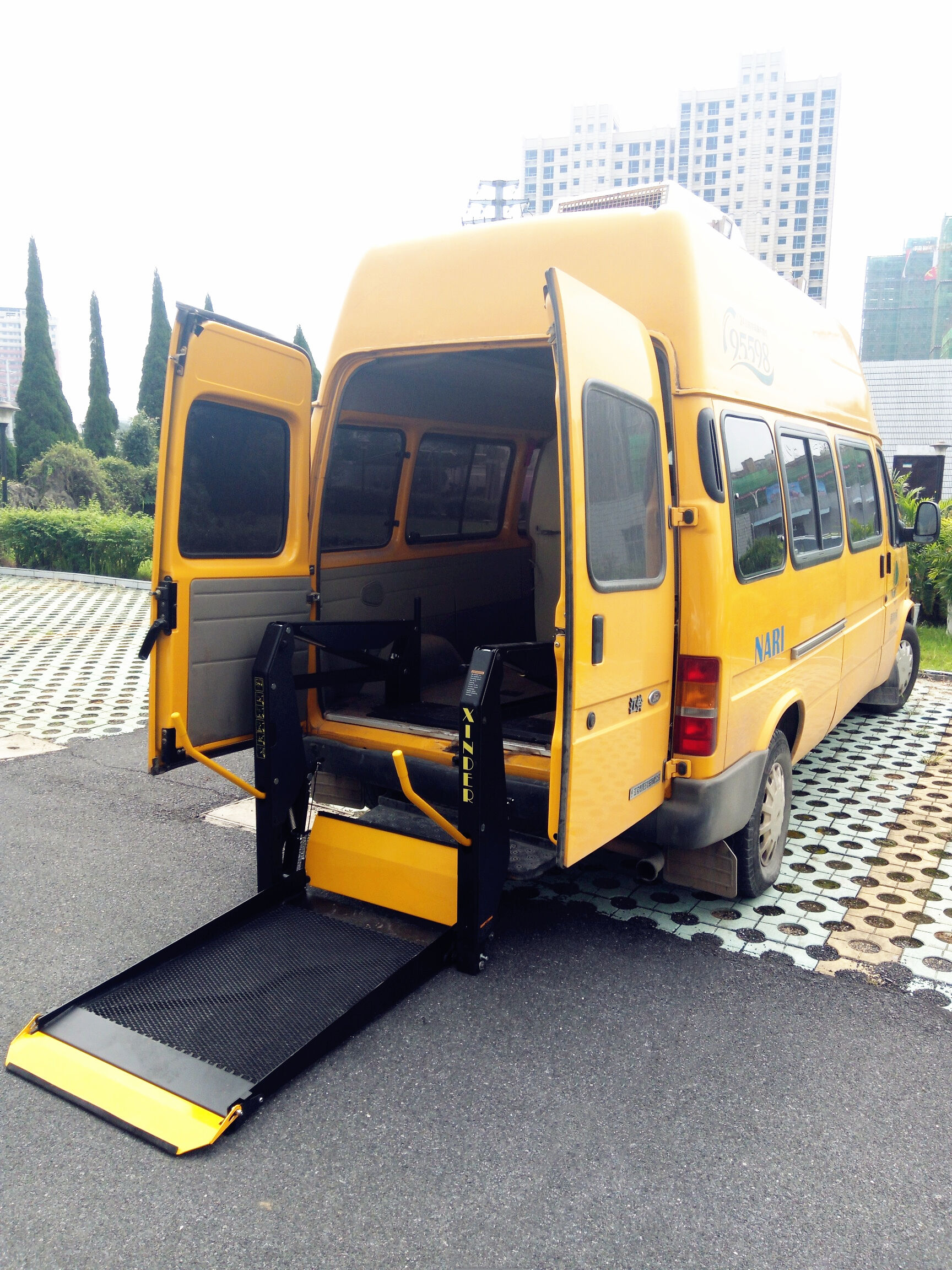
Weight Capacity and Mobility Device Sizing for Reliable Wheelchair Lift Performance
Matching Wheelchair Lift Load Ratings (150–350 lbs) to Combined User + Device Weight
Getting safety right really depends on knowing exactly what the lift can handle. The lift needs to be able to carry more than just the person plus their wheelchair. Don't forget those extra bits either, like cushion seats, oxygen bottles, or spare batteries that might be attached. Let's look at numbers for clarity. If someone weighs around 160 pounds and sits in a manual chair that itself is 45 pounds, that adds up to about 205 pounds total. Most experts suggest going for a lift rated at least 250 pounds in this case because there should always be some room for error, roughly 20% extra capacity as a safety margin. Weights can differ quite a bit between different types of equipment. Transport chairs are usually lighter, averaging about 18 pounds. Folding models tend to fall between 25 and 35 pounds. Power chairs are another story entirely though, often clocking in over 100 pounds. Never go by guesswork here folks. Actually step on the scale with everything included and double check that number against what the lift manufacturer says it can safely handle. This small step could prevent serious problems down the road.
Hitch Class Requirements and Installation Constraints for Subcompact Vehicles
Class I vs. Class II Hitches: Load Limits, Frame Integration, and Real-World Feasibility in Compact Platforms
Choosing the right hitch class matters a lot when it comes to safely integrating lifts into small cars while keeping warranties intact. Class I hitches handle up to 2,000 pounds total trailer weight and around 200 pounds tongue weight. These are designed so they don't stick out too much from the car's frame, which makes them work best for most tiny vehicles on the road today. They fit nicely at the spots where the car manufacturer reinforced the body, helping maintain how strong the car remains overall. Class II hitches can carry heavier stuff (about 3,500 pounds total weight, 350 pounds tongue weight), but usually need big changes to the car's frame, extra metal supports, or special mounts that many small car makers won't back up. And guess what? Those modifications often cancel out any remaining warranty coverage. Before making any decisions, check what the car maker says about towing capabilities. Statistically speaking, less than 12% of these little cars even qualify for Class II hitches without getting someone else to verify the structural changes first. So smart shoppers should look for Class I compatibility right from the start if they want their project to stay both safe and actually possible to complete.