EN
EN

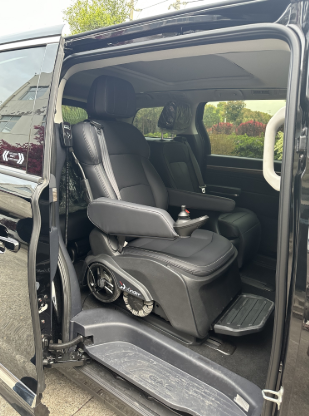
Swivel Seat Benefits: Independence, Safety, and Reduced Physical Strain
Independence and Safety in Vehicle Transfers
Swivel seats make getting into vehicles much safer because they let the seat rotate almost 90 degrees towards the door side. This eliminates those risky twisting movements where someone has to lift their whole body weight while turning, which is actually one of the main reasons people fall when transferring from wheelchairs to cars. When the seat turns so it lines up right with where they need to get in, folks stay in contact with something supportive throughout the whole process, meaning they don't need help from others as much. Plus, the controlled way these seats rotate helps keep people stable even when moving across bumpy ground like gravel driveways. Balance becomes harder there, and studies looking at how bodies move show that this kind of instability really does raise the chances of falling.
Biomechanical Advantage: Minimizing Joint Load and Fall Risk During Entry/Exit
Swivel seats help take pressure off the hips because they let people exit with their feet first while keeping knees positioned beneath the hips naturally. When someone does a regular transfer, they often end up twisting their torso at angles over 120 degrees, which puts similar stress on the lower back discs as if someone were lifting something heavy unevenly, like picking up a 20kg bag of sand with just one arm. Swivel seats work differently though. They keep the spine in a more natural position when turning around, and this actually cuts down the compression on the vertebrae by about 30% according to those lab tests we run in ergonomics research. For folks dealing with arthritis, this matters a lot. Studies tracking patients over time have found that every extra kilogram of pressure reduction in joints lowers the chances of osteoarthritis getting worse by roughly 4%. Plus, these seats eliminate the need for vertical lifting movements, which helps prevent falls since body movement stays horizontal instead of going up and down.
How Swivel Seats Enable Faster, Smoother Transfers
113° Powered Rotation: Engineering Precision for Real-World Mobility
Today's swivel seats come with a 113 degree powered rotation arc that's been carefully designed to help people get in and out of vehicles safely and easily. The specific angle helps align hips properly while keeping feet inside the car door area, which makes all the difference for folks who struggle with balance issues or simply don't have much upper body strength anymore. When these seats are powered, they move smoothly every time just by pressing a button, taking away the hard work needed with older manual models. Tests done by movement experts show that this particular range actually works best for maintaining good posture during transfers and stays stable enough to prevent accidents or injuries during the process.
Evidence-Based Impact: 72% Reduction in Transfer Time (NHTSA Pilot, 2023)
According to a pilot study conducted by NHTSA in 2023, people who used power assisted swivel systems experienced about 72% shorter transfer times compared to those relying on traditional methods. When transfers take less time, folks generally feel less tired physically and face fewer risks of falling, especially when dealing with tricky terrain like uneven surfaces. Many users also mention feeling more confident about getting around town on their own after switching to these systems. The research really highlights just how much difference improving one small aspect of mobility equipment can make for someone's independence overall. Those interested in learning more about how this study was carried out might want to check out the full report from NHTSA's mobility equipment assessments.
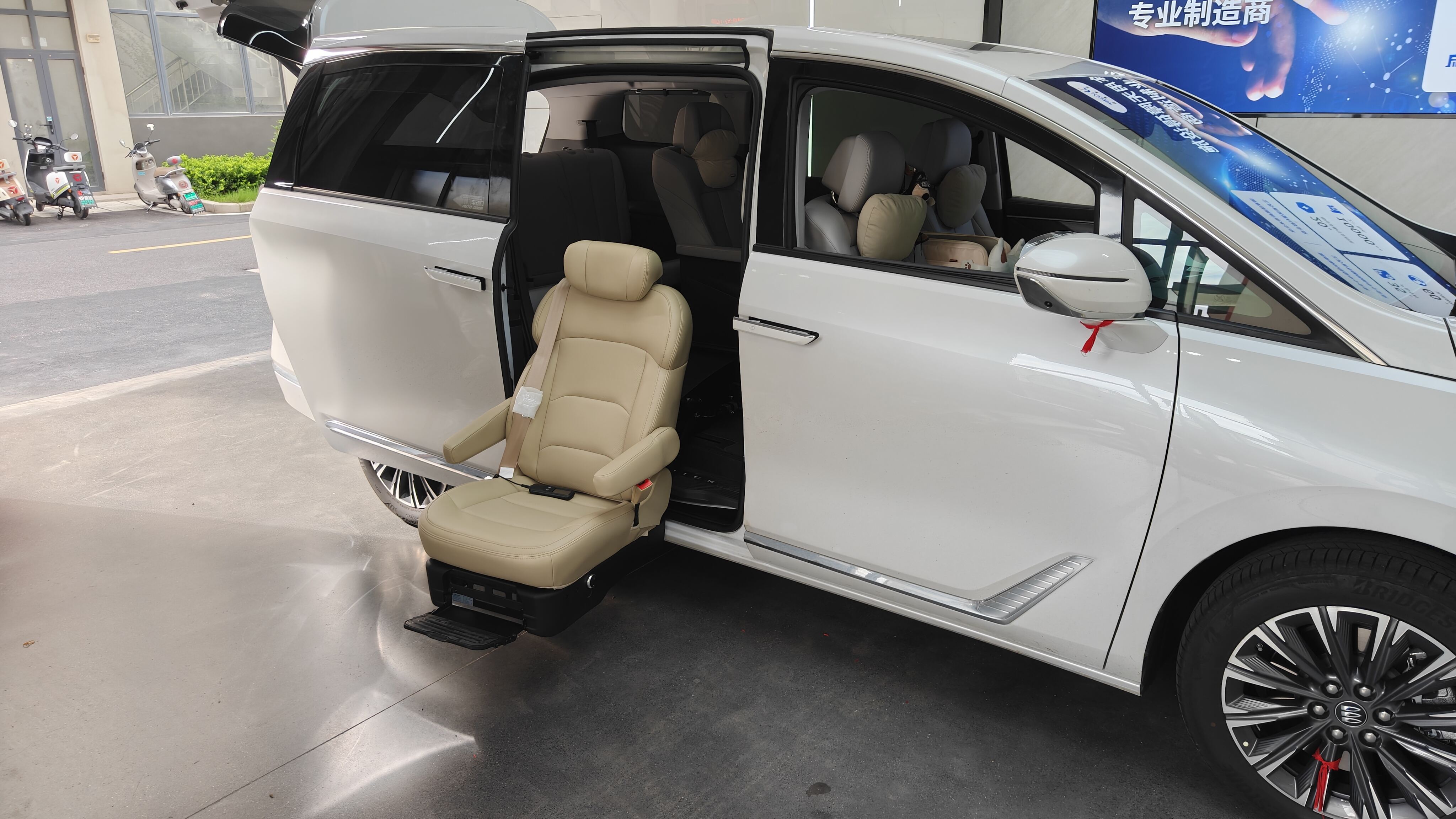
Swivel Seat Integration Within Comprehensive Accessibility Systems
Seamless Compatibility with Wheelchair Transfer Protocols and Adaptive Driving Equipment
Swivel seats that integrate well are really important for making vehicles accessible. The way they pivot matches most wheelchair transfer heights pretty closely, which helps people move sideways without putting too much stress on their arms and shoulders. These seats work with various adaptive driving equipment like hand controls or special steering devices because they follow common mounting standards. Before this integration existed, many drivers had to pick either good transfer support or full control over their vehicle. Now everything works together better, creating an accessibility system where all parts complement each other rather than conflicting.
Synergy with Other Accessible Vehicle Modifications
When deployed within holistic accessibility retrofits, swivel seats amplify the functionality of complementary modifications:
- Flooring Systems: Low-profile tracks accommodate seat rotation without compromising structural reinforcement for wheelchair securement points
- Ramp Geometry: 90°–110° seat rotation angles create optimal clearance for ramp deployment sequences
- Door Actuation: Synchronized operation with automatic door openers prevents collision risks during rotation cycles
This integrated approach reduces installation complexity by 40% compared to piecemeal retrofits and ensures all components meet Federal Motor Vehicle Safety Standards (FMVSS) crash-test requirements—delivering a harmonized mobility environment where each modification enhances, rather than impedes, the others’ functionality.
The Market Gap: Why Swivel Seats Remain Underutilized Despite Proven Value
Swivel seats offer real benefits but still aren't being used much despite evidence showing they cut transfer times by around 72% according to NHTSA data from 2023, plus they help reduce joint pain during movement. There's definitely a knowledge problem here too. About 70% of people who could benefit live in areas where doctors and therapists don't talk about these options much, and outreach efforts are all over the place. Money is another big hurdle for lots of folks since good quality systems typically run over three thousand dollars, which most insurance plans won't cover. Getting them installed properly can be tricky business too because mechanics have to check if everything works safely with current wheelchair restraints and car modifications. Many consumers just give up when faced with what seems complicated, similar to how people resisted seat belts back in the day. The gap between what works well in studies versus actual usage shows we need better ways to get insurance companies on board and more straightforward information campaigns that actually reach people who need this technology most.