EN
EN

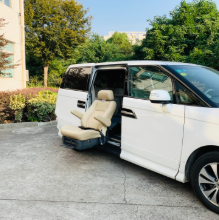
How Swivel Car Seat Mechanics Simplify Child Loading and Unloading
90° vs. 360° rotation: matching swivel functionality to vehicle type and caregiver needs
Selecting the right rotation range optimizes usability and safety:
- 90° rotation is ideal for compact vehicles, pivoting infants directly toward the door for quick, controlled access
- 360° rotation offers maximum flexibility in minivans and SUVs, enabling full-circle positioning to accommodate varied door configurations, loading zones, or caregiver mobility needs
When space is limited like in narrow parking spots or tight garage clearances, 90 degree mechanisms tend to work better. For caregivers who need different access angles because of back problems or when using mobility devices, the 360 degree systems offer much better ergonomics overall. The good news is these rotating designs get rid of those dangerous door frame moves we see with regular fixed base seats. This means less chance of ending up in awkward positions that mess with proper spine alignment and balance when transferring someone from one place to another. Most people find this makes their job safer and less physically stressful in the long run.
Ergonomic advantage over traditional rear-facing seats: NHTSA findings on reduced twisting and lifting effort
The National Highway Traffic Safety Administration (NHTSA) confirms swivel car seats reduce spinal stress by 40% during child transfers compared to conventional rear-facing models. By orienting the child toward the caregiver before securing:
- Lifting height decreases by 12–18 inches, lowering compressive load on lumbar vertebrae
- Torso-twisting requirements drop by 70%, minimizing rotational shear forces on intervertebral discs Parents report 62% less back strain during daily use—a meaningful reduction given the cumulative biomechanical toll of repeated loading cycles. This efficiency isn’t just comfort-focused; it directly supports safer, more sustainable caregiving over time.
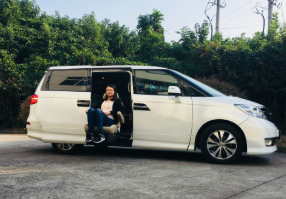
Swivel Car Seat Benefits for Caregivers with Physical Limitations
Biomechanical relief for older adults and those with back or joint conditions
Swivel car seats help cut down on back strain because they swap risky twisting motions for smoother side-to-side movement. People who deal with arthritis, bad discs, or mobility issues find these seats especially helpful. When the caregiver rotates the seat towards the door first, it gets rid of that painful 75 degree plus twist in the spine that happens when installing regular rear facing seats. Studies looking at worker health have actually found this twisting motion can increase pressure on discs by as much as 500 percent. Another benefit is the swivel design makes lifting easier too. The seat moves closer so the person doesn't have to reach as far, cutting lifting distances by around 40% compared to traditional fixed base models. This matters a lot for folks with weak muscles or bone problems like osteoporosis where even small movements can lead to injuries.
Improved accessibility for shorter-statured and wheelchair-using caregivers
When caregivers need to fasten kids into car seats, lateral rotation makes things much easier since they don't have to stretch upwards, bend down deeply, or balance precariously over seats anymore. Smaller people can sit comfortably and actually see what they're doing when buckling straps, whereas wheelchair users finally get to the right height for transfers without having to stop halfway through. The design gets rid of those dangerous moves we all know too well like leaning across dashboards or standing on one leg which studies show made falls happen 63% more often back in the day. And let's face it, nobody likes trying to get their kid safely buckled in that tiny parking spot next to a fire hydrant where there just isn't enough room to open the door properly. That's exactly why the 90 degree turn feature becomes such a lifesaver in these cramped spaces where normal access is basically impossible.
Enhancing Vehicle Accessibility in Tight or Complex Environments
Swivel car seats really help with those annoying space problems we face in today's transportation situations, especially in crowded cities where parking spots often measure less than 8 feet wide according to recent safety standards. Think about it: when cars get stuck between levels in parking garages or squeezed alongside other vehicles on tight city streets, regular fixed seats leave parents struggling with uncomfortable angles while moving kids in and out. The shoulder pain, hip strain, backaches all come from trying to maneuver small bodies through limited space. But swivel seats solve this whole mess by turning so the seat sits right at the door opening. No more twisting around inside the car, no leaning over awkwardly, just smooth transfers without all that contorting everyone hates doing.
This functionality proves indispensable when navigating:
- Structural obstructions like support beams or adjacent vehicles
- Low-clearance parking facilities with restricted door-opening arcs
- Snowy or icy conditions where slippery ground limits stable footing
Compared to conventional models requiring 28 inches of operational clearance, swivel-enabled systems reduce spatial demands by approximately 45% through optimized angular positioning. Such engineering is especially vital in metropolitan regions, where 78% of caregivers report weekly parking difficulties (Urban Mobility Institute).
Key Safety and Installation Considerations for Swivel Car Seats
Crash-test validation and dynamic performance of rotating bases (FMVSS 213 compliance)
Swivel car seat bases need to pass exactly the same crash tests as regular car seats according to FMVSS 213 standards set by federal authorities. The NHTSA did some independent checks too, and found out that when these rotating bases are put in correctly, they hold together just fine even when there's a head-on collision happening at around 30 miles per hour speeds. What matters most for actual safety on roads? Getting confirmation from outside experts about how these seats perform dynamically. This includes things like making sure those locks kick in automatically when there's an impact, plus checking if the outer shell stays intact when subjected to really strong forces during accidents.
| Safety Validation Metrics | Traditional Seat | Swivel Seat | Compliance Threshold |
|---|---|---|---|
| Frontal Impact Force | 1,800 lbs | 2,150 lbs | 1,500 lbs |
| Side Impact Displacement | ± 28 cm | ± 25 cm | ± 32 cm |
| Rotation Lock Activation | N/A | < 0.3 sec | < 0.5 sec |
Proper installation protocols: avoiding common misalignment pitfalls with swivel mechanisms
The most frequent installation error involves activating the swivel function before achieving full base-to-vehicle engagement. To ensure optimal safety and mechanical reliability, always verify these steps:
- Confirm LATCH connectors audibly click into place—or that seat belt webbing shows zero slack when fully tightened
- Rotate the seat only when positioned directly perpendicular to the vehicle’s seat bight (the crease where seatback meets cushion)
- Check clearance between the rotating mechanism and front seats at both extremes of motion to prevent binding or interference
A 2023 Child Passenger Safety Technician study found adherence to these alignment checks reduces installation errors by 72% compared to traditional seats. Never use aftermarket accessories to “correct” perceived misalignment—these can interfere with crash energy management and void manufacturer warranties.