EN

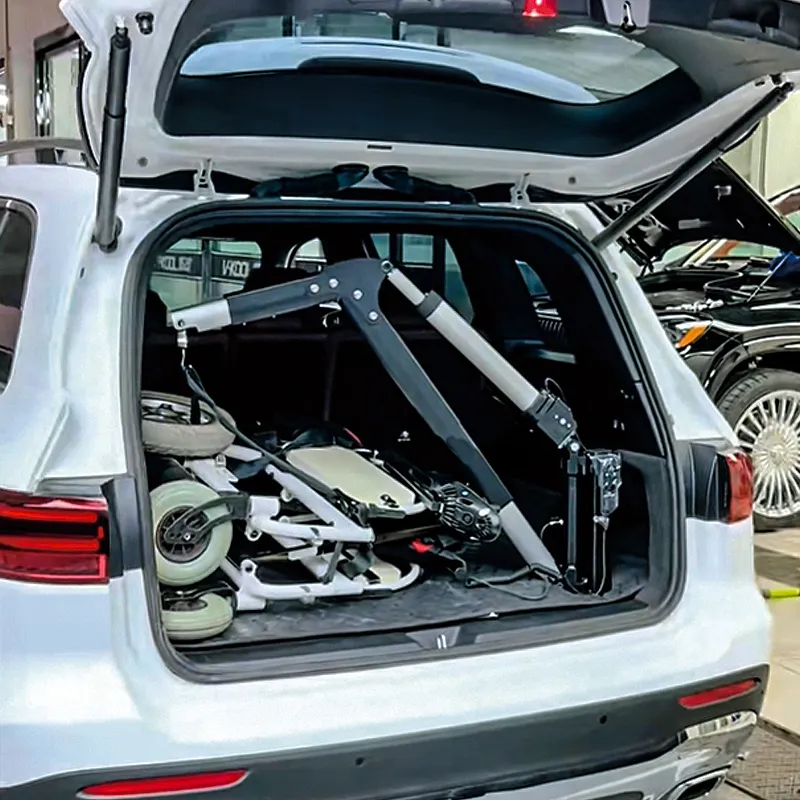
Acquiring a purpose-built wheelchair van addresses fundamental accessibility hurdles, converting complex transportation challenges into reliable personal mobility. Standard passenger vehicles lack lower entry points, reinforced floor channels, and integrated securement tracks. These deficiencies force wheelchair users to undergo unsafe manual transfers or depend entirely on public paratransit services.
By integrating lowered-floor conversions, automated entry ramps, power lifts, and dynamic securement hardware, a wheelchair van eliminates physical entry barriers, preserves personal independence, expands economic opportunities, and improves long-term quality of life.
Overcoming Physical Entry Barriers Through Integrated Conversions
The primary functional benefit of a wheelchair van lies in its mechanical integration with adaptive access hardware. Standard vehicles present high step-in thresholds and tight door apertures that make manual loading hazardous. According to data from the U.S. Access Board, over 70% of reported mobility-related injuries among wheelchair users occur during improper manual transfer and loading sequences.
Conversion Layout Configurations
-
Side-Entry Conversion (Requires 8-Foot Side Clearance): Features a dropped floor extending from the front firewall to the rear axle (typically lowered by 11 to 14.5 inches). This design provides sufficient headroom for the user to drive directly from their wheelchair or sit in the front passenger position. Side ramps deploy via powered fold-out or in-floor mechanisms in under 15 seconds.
-
Rear-Entry Conversion (Requires Standard Parking Space): Utilizes a lowered center channel running from the rear bumper forward. This layout allows the wheelchair user to enter from behind the vehicle without requiring dedicated accessible parking spaces. It offers structural stability, preserves side ground clearance, and represents a cost-effective option for family transportation.
By utilizing lowered floors and wide ramp angles, a certified wheelchair van reduces physical strain on caregivers and users, maintaining a predictable loading procedure in all weather conditions.
Eliminating Dependence on Paratransit and Ride Services
Relying on scheduled public paratransit, specialized medical vans, or rideshare services introduces major operational delays for individuals with mobility impairments. A Government Accountability Office (GAO) audit revealed that paratransit riders experience an average pickup wait time of 41 minutes, with 25% of scheduled trips arriving late or being canceled entirely.
| Mobility Parameter | Public Paratransit / Rideshare | Dedicated Wheelchair Van Ownership |
| Scheduling Flexibility | Requires 24-48 hour advance reservation | Instant spontaneous departures |
| Transit Time Predictability | High variability due to shared routes | Direct point-to-point travel time |
| Route Autonomy | Fixed routes without unplanned stops | Unlimited intermediate stops and route choices |
| Occupant Safety Protocols | Variable driver experience with tiedowns | Verified WC19 securement and AWTORS docking |
Owning a dedicated wheelchair van restores personal agency. The user controls departure times, chooses routes freely, and handles spontaneous errands without scheduling coordination or travel delays.
Expanding Employment, Education, and Civic Participation
Transportation limitations remain a major factor influencing lower employment rates among disabled adults. Data from the U.S. Bureau of Labor Statistics indicates that only 22.5% of individuals with a disability participate in the labor force, compared to 65.8% of ambulatory adults.
-
Door-Through-Door Reliability: A private wheelchair van provides direct transit from home to workplaces, eliminating missed buses, outdoor exposure, and inaccessible transit stops.
-
Shift and Regional Flexibility: Full access to a personal vehicle allows individuals to accept job opportunities outside urban transit corridors, non-standard shift work, or remote field assignments.
-
Educational Advancement: Accessible personal vehicles allow students to attend evening college courses, vocational training, and professional development seminars that fall outside standard public transit schedules.
Research from the Rehabilitation Research and Training Center on Disability Demographics demonstrates that owning an accessible personal vehicle more than doubles the probability of securing full-time employment for individuals with mobility impairments.
Quality of Life, Mental Well-Being, and Aging in Place
Beyond physical access, owning a wheelchair van produces positive psychological and social benefits. Removing daily transfer hurdles lowers physical exhaustion and anxiety related to public outings.
-
Dignity and Self-Determination: Remote-controlled power ramps and automatic kneeling suspension allow wheelchair users to enter the vehicle independently, reinforcing self-reliance and privacy.
-
Social and Family Inclusion: A converted vehicle allows disabled adults to join family road trips, attend community events, and participate in social gatherings without requiring specialized transport.
-
Supporting Aging in Place: For older adults with progressive mobility loss, an accessible vehicle provides access to regular healthcare, grocery shopping, and therapy appointments, delaying transitions to assisted living facilities.
Key Hardware Verification for Vehicle Buyers
To ensure safety and reliability, buyers evaluating a wheelchair van should verify compliance across key structural components:
-
NMEDA Quality Assurance Program (QAP): Confirm that conversion modifications meet strict crash-test criteria audited by the National Mobility Equipment Dealers Association.
-
FMVSS Compliance: Verify that lowered floor modifications, fuel tank relocations, and seat anchorage points meet Federal Motor Vehicle Safety Standards.
-
Automated Securement Hardware: Integrate RESNA WC19-compliant four-point tiedowns or automated docking pins (AWTORS) to secure the mobility device during transit.
Investing in an engineered wheelchair van eliminates daily travel obstacles, complies with dynamic crash standards, and grants disabled individuals lasting freedom of movement. Explore high-performance conversion lifts, ramps, and vehicle access equipment at