EN

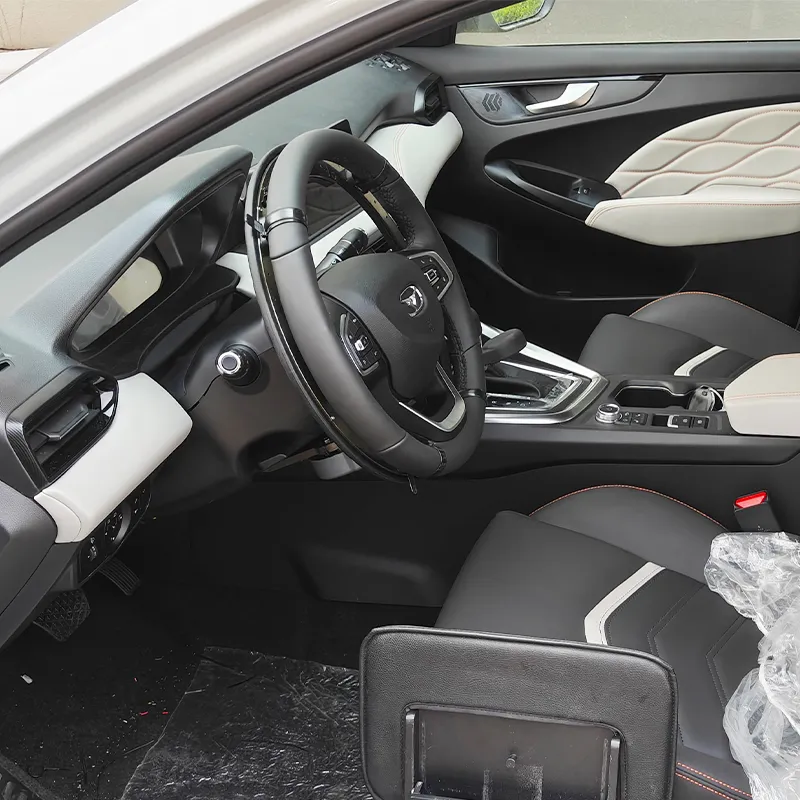
Adapting motor vehicles with innovative driving aids transforms personal transportation from a physical barrier into an accessible, empowering experience. For individuals with reduced mobility, standard foot pedals and steering wheels require upper and lower body strength that may not align with their capabilities. Modern driving aids—ranging from electronically assisted hand controls and custom pedal extensions to automated transfer solutions—bridge this gap by converting complex physical movements into intuitive, low-effort driver inputs.
By directly integrating with vehicle electronics and CAN bus protocols, advanced driving aids restore true driving independence while delivering validated safety benefits, reducing physical strain, and providing full situational control behind the wheel.
The Technological Shift: From Mechanical Levers to Smart Digital Controls
The evolution of adaptive equipment reflects a major shift in automotive engineering. Early mechanical linkages required high operating force, introducing early joint fatigue and limiting access for drivers with reduced upper-body strength.
Mechanical Cable Systems (High Effort, Wear Prone)
→ Servo-Assisted Controls (Hydraulic/Pneumatic)
→ Digital CAN Bus Integration (Drive-By-Wire, Configurable Sensitivity)
Modern driving aids rely on digital drive-by-wire interfaces that send precise electronic signals directly to the vehicle's Engine Control Unit (ECU) and electronic braking modules.
-
35% Crash Risk Reduction: Research from the University of Michigan Transportation Research Institute confirms that drivers using electronic driving aids experience 35% fewer emergency-braking incidents compared to traditional mechanical cable setups.
-
Customizable Ergonomics: Digital hand controls allow Certified Driver Rehabilitation Specialists (CDRS) to adjust throttle response curves and brake resistance via software, ensuring the control profile matches the user's operational range.
-
Preserved Safety Systems: Advanced driving aids integrate seamlessly with OEM Advanced Driver Assistance Systems (ADAS), preserving core vehicle safety functions like Lane Keeping Assist and Automatic Emergency Braking.
Primary Categories of Adaptive Driving Aids
Achieving complete driver mobility requires matching specific physical capabilities with targeted driving aids. Adaptive equipment is categorized into four primary hardware classifications designed to address distinct mobility challenges.
| Hardware Category | Primary Mechanism | Target Mobility Profile | Key Safety & Ergonomic Benefit |
| Mechanical & Electronic Hand Controls | Push-pull or push-rock levers with electronic throttle integration | Spinal cord injury, lower limb paralysis, severe joint impairment | Transfers brake and accelerator operation from feet to hands; eliminates pedal overlap |
| Steering Assistance Aids | Spinner knobs, tri-pin grips, palm cups, and low-effort power steering units | Reduced hand grip strength, hemiplegia, upper-body muscle weakness | Enables full 360-degree one-handed steering control without losing rotational torque |
| Pedal Adapters & Extensions | Left-foot accelerator flip-boards, raised pedal platforms, quick-release block extensions | Short stature, right-side limb loss, localized lower-body neuropathy | Prevents accidental pedal depression; restores proper seating posture and sightlines |
| Transfer & Entry Solutions | Swivel seat bases, 6-way power seat mounts, automated wheelchair loading systems | Full-time wheelchair users, severe mobility restrictions | Reduces transfer-related shoulder strain and facilitates smooth vehicle access |
By deploying targeted driving aids, mobility specialists eliminate physical bottlenecks, allowing drivers to operate vehicles with consistent precision.
Ergonomic Benefits: Eliminating Fatigue and Improving Response Times
Operating standard factory controls with a physical impairment leads to rapid fatigue, increasing reaction latency during extended journeys. Properly specified driving aids optimize physical lever mechanics and electronic input sensitivity to protect driver energy and focus.
-
20% Faster Emergency Reaction Times: By locating brake and accelerator controls directly adjacent to the steering wheel, mechanical and electronic driving aids eliminate the time needed to move a foot between pedals. This streamlined movement reduces emergency braking response times by up to 20%.
-
40% Reduction in Fatigue and Strain: Ergonomic steering grips and low-effort driving aids minimize joint load, cutting repetitive strain injuries by up to 40% according to RESNA evaluation studies.
-
Sustained Lane-Keeping Precision: Lower physical demand allows drivers to maintain steady steering input and throttle control throughout multi-hour highway trips without experiencing muscle spasticity or exhaustion.
Regulatory Standards and Compliance Mandates
Installing aftermarket driving aids requires strict adherence to international safety standards to ensure the vehicle structural chassis and active safety networks remain uncompromised.
-
NHTSA & FMVSS Compliance: In the United States, modifications incorporating driving aids must comply with Federal Motor Vehicle Safety Standards (FMVSS), including FMVSS 208 for occupant crash protection and FMVSS 124 for accelerator control systems.
-
RESNA Quality Benchmarks: The Rehabilitation Engineering and Assistive Technology Society of North America (RESNA) sets dynamic testing guidelines for adaptive equipment, verifying that hand controls and mounting brackets withstand severe vibration and shock loads.
-
CDRS Fitting Protocols: Professional installation of high-tech driving aids should involve evaluation and fitting by a Certified Driver Rehabilitation Specialist, ensuring the setup matches the driver's cognitive and physical profile.
According to NHTSA field studies, combining certified driving aids with structured driver training reduces at-fault traffic collisions among impaired drivers by up to 40%.
Fleet Manager and Driver Checklist for Selecting Driving Aids
To ensure safety, compliance, and long-term reliability when selecting driving aids, fleet specifiers and individual buyers should follow this operational protocol:
-
Complete a Professional CDRS Clinical Evaluation: Obtain a comprehensive physical and cognitive assessment to identify the exact control resistance and lever geometry required.
-
Verify OEM CAN Bus Compatibility: Ensure electronic driving aids interface correctly with the vehicle's onboard computer without triggering diagnostic fault codes or disabling factory airbags.
-
Check Quick-Release Mechanisms: Confirm that pedal extensions or left-foot accelerators feature tool-less quick-release mounts, allowing non-disabled family members or fleet drivers to operate the vehicle safely.
-
Schedule Periodic Hardware Maintenance: Inspect mechanical linkage bushings, cable tensions, and electronic harness connectors every 6 to 12 months to maintain peak operational reliability.
Integrating engineered driving aids eliminates physical barriers, enhances road safety, and offers disabled drivers full independence on the open road. Discover professional-grade vehicle access hardware, power transfer systems, and adaptive mobility components directly at