EN
EN

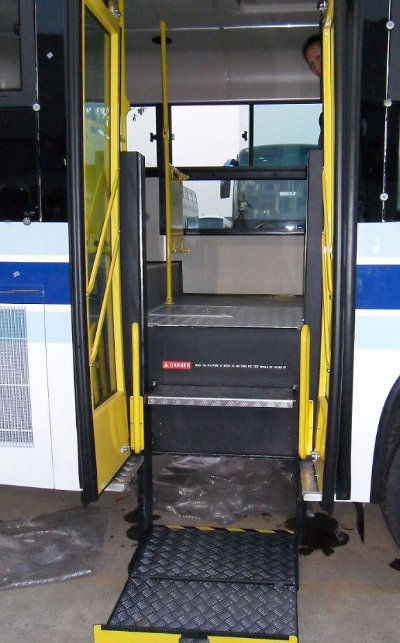
Wheelchair Lift Core Functionality: Safe, Reliable Access to Vehicles
Mechanical and Automated Activation Processes
There are basically two ways wheelchair lifts help people get safely into vehicles. The manual ones work with hand cranks and hydraulic systems, which makes them great when there's no electricity around. They're pretty straightforward and dependable, though they do require some physical effort from the operator. On the other side we have automated models that run on electric motors. Just press a button and watch as the platform comes down to ground level, the ramp unfolds, everything rises up to match the vehicle floor, then folds back up for storage. The whole process follows pretty much the same steps every time. These devices cut down on dangerous manual transfers that often lead to falls for wheelchair users. Studies actually show a reduction of about 72% in fall incidents thanks to these systems. Most modern lifts also include continuous handholds along with visual guides that help users maintain control and know where they are during each step of the process.
Real-Time Safety Protocols: Weight Sensors, Obstruction Detection, and Emergency Stop Features
Wheelchair lifts these days come equipped with multiple safety layers that work at the same time instead of one after another, which helps avoid problems from failing parts. The weight sensors usually handle loads between 600 to 800 pounds and will stop everything dead in its tracks when something goes over the limit, keeping the whole thing from breaking down. There are also those infrared scanners that spot anything getting too close to moving parts within about two inches away. They catch stuff like loose clothes, walking sticks, even footrests hanging out where they shouldn't be, and then make the lift reverse direction right away. Most models have emergency stop buttons placed both where someone sitting in the chair can reach them and where caregivers stand during transfers. Let's say something gets stuck while going up the ramp. The machine just stops cold, beeps loudly to warn everyone nearby, and brings itself back down safely. These safety measures aren't optional extras either; they're required under ANSI/RESNA WC/V-1 guidelines. And guess what? People actually get hurt less often because of all this tech, plus the machines still run smoothly enough for daily use without constant tinkering.
Matching Wheelchair Lift Types to User Needs and Vehicle Applications
Platform vs. Hoist vs. Tote Lifts: Use-Case Alignment for Independence and Space Constraints
Platform lifts remain the go to option for many because they carry wheelchairs that someone is actually sitting in across a flat, stable platform. The downside? They need quite a bit of room inside or outside the vehicle. Hoist lifts work differently by lifting empty wheelchairs straight up into storage areas above the car or below the floor. These are great choices when space is tight, which explains why people often pick them for smaller cars and minivans. Then there are tote lifts, these are basically small, portable devices that require manual operation. Good news is they cost less and don't need much setup, bad news is they can't move automatically or carry someone while transporting. When picking between options, think about how often the lift will be used, what kind of vehicle fits best, and if being able to operate it without help matters day to day for whoever needs it.
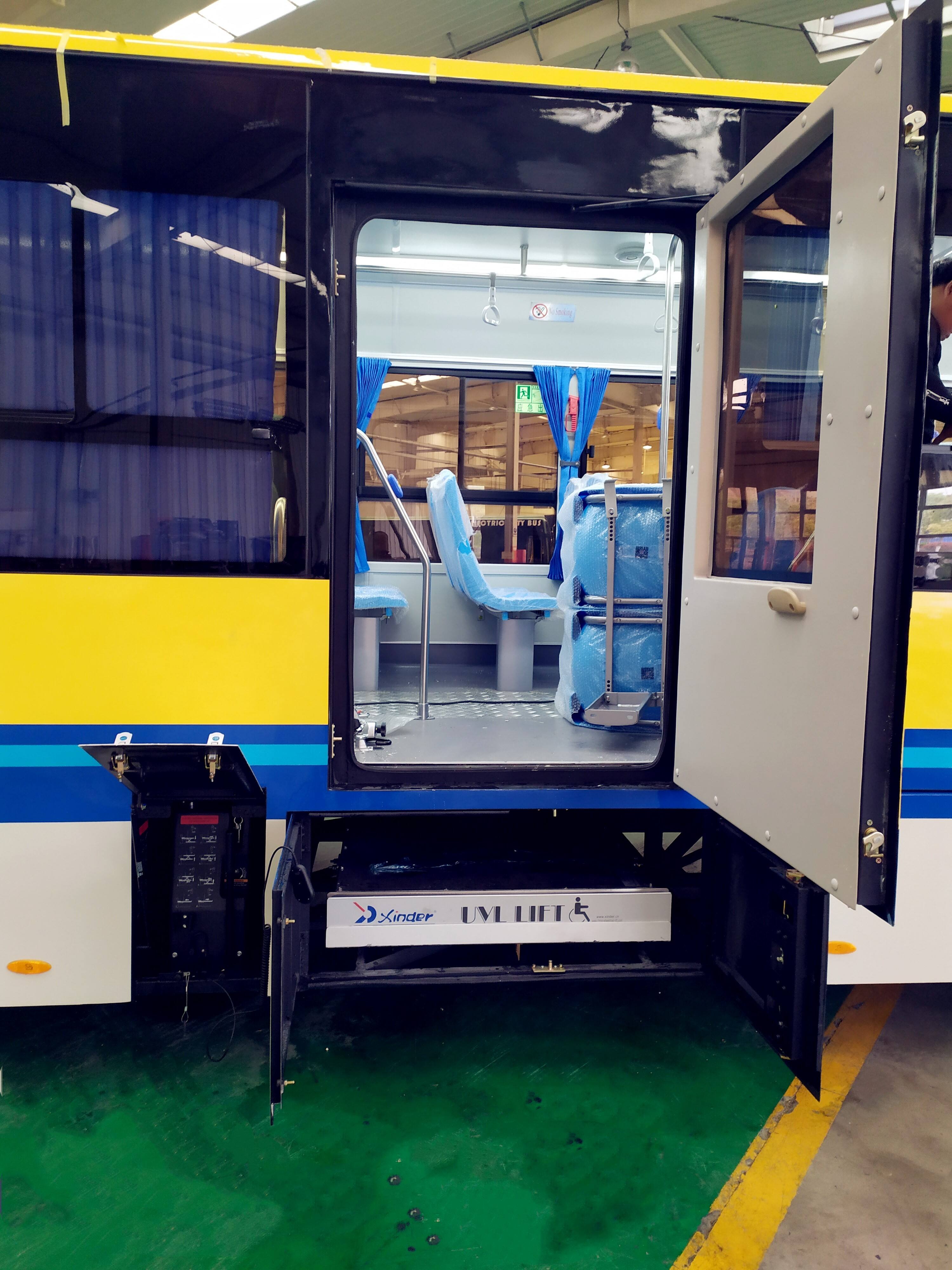
Interior, Exterior, and Hybrid Lifts: Evaluating Weather Resilience, Installation Feasibility, and Daily Usability
Lifts mounted outside vehicles stand up well to bad weather and don't mess with the inside of the car, but they need strong mounting spots and take up space outside which can be a pain for parking or fitting into garages. On the flip side, interior lifts keep everything protected from the elements and make getting in/out easier, although installing them usually means making lasting changes to the vehicle such as cutting into floors or creating openings. There's also this hybrid option where people board from inside but the lift folds out outside when not in use. This gives some weather protection without taking up interior room once it's stored away. Picking the right type really comes down to where someone lives (rainy areas vs dry climates), what kind of vehicle they drive (think about differences between minivans and SUVs), and just how much they actually need the lift day after day. Balancing these factors helps ensure both practicality now and continued access later on.
Tangible Benefits of a Wheelchair Lift: Reducing Physical Strain and Expanding Life Participation
Decreased Caregiver Burden and Injury Risk
Using wheelchair lifts takes a huge load off caregivers who otherwise have to lift people manually, which is one of the main reasons why so many suffer from back and shoulder problems. A recent study from NIOSH in their 2023 report actually found that places where they installed proper mechanical transfer equipment reported around 31 percent fewer injuries related to work tasks involving lifting. These devices come equipped with built-in weight sensors that automatically adjust, plus they detect obstacles before anything gets damaged or someone gets hurt. That means safer operations all around for both the person being moved and whoever's helping them.
Enhanced Autonomy in Healthcare Access, Employment, and Community Engagement
Wheelchair lifts that work reliably open up so many areas of daily living. People can go to doctor appointments without relying on others, keep their jobs because they have dependable transport, and get involved in all sorts of activities at school, work, and in their communities. Simple things like running errands or visiting relatives become possible without needing help from someone else. The freedom these lifts provide really matters for maintaining self respect and staying mentally healthy over time. Research shows again and again that when folks with mobility challenges can move around independently, their overall happiness and satisfaction with life tends to improve significantly.
Key benefits include:
- Reduced dependence on caregiver scheduling and availability
- Lower cumulative healthcare costs tied to transfer-related injuries
- Increased attendance at community events, faith-based gatherings, and civic activities
- Measurable improvements in self-reported life satisfaction and psychological resilience
Ensuring Long-Term Wheelchair Lift Performance: Compatibility, Compliance, and Professional Installation
Getting good results and staying safe really comes down to three main things working together: making sure the device fits the vehicle properly, following all the regulations, and having it installed by someone who knows what they're doing. Start by checking if the lift can handle the right weight, has enough space for the wheelchair, and deploys correctly within the car's structure. Look at things like how strong the floor is, whether there's enough power for the system, and if the frame needs extra support. Next up are those rules everyone has to follow. Federal standards like FMVSS 220 about rollover protection matter a lot, as do guidelines from RESNA regarding wheelchair securement and lift performance. Don't forget local fire department requirements either. Then comes the actual installation work. A qualified technician should test everything under load conditions, check how well the electronics connect, calibrate sensors properly, and teach users how to operate the system safely. According to RESNA research, this kind of thorough approach cuts down problems after installation by around two thirds. Cutting corners on any part of this process leads to faster breakdowns, fines for not meeting regulations, dangerous situations when using the equipment, and expensive fixes later on that ultimately cost more money and limit what people can actually do independently over time.
Table of Contents
- Wheelchair Lift Core Functionality: Safe, Reliable Access to Vehicles
- Matching Wheelchair Lift Types to User Needs and Vehicle Applications
- Tangible Benefits of a Wheelchair Lift: Reducing Physical Strain and Expanding Life Participation
- Ensuring Long-Term Wheelchair Lift Performance: Compatibility, Compliance, and Professional Installation