EN
EN

Assessing Mobility Requirements to Guide Wheelchair Accessible Vehicle Customization
Before selecting specific modifications, a detailed evaluation of the user’s daily mobility needs is essential to ensure the wheelchair accessible vehicle truly supports functional independence.
Evaluating Physical, Cognitive, and Sensory Needs for Functional Independence
A comprehensive assessment of physical, cognitive, and sensory abilities forms the foundation of any successful customization. Physically, the wheelchair’s dimensions—whether manual or power—dictate required entry width, interior turning radius, and whether a lowered floor is necessary. The user’s ability to transfer independently—or operate a ramp or lift without assistance—directly influences the choice between side-entry and rear-entry systems. Cognitive factors such as memory, sequencing, and problem-solving determine whether the individual can safely manage multi-step tasks like deploying a ramp or securing a four-point tie-down; for those with cognitive challenges, simplified or automated mechanisms may be prioritized. Sensory impairments—including low vision or hearing loss—call for design considerations like high-contrast grab handles, audible ramp alerts, and tactile controls. A 2023 study by the University of Michigan Transportation Research Institute found that when these individual needs are not thoroughly evaluated, up to 30% of vehicle modifications are underutilized or abandoned. Additional practical factors—such as driving versus passenger status, travel frequency, typical terrain, and parking space limitations—must also be integrated to avoid costly mismatches. By aligning all these elements, the resulting wheelchair accessible vehicle becomes a reliable tool for safe, everyday mobility.
Selecting Entry, Floor, and Roof Modifications for Wheelchair Accessible Vehicles
The entry system, floor height, and roof configuration collectively determine how safely and independently a user can board, exit, and travel in a Wheelchair Accessible Vehicle (WAV). These structural choices must align with the user’s mobility device, transfer method, and daily environment—from tight parking garages to rough rural roads.
Side-Entry vs. Rear-Entry Systems: Safety, Space, and User Autonomy
Side-entry conversions typically position the wheelchair user in the front passenger or driver’s seat and offer direct curb-side access—a critical safety advantage on busy streets. The lowered floor in a side-entry minivan creates spacious headroom and interior volume, but ramp deployment requires approximately 7–8 feet of clearance, making it less suitable for narrow parking spaces. Rear-entry systems load from the back and place the user in the middle or rear passenger area. They excel in tight parking situations because the ramp deploys into the rear clearance, and the vehicle’s original structure remains largely unaltered—helping preserve crashworthiness. However, rear-entry configurations usually require caregiver assistance to operate the ramp and secure the chair, limiting user autonomy. The decision ultimately hinges on whether the user will drive or ride as a passenger, the frequency of independent use, and typical parking conditions. For those prioritizing self-sufficiency and front-seat travel, side-entry is the leading option; for families or caregivers valuing simplicity and compact parking, rear-entry is often the right fit.
Ramps, Lifts, and Structural Adaptations: Balancing ADA Compliance, Durability, and Daily Usability
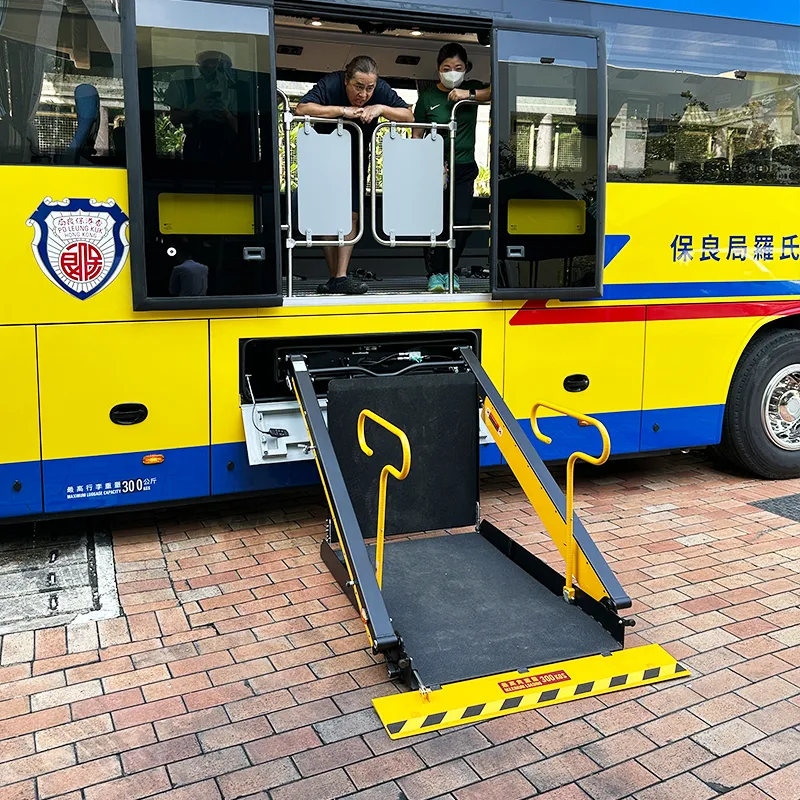
Entry mechanisms must meet Americans with Disabilities Act (ADA) slope and width recommendations while enduring repeated cycles. In-floor ramps—deployed from a cassette beneath the floor—offer a gentle incline and smooth operation but can be vulnerable to debris or ice accumulation. Fold-out ramps are simpler and more affordable but demand greater manual effort and often feature steeper angles. Powered lifts—platform or rotary—are essential for heavy power wheelchairs or users unable to manage ramp inclines; they provide vertical transfer but add weight and reduce ground clearance. Structural modifications like floor lowering increase interior height—typically adding 10–12 inches of headroom—which is crucial for taller users to sit upright and maintain forward visibility. All adaptations must preserve structural integrity, as floor pan alterations can affect crash performance. Daily usability is equally vital: a ramp that is noisy, slow, or unreliable discourages consistent use. The best conversions balance quiet, responsive operation with robust materials engineered to withstand weather, wear, and frequent use—ensuring long-term reliability.
Integrating Adaptive Driving Controls for Safe and Intuitive Operation
Hand Controls, Steering Aids, and Alternative Interfaces (e.g., Joystick, Sip-and-Puff)
Adaptive driving controls transform wheelchair accessible vehicles into personally operated mobility solutions. Hand controls enable acceleration and braking via push-pull or push-rock levers, eliminating foot pedal reliance. Steering aids—including spinner knobs, tri-pins, and palm grips—support one-handed operation with minimal effort. For individuals with limited upper-body strength, joystick systems replace traditional steering wheels entirely, translating subtle hand movements into precise directional control. Sip-and-puff interfaces use breath pressure to activate throttle, brake, and turn signals—enabling drivers with severe paralysis to operate the vehicle independently. Selection should be guided by a certified driver rehabilitation specialist who matches the interface to the user’s strength, range of motion, and reaction time. A 2023 survey by the National Mobility Equipment Dealers Association found that properly fitted adaptive controls reduce driver fatigue by 40% and improve emergency response consistency. While aftermarket integration is common, choosing a system that communicates seamlessly with the vehicle’s electronic stability control and adaptive cruise control enhances overall safety. Early investment in a multi-step assessment ensures intuitive operation and reduces long-term risk of musculoskeletal strain.
Optimizing Seating and Securement Systems in Wheelchair Accessible Vehicles
Integrated Wheelchair Securement (WC19) and Occupant Restraint (FMVSS 209/210) Compliance
A properly integrated securement system anchors the wheelchair to the vehicle floor using a four-point tie-down setup designed to withstand forces equivalent to a 30-mph frontal impact—securing chairs up to 600 pounds. The complete Wheelchair Tiedown and Occupant Restraint System (WTORS) must comply with ANSI/RESNA WC19 crash-test standards, ensuring the wheelchair, tiedowns, and occupant restraints function as a unified safety system. Occupant restraints—including lap and shoulder belts—must meet FMVSS 209/210 for belt strength and anchorage integrity. Industry data shows compliant systems significantly reduce injury risk during sudden stops or collisions. Locating the securement area near the entrance minimizes transfer distance, while automated retractable tie-downs can cut securement time by up to 50%, easing physical strain on caregivers.
Rotating, Transfer, and Removable Seating: Impact on Passenger Capacity and Caregiver Support
Rotating and transfer seats simplify moving a wheelchair user into a standard vehicle seat, preserving dedicated wheelchair storage space. Removable seats allow caregivers to convert a wheelchair-accessible position into a conventional passenger seat when not needed—boosting passenger capacity. This flexibility is especially valuable for families or transport services serving both wheelchair and non-wheelchair users. Rotating seats significantly reduce the risk of caregiver back injuries by minimizing awkward lifting. Two-way quick-release mechanisms on seats and securement systems enable rapid evacuation in emergencies. These features improve daily usability and support independence for users who can transfer with minimal assistance. Overall, adaptive seating configurations balance safety, comfort, and the practical need to accommodate multiple passengers efficiently.
FAQs
What are the key factors to consider when customizing a wheelchair accessible vehicle?
Key factors include assessing physical, cognitive, and sensory needs, selecting appropriate entry systems (side-entry vs. rear-entry), choosing ramps or lifts that meet ADA standards, integrating adaptive driving controls, and optimizing seating and securement systems to ensure safety and usability.
How do I decide between a side-entry and rear-entry conversion?
Side-entry conversions are ideal for users seeking independence and front-seat access, while rear-entry systems suit families or caregivers prioritizing simple operation and compact parking suitability. Consider the user's mobility device, driving or passenger status, and parking conditions before deciding.
What is the role of adaptive driving controls in wheelchair accessible vehicles?
Adaptive driving controls allow users to operate the vehicle independently by using hand controls, steering aids, and alternative interfaces like joystick or sip-and-puff systems. These controls are matched to the user's strength, range of motion, and response time.
What safety standards apply to wheelchair securement systems?
Wheelchair securement systems must comply with ANSI/RESNA WC19 crash-test standards, ensuring the wheelchair and occupant restraints function effectively as a unified system. Lap and shoulder belts also need to meet FMVSS 209/210 standards for strength and anchorage integrity.
Table of Contents
- Assessing Mobility Requirements to Guide Wheelchair Accessible Vehicle Customization
- Selecting Entry, Floor, and Roof Modifications for Wheelchair Accessible Vehicles
- Integrating Adaptive Driving Controls for Safe and Intuitive Operation
- Optimizing Seating and Securement Systems in Wheelchair Accessible Vehicles
- FAQs