EN

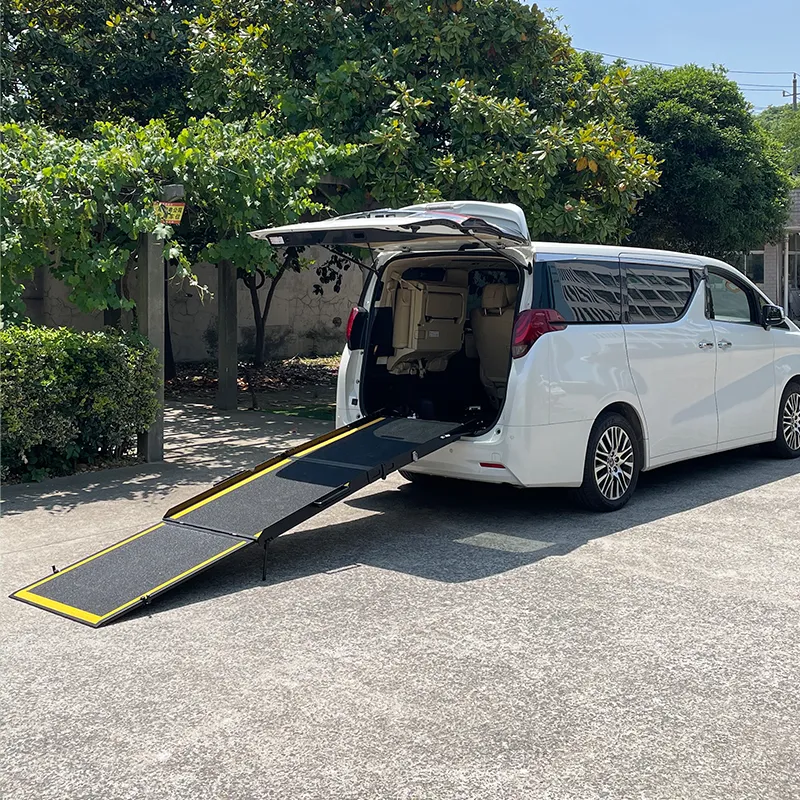
Determining the long-term dependability of a commercial or personal wheelchair accessible van requires evaluating conversion engineering standards, entry ramp cycle fatigue, and integrated restraint compatibility. A poorly modified vehicle can suffer from floor chassis rust, alignment drift, or unexpected ramp motor failure within months of deployment.
To ensure sustained vehicle uptime and passenger safety, procurement managers and private buyers must prioritize QAP-certified structural modifications, crash-validated entry hardware, and integrated securement networks inside every wheelchair accessible van.
For a full breakdown of vehicle conversion frameworks, mobility options, and fleet procurement standards, check out our comprehensive
Build Quality and Conversion Integrity
The core dependability of a wheelchair accessible van depends on its underlying structural modification. Lowering a vehicle's floor pan alters original load paths, making factory-grade materials and validated welding protocols essential.
Structural Conversion Workflow
-
Factory Passenger Chassis: Base vehicle selection with validated OEM chassis load limits.
-
Lowered Floor Channel Cutting & Structural Jigging: Precision cutting and alignment jigs to maintain geometric tolerances.
-
High-Strength OEM Steel Reinforcement & Robotic Welding: HSLA steel reinforcement panels welded to recover torsional stiffness.
-
Full E-Coat Anti-Corrosion Treatment & FMVSS Crash Validation: Complete e-coat dip followed by 30-mph dynamic barrier testing.
QAP Certification and Conversion Standards
Quality Assurance Program (QAP) certification—managed by NMEDA (National Mobility Equipment Dealers Association)—serves as a primary quality indicator for conversion manufacturing. QAP-certified conversions incorporate over 200 rigorous quality checkpoints:
-
Corrosion Protection: E-coat immersion treatment protects lowered steel floor pans against road salt and moisture ingress.
-
Structural Integrity: Using high-strength OEM-grade steel ensures that a modified wheelchair accessible van retains its original energy-absorbing crush zones.
-
Failure Reduction: Industry inspections show QAP-certified builds exhibit up to 60% fewer structural defects after five years of daily service compared to non-certified aftermarket modifications.
Factory-Certified vs. Generic Aftermarket Conversions
Third-party fleet maintenance logs highlight significant failure rate differences between factory-certified conversions and generic aftermarket builds:
| Structural Parameter | Generic Aftermarket Builds | QAP / Factory-Certified Conversions |
| Weld Defect Rate (3 Years) | ~7.0% structural weld degradation | Under 0.5% defect rate |
| Material Specification | Thin non-automotive mild steel | OEM high-strength low-alloy (HSLA) steel |
| Welding Execution | Manual stick/MIG welding (heat distortion) | Automated robotic welding and full jigging |
| Dynamic Crash Validation | Static weight calculations only | Full 48 km/h (30 mph) FMVSS barrier crash testing |
Investing in a certified wheelchair accessible van guarantees that floor anchor points, ramp mounts, and subframe welds withstand heavy commercial usage without cracking.
Ramp and Lift Performance: Ensuring Daily Dependability
The entry system functions as the primary mechanical component of a wheelchair accessible van. Whether utilizing an in-floor ramp, foldout ramp, or hydraulic cassette lift, mechanical components must withstand heavy daily duty cycles without jamming.
In-Floor Ramps vs. Foldout Ramps
Choosing the right ramp configuration for a wheelchair accessible van depends on interior layout needs, parking environments, and maintenance resources:
-
In-Floor Power Ramps: Stows completely beneath the lowered floor channel of the wheelchair accessible van, keeping the side doorway clear for ambulatory passengers. In-floor systems offer clean interior aesthetics and are rated for over 10,000 deployment cycles. However, under-floor guide channels require regular clearing of debris.
-
Foldout Power Ramps: Folds vertically against the interior door frame. Foldout ramps handle uneven curbs or snowbanks well and allow easy access to drive motors and linkages for rapid field servicing.
Proactive Ramp and Lift Maintenance Schedule
Preventative maintenance protects the electronic, mechanical, and hydraulic components of a wheelchair accessible van:
-
Monthly Operational Cycles: Fully deploy and stow the ramp or lift mechanism on level ground to verify smooth travel, limit-switch activation, and safety-interlock response.
-
Track Debris Removal: Clean grit, sand, and salt from sliding floor tracks and under-chassis guide channels to prevent optical sensor faults and drive motor strain.
-
Roll-Stop Barrier Audits: Inspect automatic roll-stop barriers on hydraulic lifts to confirm mechanical latches lock securely before the platform leaves ground level.
For deeper insights into dynamic crash physics and floor structure loading, see our guide on
Safety Systems and Adaptive Integration
Reliability requires that wheelchairs, restraints, and driving aids work together as a certified unit inside the wheelchair accessible van.
Manual Tiedowns vs. Automated Docking Systems
Securing a wheelchair inside a wheelchair accessible van can be achieved via manual 4-point strap systems or automated docking stations:
-
4-Point Strap Tiedowns: Utilize high-tensile webbing anchored to floor L-tracks. Straps must meet RESNA WC19 and ISO 10542 dynamic sled-test criteria (48 km/h / 20g impact pulse). Proper strap angles (45 degrees to 75 degrees) are essential to prevent excessive chair movement.
-
Automated Docking Stations (AWTORS): Feature a floor-mounted jaw mechanism that mechanically locks onto a steel pin attached to the wheelchair frame. Automated docking eliminates human error, provides instant audible engagement confirmation, and allows independent operation inside the wheelchair accessible van.
Driving Aids and Electrical Interoperability
Integrating adaptive driving aids—such as electronic push-pull hand controls, motorized swivel seat bases, or left-foot accelerators—requires clean interfacing with the vehicle's onboard CAN bus computer.
Uncertified electrical splicing can trigger diagnostic fault codes, interfere with factory airbag deployment zones, or cause unexpected engine shut-offs. Professional upfitters calibrate electronic hand controls to work smoothly alongside OEM electronic stability systems. Learn more about driver adaptations in our technical review on
Fleet Verification Protocols for Long-Term Dependability
Before adding a wheelchair accessible van to a commercial fleet or family garage, complete this operational inspection protocol:
-
Verify Certification Badges: Confirm the vehicle features an official NMEDA QAP manufacturing label along with FMVSS compliance tags inside the door jamb.
-
Inspect Electrical Wiring Harnesses: Ensure all aftermarket wiring for ramps, lifts, and kneeling suspensions is enclosed in protective conduit and routed clear of hot exhaust components.
-
Execute Emergency Override Tests: Verify that manual backup pumps, hand cranks, and emergency door release levers function properly during simulated power failures.
Deploying a certified wheelchair accessible van ensures long-term uptime, protects passenger safety, and lowers total cost of ownership. Explore our full range of OEM-grade wheelchair lifts, power ramps, swivel transfer seats, and restraint systems at