EN

Hand Controls: Adaptive Solutions for Lower Limb Impairments
Mechanical vs. Electronic Hand Controls: Matching Technology to Functional Needs
Hand controls are among the most critical driving aids for individuals with lower limb impairments. Mechanical systems use direct linkages—typically a lever connected to the brake and accelerator via rods or cables—delivering immediate tactile feedback and requiring moderate upper-body strength. Electronic hand controls replace physical linkages with sensors and actuators, translating light-touch input from a lever or joystick into smooth, programmable vehicle responses. This design reduces physical effort, making them ideal for users with limited muscle endurance, coordination, or progressive neuromuscular conditions. A 2022 clinical review found electronic systems can shorten reaction times by up to 15% in such cases. Yet mechanical units remain valued for their reliability, simplicity, and lower cost. The choice hinges on functional capacity: drivers with stable strength and good proprioception often thrive with push-pull mechanical setups, while those with fatigable weakness or spasticity typically benefit from electronic systems’ adjustable sensitivity and reduced force requirements. Matching technology to the individual’s biomechanical profile is essential for safety and confidence behind the wheel.
Common Configurations—Push/Rock, Push/Pull, and Push/Rotate—Explained by Real-World Use Cases
Three primary handle configurations accommodate varying hand function and driving preferences. A push/rock control activates braking when the lever is pressed forward and acceleration when rocked backward—ideal for users who exert consistent downward pressure but have limited wrist rotation. The push/pull style uses forward motion for throttle and rearward pull for braking, mirroring a natural rowing action; it’s widely prescribed for drivers with paraplegia and intact shoulder/elbow control. The push/rotate configuration adds a twist-grip throttle (like a motorcycle) while using lever push or pull for braking—suited to individuals with adequate wrist and forearm dexterity but restricted gross arm movement, such as those with high-level spinal cord injuries. A 2021 survey of adaptive driving specialists found push/pull remains the most common first-time configuration, whereas push/rotate is favored by experienced drivers seeking finer throttle modulation. Each is individually fitted and calibrated to reach, strength, and reaction time—reinforcing that no single layout fits all.
Steering and Acceleration Aids: Enhancing Control Without Foot Reliance
While hand controls transfer braking and acceleration to the upper limbs, many drivers with upper-body impairments require further adaptations. Steering and acceleration aids are selected not just for convenience but to align precisely with the driver’s neuromuscular capacity—ensuring safe, fatigue-free operation.
Steering Knobs, Joysticks, and Gas Rings: Selecting Based on Neuromuscular Capacity
Spinner knobs (steering balls), joysticks, and gas rings each address distinct functional deficits. A spinner knob attaches directly to the steering wheel and enables one-handed steering—ideal for drivers with hemiparesis or amputation who retain sufficient grip strength. For those with more severe weakness, such as in muscular dystrophy or spinal muscular atrophy, a joystick replaces the steering wheel entirely, converting light hand pressure into electronic steering and often integrating acceleration and braking into a single interface. Gas rings—mounted around the steering column—allow acceleration via twisting motion, eliminating the need for separate hand controls and benefiting drivers with limited shoulder mobility or severe hand contractures. As emphasized in the 2023 clinical consensus from the Association for Driver Rehabilitation Specialists (ADED), selection must be guided by the driver’s residual strength, range of motion, and coordination—not diagnosis alone—to reduce steering deviation and improve on-road reaction times.
How Grip Strength and Dexterity Assessments Inform Evidence-Based Driving Aid Selection
Evidence-based selection begins with standardized physical assessments. Grip strength is measured using a hand-held dynamometer; readings below 10 kg typically indicate insufficient sustained grasp for spinner knobs and suggest low-effort alternatives like joysticks or gas rings. Dexterity is evaluated through validated tools such as the Nine-Hole Peg Test or Purdue Pegboard, which quantify fine motor speed and control. A driver with poor dexterity but adequate strength may manage a tri-pin spinner knob, while those with both reduced hand force and coordination usually require joystick steering with integrated acceleration. Occupational therapists also assess sustained grip endurance, since fatigue can degrade control over longer drives. These objective benchmarks—combined with on-road evaluations in a controlled setting—ensure the prescribed aid supports not only comfort but demonstrable safety, minimizing risks of overcorrection or loss of vehicle control.
Vehicle Access and Transfer Aids: Supporting Independence from Wheelchair to Driver Seat
Rotating Transfer Seats vs. Integrated Swivel Bases: Trade-offs in Safety, Speed, and Space
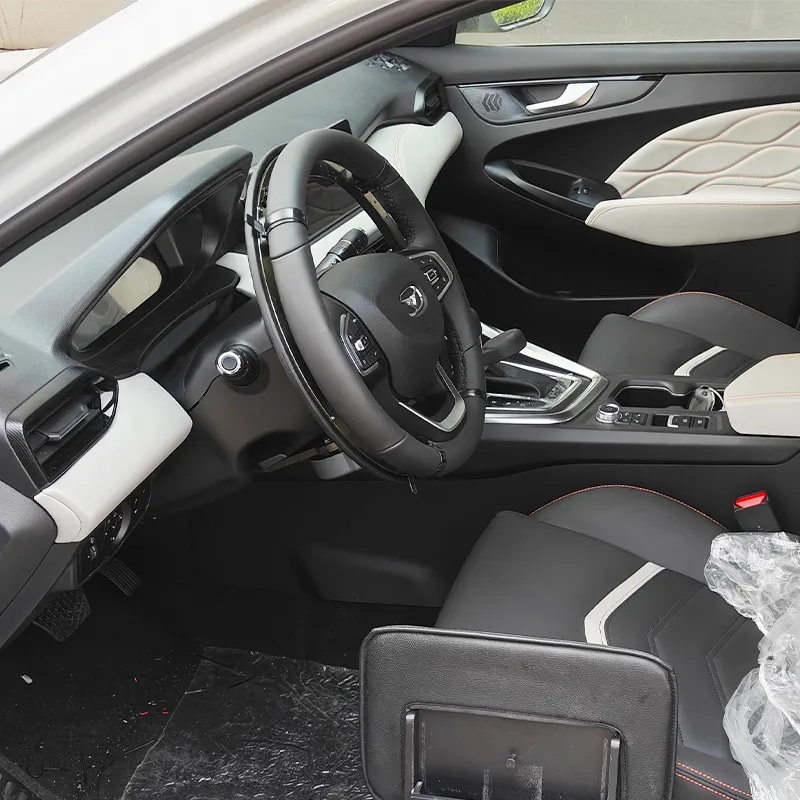
Rotating transfer seats extend outward and lower to bridge the gap between wheelchair and vehicle, enhancing safety for users with limited trunk control. However, they require unobstructed door clearance and involve a longer transfer cycle. Integrated swivel bases pivot the seat 90 degrees without extension—enabling faster transfers and conserving interior and exterior space—but demand greater upper-body strength and balance. Selecting between them requires a personalized evaluation of physical capacity, vehicle dimensions, and whether safety, speed, or spatial efficiency is the top priority.
Pedal Adaptations and Orthotic Driving Aids: Customizing the Pedal Interface
For many drivers with limited lower-limb function, a standard pedal layout is not operable. Custom pedal interfaces and orthotic driving aids bridge the gap—ensuring safe, comfortable control without relying on hand controls. The most common modifications include:
- Pedal Extensions: Bring pedals closer to the driver, reducing hip and knee strain—especially valuable for individuals of short stature or with limited leg reach.
- Left-Foot Accelerators: Relocate the accelerator to the left side, enabling drivers with right-side weakness to accelerate with their left foot while retaining use of the original brake or adding a left-foot brake.
- Pedal Guards: Simple physical barriers that prevent inadvertent contact with the wrong pedal—particularly helpful for drivers with spasticity or involuntary movements.
- Orthotic Driving Aids: Custom-fabricated footplates or braces that secure the foot on the pedal, providing stability and preventing slippage—especially beneficial for those with weak dorsiflexion.
These modifications are often bolt-on or integrated into a full driving system and must be professionally assessed to match the driver’s medical and functional profile. According to adaptive driving specialists, left-foot accelerators and pedal extensions are the most prevalent modifications, addressing the most common lower-limb impairments. Proper installation and comprehensive training are essential: pedal misapplication contributes to over 16,000 crashes annually in the U.S. (NHTSA, 2022).
FAQ Section
1. What are the main types of hand controls for driving?
Hand controls can be divided into mechanical and electronic systems. Mechanical systems involve physical linkages, while electronic controls rely on sensors and actuators for smoother responses.
2. How do I choose between mechanical and electronic hand controls?
The choice depends on factors like upper-body strength, endurance, and coordination. Drivers with stable strength may prefer mechanical controls, while those with neuromuscular conditions often benefit from electronic systems.
3. What are the common handle configurations for hand controls?
Push/rock, push/pull, and push/rotate are the main configurations, each suited for specific hand functions and driving preferences.
4. What steering aids are available for drivers with upper-body impairments?
Options include spinner knobs, joysticks, and gas rings, which cater to different levels of grip strength, range of motion, and coordination.
5. How do physical assessments inform the selection of adaptive driving aids?
Grip strength and dexterity assessments help identify the most suitable controls, ensuring safe and comfortable driving experiences.
6. What are the common modifications for drivers with lower-limb impairments?
Pedal extensions, left-foot accelerators, pedal guards, and orthotic driving aids are common customizations to accommodate various impairments.
Table of Contents
- Hand Controls: Adaptive Solutions for Lower Limb Impairments
- Steering and Acceleration Aids: Enhancing Control Without Foot Reliance
- Vehicle Access and Transfer Aids: Supporting Independence from Wheelchair to Driver Seat
- Pedal Adaptations and Orthotic Driving Aids: Customizing the Pedal Interface
-
FAQ Section
- 1. What are the main types of hand controls for driving?
- 2. How do I choose between mechanical and electronic hand controls?
- 3. What are the common handle configurations for hand controls?
- 4. What steering aids are available for drivers with upper-body impairments?
- 5. How do physical assessments inform the selection of adaptive driving aids?
- 6. What are the common modifications for drivers with lower-limb impairments?