EN
EN

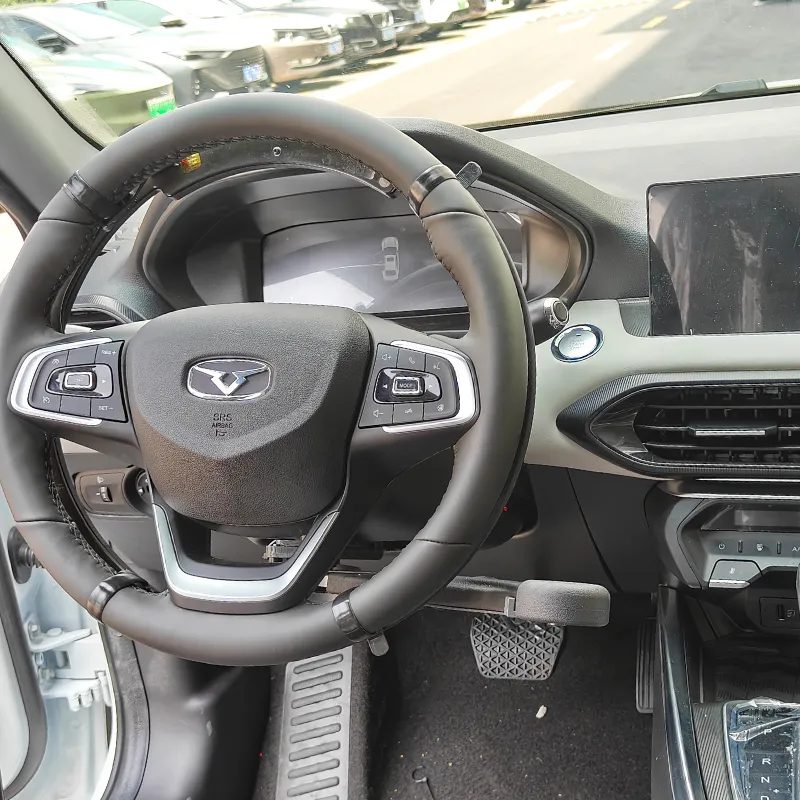
Understanding Your Functional Needs Before Selecting Driving Aids
Mapping Physical Abilities to Core Driving Tasks: Braking, Steering, and Reaction Time
Selecting the right driving aids starts with a clear-eyed assessment of how your current physical abilities align with the three fundamental tasks of driving: braking, steering, and reacting. Grip strength, range of motion, and limb coordination directly influence whether you can safely operate standard pedals and a steering wheel. For example, a driver with reduced lower-limb strength may need hand controls that transfer braking and acceleration to the upper body. A 2021 study by the National Highway Traffic Safety Administration (NHTSA) found that reaction time deficits can add over 20 feet of stopping distance at highway speeds—highlighting the critical need for aids that compensate for delayed responses. Similarly, limited shoulder rotation or grip weakness often calls for spinner knobs or reduced-effort steering systems. The goal is to bridge the gap between your functional baseline and the demands of the vehicle, ensuring that every movement—from pressing a pedal to turning the wheel—remains controlled and predictable. By mapping these abilities to specific tasks, you can zero in on driving aids that restore capability without introducing new risks.
Evaluating Real-World Driving Contexts: Commute Distance, Vehicle Type, and Daily Routes
Physical capacity is only half the equation; the environment you drive in shapes which driving aids will truly serve you. A short, predictable route to the grocery store may require minimal adaptation, while a 45-minute highway commute demands aids that minimize fatigue, such as electronic accelerator rings or brake levers with ergonomic grips. The type of vehicle also matters: a compact sedan offers less cabin space for transfer aids or postural supports, whereas a full-size van might accommodate a wheelchair lift and swivel seating. Daily routes with steep inclines, frequent stops, or heavy traffic amplify the need for aids that deliver quick, precise inputs—hand controls with short-throw levers, for instance, improve responsiveness in stop-and-go conditions. By honestly evaluating where, how often, and how far you drive, you can avoid over-adapting a vehicle for occasional use or under-adapting one that must handle rigorous daily demands. This contextual review ensures the chosen driving aids align with real-world stressors—not just clinical measures.
Getting a Professional Evaluation for Accurate Driving Aids Matching
Why Occupational Therapy and Driver Rehabilitation Are Essential First Steps
A professional evaluation steers the selection of driving aids toward solutions that match your specific physical and cognitive profile. Occupational therapists (OTs) and driver rehabilitation specialists (DRS) analyze how strength, range of motion, coordination, and reaction time influence braking, steering, and decision-making behind the wheel. Without this clinical insight, well-intentioned equipment choices can create new safety risks or remain unused because they fail to align with real-world capabilities. A DRS-led assessment typically includes a clinical exam, vision screening, medical history review, and a hands-on trial of adaptive controls in a controlled setting. The result is a personalized prescription specifying which driving aids—such as hand controls, left-foot accelerators, or reduced-effort steering—are necessary and safe. This process also prevents premature vehicle purchases that may later prove incompatible with required modifications, saving both time and expense.
What Standardized On-Road Assessments Reveal About Adaptive Equipment Needs
On-road evaluations translate clinical findings into actionable equipment recommendations. A trained evaluator rides along to observe how you manage traffic, lane changes, and intersections using temporary or simulated driving aids. These sessions reveal subtle deficits—like delayed braking with a hand control or difficulty scanning blind spots with a steering knob—that static tests might miss. According to the Association for Driver Rehabilitation Specialists, a successful on-road trial with the recommended equipment is a prerequisite before permanent installation, ensuring the driving aids feel intuitive and support safe driving habits. Feedback from the assessment often refines the initial prescription, adjusting the type, placement, or sensitivity of controls. Ultimately, the road test confirms that the chosen driving aids compensate for functional gaps without overloading the driver—creating a balanced, safe driving environment tailored to your daily routes and vehicle type.
Matching Driving Aids to Functional Gaps: Types, Functions, and Use Cases
Hand Controls, Steering Aids, and Pedal Modifications for Upper-Limb Limitations
Driving aids for upper-limb limitations adapt the vehicle’s primary controls to compensate for reduced strength, range of motion, or amputation. Push-pull hand controls replace foot pedals for the accelerator and brake, allowing one-hand operation while the other steers. Steering aids like spinner knobs or tri-pin grips enable secure, single-hand turning with minimal effort. For drivers who retain some leg function, pedal modifications—such as pedal extensions, left-foot accelerators, or pedal guards—ensure safe operation without leg crossover. These devices are often prescribed after a thorough evaluation by a driver rehabilitation specialist, who matches the equipment to the exact functional gap. The goal is to restore the driver’s ability to brake, accelerate, and steer with precision—without introducing unnecessary complexity or fatigue.
Entry/Exit Assistance and Postural Support Devices for Mobility and Stability Needs
Assistive driving aids for mobility and stability address the physical challenges of getting into, out of, and staying positioned in the vehicle. Swivel seats and transfer boards reduce the effort and risk of injury during entry and exit, while grab bars and straps provide leverage points. Once seated, postural supports—such as lateral trunk supports, chest harnesses, and modified seat belts—maintain a stable, upright driving position essential for reaching controls and scanning the road. These devices are particularly beneficial for drivers with limited trunk control, balance disorders, or progressive weakness.
Optimizing Driving Aids for Environmental and Operational Safety
Modern driving aids must extend beyond basic mechanical compensation to address the full operating environment. Integrating sensor-based safety systems—such as forward collision warning, lane departure alerts, and adaptive cruise control—can directly reduce risk. One study found that forward collision warning alone cuts rear-end crashes by 27% (NHTSA, 2023). These technologies work by continuously monitoring the vehicle’s surroundings and providing real-time alerts or automatic interventions, effectively compensating for delayed reaction times or limited visibility. Operational safety also depends on how well the aids interface with the vehicle’s electronic architecture. A poorly calibrated hand control or mismatched pedal extension can interfere with factory-installed emergency braking or stability control—undermining the very safety nets they are meant to support. For optimal protection, the selection and installation of driving aids should be treated as a system-level upgrade, not a collection of isolated gadgets. Proper integration ensures that every component—from a spinner knob to a proximity sensor—functions in harmony, reducing the cognitive load on the driver and maintaining fail-safe protocols even in adverse weather or busy traffic.
FAQs About Selecting Driving Aids
1. Why is it important to assess physical abilities before choosing driving aids?
Assessing your physical abilities ensures that the adaptive equipment compensates for your specific limitations without introducing new risks. This process helps identify the right tools to bridge functional gaps effectively.
2. How can real-world driving contexts impact the choice of driving aids?
Your commute distance, vehicle type, and daily driving environment dictate which aids will provide optimum functionality and safety. For instance, aids for frequent stop-and-go traffic differ from those meant for long highway drives.
3. Why is professional evaluation necessary in selecting driving aids?
Professionals like occupational therapists and driver rehabilitation specialists offer clinical insights that ensure adaptive equipment aligns with your physical and cognitive profile, preventing mismatched solutions.
4. What is involved in standardized on-road assessments?
These assessments involve testing temporary or simulated driving aids on the road to identify shortcomings or refine prescriptions, ensuring the driver feels comfortable and safe with the equipment.
5. Can driving aids improve overall vehicle safety?
Yes, especially when integrated with sensor-based systems like forward collision warnings or adaptive cruise controls. Such aids used cohesively ensure optimal safety and reduce the driver’s cognitive load.
Table of Contents
- Understanding Your Functional Needs Before Selecting Driving Aids
- Getting a Professional Evaluation for Accurate Driving Aids Matching
- Matching Driving Aids to Functional Gaps: Types, Functions, and Use Cases
- Optimizing Driving Aids for Environmental and Operational Safety
-
FAQs About Selecting Driving Aids
- 1. Why is it important to assess physical abilities before choosing driving aids?
- 2. How can real-world driving contexts impact the choice of driving aids?
- 3. Why is professional evaluation necessary in selecting driving aids?
- 4. What is involved in standardized on-road assessments?
- 5. Can driving aids improve overall vehicle safety?