EN
EN

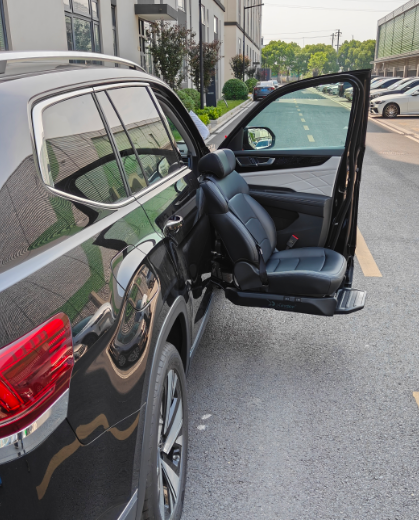
Quomodo Architectura Vehicle Determinat Compatibilitatem Sedilis Transferri Currus
Geometria soli, integritas superficiei fixationis, et spatium liberum arcus transferri per classem vehicle
Dispositio pavimenti intra vehicula multum variat, prout de genere vehiculi agitur. Sedania saepe habent curvatas areas pedum, sed minivani optant spatia omnino plana, ut nihil impediat. Ubi haec diversa formae desinunt magni momenti est, cum sedes transferendae pro rotis adhibentur. Plurima camionettae robusta loca adfixionis circa columnas habitaculi habent, quae in plurimis automobilis parvis sub tapis et materiis ornatus non inveniuntur. Spatium liberum ad transferendum inter sedes etiam magnam differentiam facit. Minivani saepe circa 120 gradus liberi motus praebent, sed domini SUV necessitant partes rotantes speciales propter altiores pavimentos et spatii capitis limitatum. Secundum normas apparatus mobilis, ad transfertum tutum necessaria est latitudo lateralis saltem duodecim digitorum. Hoc autem in multis sedaniis communibus fieri non potest, nisi homines paratos sint ut consolae centrales evellant aut tabulas ostiorum reordinent.
Cur sedilia ad transfertum automobilium 'unius magnitudinis ad omnes' in omnibus automobilibus, minivannis, SUV, camionibus et vanis pro rotis volvendis deficiunt
Cum universale apparatus pro mobilitate in variis vehiculis installatur, saepe utrumque — incolumitatem et praestantiam — minuit. Cabinae camionum plerumque gradus altos habent, qui ad transfertum hominum in rotis sedentibus valde ineptos reddunt, superfluum onus imponentes partibus superioribus corporis. Vehicula pro rotis sedentibus omnia exigunt ut rampae et sedilium carragines exacte congruant. Inadecta apparatus ad coniungendum vere carcerem vehiculi subter laedere possunt. Studium ex «Mobility Equipment Journal» anno 2023 editum quidquam terribile quoque ostendit: fere unum ex octo sedilibus post installationem sedilium extraneorum damnum solum fecerunt. Et si ad NHTSA relationem de retroactionibus ad accessibilitatem anno praeterito spectamus? Sedilia normalia in SUV testata sunt, at tres ex quinque generibus in experimentis collisionis non successerunt, quia ancorae non sufficiens profunditatem habebant. Omnes istae difficultates ad unam veritatem simplicem ducunt: bona solutiones pro mobilitate speciatim pro singulis vehiculorum generibus designatae esse debent, non tantum ea quae fortuito facile conveniunt.
Difficultates Aptationis in Mundi Reali per Plataformam Vehiculi
Minivani et Vani Magni: Aequilibratio Ambitus Rotationis, Ancoragii ad Pavimentum, et Largitatis Interstitii
Minivani et magni illi pleni vani intus spatium abundantem habent, quod nonnunquam admodum bonos ambitus rotatorios permittit, interdum etiam prope 270 gradus in quibusdam modis. Sed ad obtinendum firmum ancoramentum in pavimento sicurum opus est gravissimum refortificatio, quoniam hae vehicula omnes laterales vires sustinere debent, cum quispiam se convertit. Secundum recentem relationem NHTSA anni 2023 de adaptationibus ad facilitatem accessus, qui inter sedem et rotam manualem transire conantur, reales difficultates experiuntur, si interstitium angustius est quam viginti octo pollices. Haec praesertim ardua fit in iis vanis modificatis plenis, ubi homines diversum pavimentum inserebant, quod omnem pristinam congruentiam mutat. Fabricatores automobilium difficili electione premuntur, utrum satis spatii dandum sit ad commodam conversionem an ut res firmiter structuratae manerent. Experimenta cum vere mobilibus instrumentis etiam resultata mirabilia ostenderunt: incrementum ambitus rotatorii quindecim pro centum fere stabilitatem ancoramenti minuit vices duos pro centum secundum ea quae usque nunc in industria vidimus.
SUV et camiones: altitudo cursus elevata et spatium crurale sub sedili diminutum quae motum transferendi tutum impediunt
Altior claritas terrae, quae in plurimis SUV et camionibus invenitur, revera quaedam gravissima problemata securitatis creat cum ad transfertionem in vehiculum et e vehiculo fit. Cum vehicula super 22 pollices a terra consistunt, homines angulos multo acutiores ascendere debent, quod, secundum datos Instituti Securitatis Mobilis ex anno praeterito, probabilitatem cadendi augent circa tertiam partem comparato ad ingressum in minivan. Alterum problema ex angusto spatio sub sedili oritur. Multi camiones cum cabina pro tripulanti habent minus quam 10 pollices inter pavimentum et inferiorem sedilis partem, quod rotationem recte faciendam pertransfertionem valde difficulter reddit. Hoc significat sedilia specialia pro transfertione necessaria esse cum additis proprietatibus, ut machinae elevantes incorporatae, quae tres ad quinque secunda addunt singulis vicibus cum quis transire conatur. Haec etiam sedilia firmissimos montes postulant, quoniam structurae camionum aliter flectuntur quam aliarum vehiculorum generum.
Automobilia compacta et sedania: limitationes structurales pro sedilibus transferendis rotantibus
Automobilia compacta difficultates unicas praebent quoad installationem sedilium transferentium rotantium propter limites structurales sui designis. Plurimae autem carinae unibody simpliciter non habent puncta sufficiens fortificationis ad aptam sedilis fixationem, quare installatores saepe in locis columnarum B confidunt, quae in circiter quattuor ex decem sedilibus tantum valent, ut recentes relationes NHTSA de accessibilitate anno 2023 ostendunt. Difficultates spatii liberi sunt aliud magnum obstaculum, quod paene octo ex decem conatibus installationis afficit, ubi via rotationis in interruptores fenestrarum incidunt aut a parvis tectis portarum impeditur. Cum haec adfectationes retroactivae denique succedunt, saepissime adhiberi necesse est adaptatores speciales, qui ambitum rotandi ad minus quam dimidium circuli integri minuant, ita ut translatio fere 40 % diutius durat quam in vehiculis magnis recte constructis. Haec limitatio illustrat cur multae solutiones mobilis adhuc praefirant vehicula maiora, licet crescat postulatio optionum compactarum atque accessibilium.
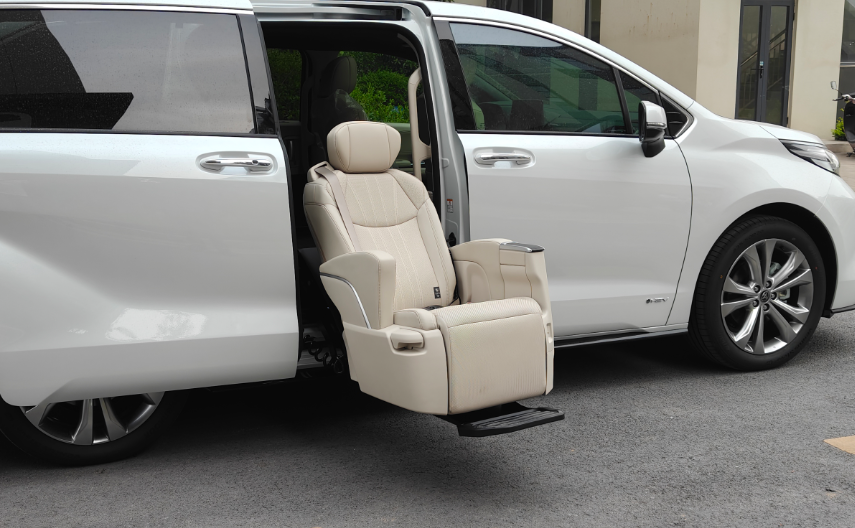
Compatibilitas Specifica pro Fabricante Originale: Quae GM, Ford, Toyota, et Honda Revelant de Integratione Sedilis Transferendarum Automobilium
Conversiones Basatae in Chassis (GM/Ford) versus Solutiones Fabricae Integritae: Implicationes pro Durabilitate et Garantia
Cum vehicula GM et Ford ad usum in sedia rotatoria mutantur, multi domini optant mutationes chassidis quae includunt incisionem in pavimentis fabricae ut sedes transferentiae aptentur. Huiusmodi retrofittationes vere debilitant structuram vehiculi ubi maxime fortis esse debet. Investigatio de automobilibus accessibilibus indicat quod post has mutationes querelae de garantiis augentur fere 35% comparatione ad modulos originales. Optio pro optionibus ab officina installatis omnia secundum specificata originalia designis conservat. Id significat meliorem protectionem adversus rubiginem, servat illos importantes scores examinum collisionis, et integram garatiam fabricantis servat. Vehicula quae non sunt immutata etiam proficiunt ex hardware standardi fixationis. Absentia vibrationum superfluarum auxiliatur ut partes diutius durare possint. Plures mechanici cuiquam qui interrogaverit dicent quod vehicula originalia bene curata tendunt ad manere viabilia in via annos a quattuor usque ad septem ultra quam eiusdem generis mutata.
Toyota Sienna et Honda Odyssey: puncta montagii et systemata rutilarum fabricatoris originalis, quae installationem sedilis transferendae in vehiculum perfacilem reddunt
Toyota Sienna et Honda Odyssey veniunt cum punctis ancorae specialiter designatis, quae installationem sedilium transferendarum pro vehiculis multo faciliorem reddunt. Systema integratum Isofix per rales permittit valde praecisam alignmentem, ita ut nullae fiant foramina in vehiculo, quod tempus installationis paene duabus tertiis minuit comparatione ad vetustiores methodos. Pro his vehiculis, quae non innituntur fragilibus coniunctionibus post-mercatus, sunt viae oneris destinatae quae vires transferendas directe per substructuras suas refortes dirigunt, quod omnem rem multo stabiliorem reddit dum movetur. Quod maxime mirabile est, est quod hae coniunctiones a fabrica factae permittunt functionem totam rotandi sine ullis difficultatibus spatii. Praeterea, quia easdem formas geometricas normales sequuntur, omnia componentia inter se secure operantur per diversos annos modellorem. Hoc ostendit quantum meliores sint platformae ad hoc speciatim constructae, tam ad tutelam hominum quam ad vitam curantium simpliciorem reddendam.
Index Contentorum
- Quomodo Architectura Vehicle Determinat Compatibilitatem Sedilis Transferri Currus
-
Difficultates Aptationis in Mundi Reali per Plataformam Vehiculi
- Minivani et Vani Magni: Aequilibratio Ambitus Rotationis, Ancoragii ad Pavimentum, et Largitatis Interstitii
- SUV et camiones: altitudo cursus elevata et spatium crurale sub sedili diminutum quae motum transferendi tutum impediunt
- Automobilia compacta et sedania: limitationes structurales pro sedilibus transferendis rotantibus
- Compatibilitas Specifica pro Fabricante Originale: Quae GM, Ford, Toyota, et Honda Revelant de Integratione Sedilis Transferendarum Automobilium